Intro
This R2049 Structural Reconstruction examines blurred interface visibility, overlapping digital perception, informational ghosting, unstable recognition systems, fragmented interface environments, cognitive overload, operational perception failure, simultaneous interface states, visual ambiguity, and post-coherent digital environments.
Observation
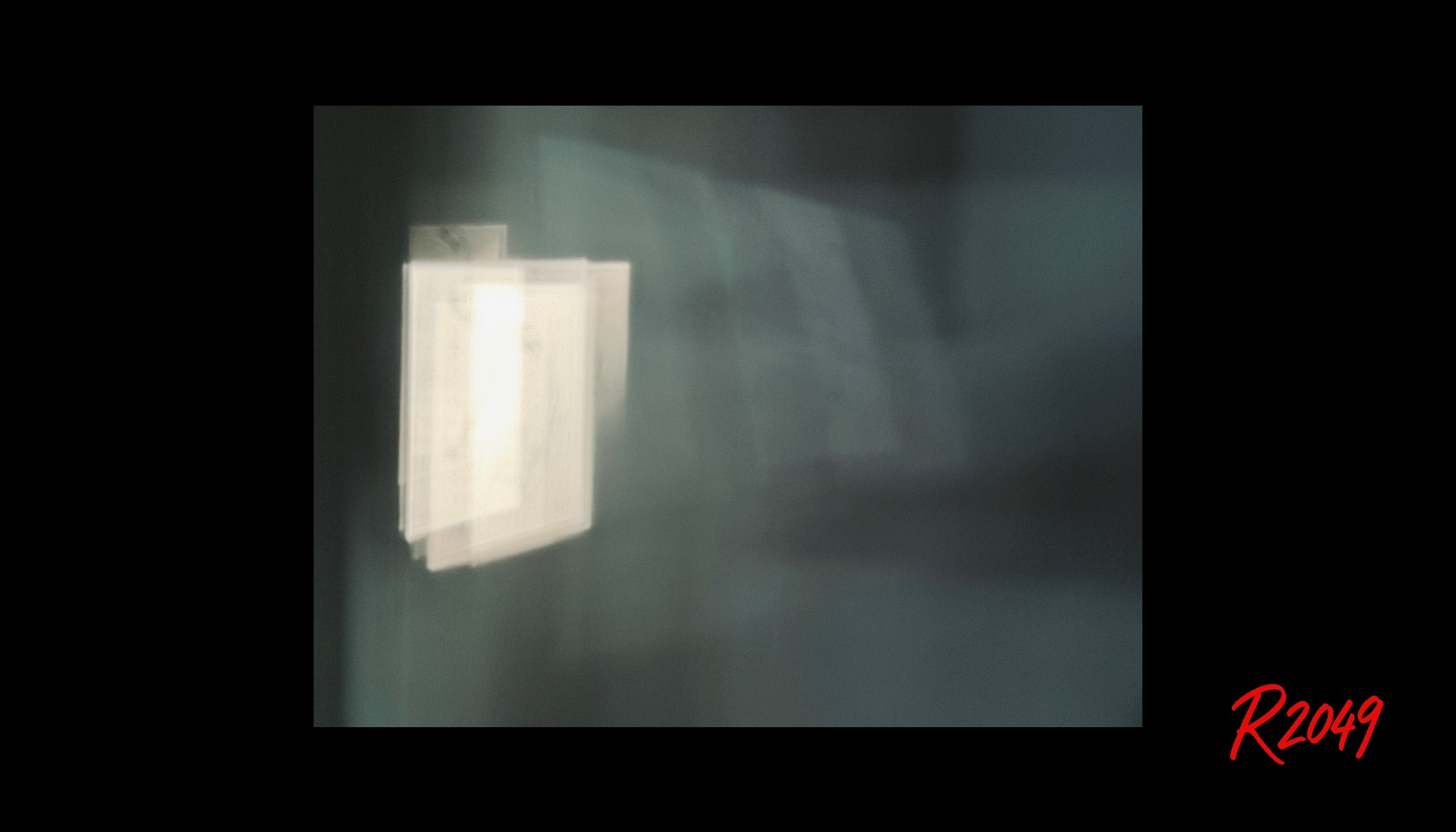
A luminous rectangular surface appears suspended inside darkness.
The object resembles:
- a display,
- a window,
- or a fragmented interface layer.
Its edges remain partially identifiable.
Its structure does not.
The image appears duplicated,
slightly displaced,
as if multiple versions of the same visual signal coexist simultaneously.
No stable focus emerges.
The surrounding environment dissolves into diffuse shadow gradients.
The surface emits visibility,
yet prevents orientation.
The image no longer communicates information clearly.
It documents interference between perception and structure.
Reconstruction
Earlier visual systems were designed to produce clarity.
Interfaces attempted:
- sharpness,
- precision,
- recognisable hierarchy.
But increasing system density altered the function of visibility itself.
As informational environments accelerated,
stable perception became operationally secondary.
Users no longer interacted with single coherent interfaces.
They interacted with overlapping states:
- notifications,
- tabs,
- layers,
- mirrored contexts,
- simultaneous decision surfaces.
The result was not absence of information.
It was informational ghosting.
A condition in which multiple valid realities remained active at once.
The blurred duplication visible in the image reflects this transition.
The interface remains technically present.
Its interpretability collapses.
Structural Reading
The image reconstructs a late-stage condition of operational environments:
Visibility survived.
Orientation degraded.
Systems increasingly produced:
- permanent accessibility,
- permanent illumination,
- permanent connectivity.
But not stable cognitive positioning.
Humans learned to remain exposed to information continuously
without fully resolving what they were seeing.
Perception became probabilistic.
Recognition became unstable.
The visual duplication inside the frame documents more than optical blur.
It reconstructs a civilisation entering simultaneous interface existence,
where no single layer remains authoritative long enough
to stabilise understanding.
The surface still emits light.
But structural certainty has already disappeared.