
What it’s all about
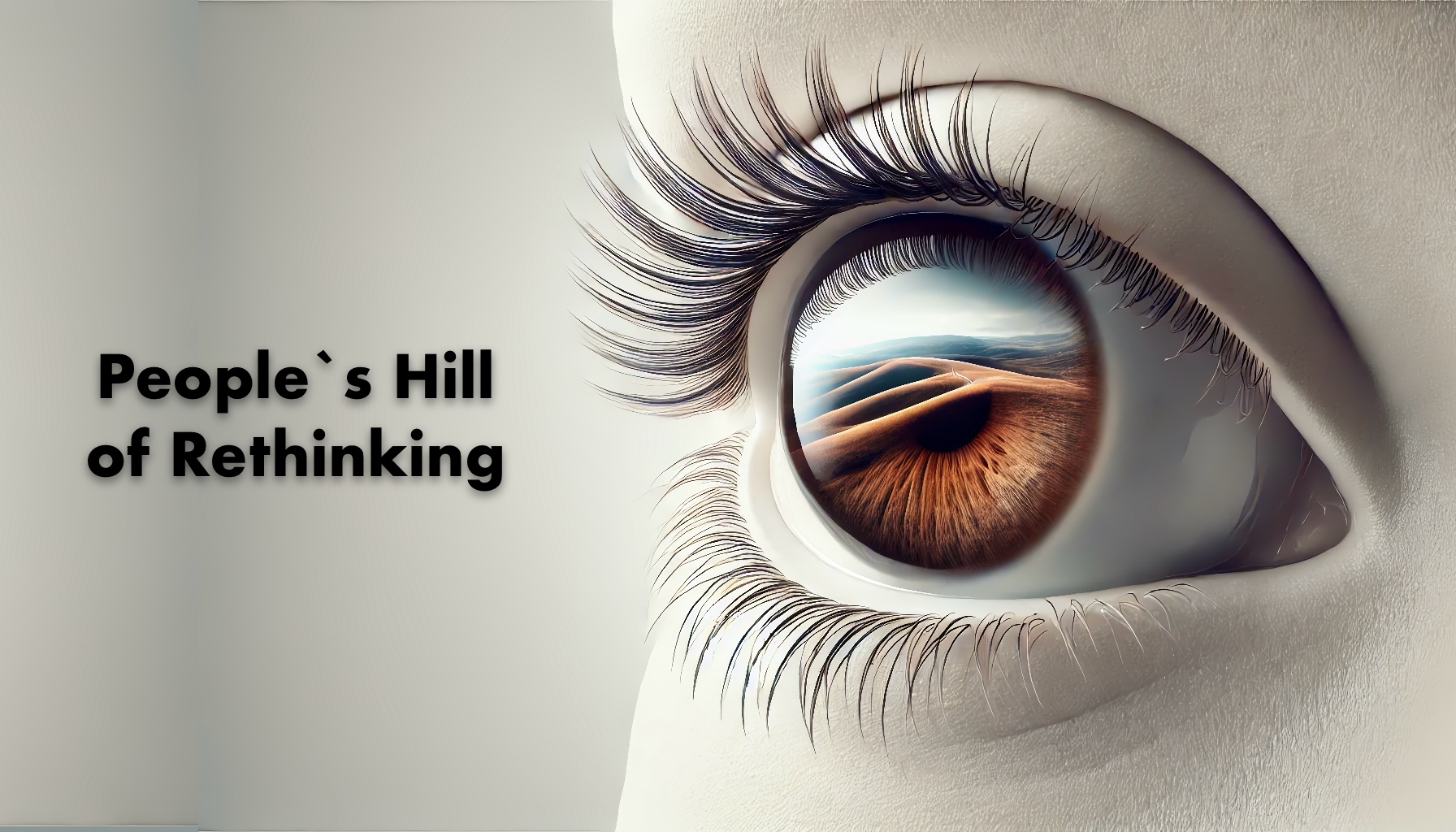
The cover picture, a moody sunset, invites us to reflect on transitions, which carry deep significance not only in nature but also in our lives and work. The softly fading colours, the dissolution of light as it prepares the sky for the approaching darkness, symbolise the necessity of conscious change, of letting go and renewal – central aspects of self-management. This metaphor provides us with a window into the realm of Rethinking, the active re-evaluation of habits, patterns, and structures that hold us back in both personal and professional contexts.
The Philosophy of Transition: Letting Go as a Source of Strength
Throughout our lives, we inevitably develop patterns of thinking and behaviour that offer us security and guidance. Yet, these familiar mechanisms can, over time, become burdensome. Just as the sun sets each evening to make way for the night, we too must be able to shed old, unproductive patterns to make room for the new. In this context, Rethinking not only means analysing past habits but also actively and consciously letting them go, in order to realign ourselves. The sunbeams breaking through the image remind us that even in the transition of letting go, there is still light and clarity – a clarity that helps us take the next step.
In self-management, this transition is crucial: we must part with superfluous tasks, entrenched approaches, and mental blocks to create space for fresh ideas and new perspectives. This conscious act of letting go is not merely an intellectual exercise but also an emotional process, often accompanied by a certain mourning for what has passed. Yet, just as the sunset paves the way for a new day, so too does letting go enable us to embark on a new, more efficient way of living and working.
Rethinking in Everyday Life: Conscious Pausing and Reflecting
An often overlooked aspect of self-management is the conscious act of pausing. The image of the sunset invites us to appreciate this moment of calm and contemplation before the darkness falls. In our hectic daily lives, we tend to push forward continuously, without ever stopping to reflect. Yet, Rethinking demands precisely this moment of stillness: a deliberate stepping back to assess our current situation objectively before planning the next step.
One method that can prove useful here is the practice of daily reflection: at the end of each day or workweek, take the time to review your actions and decisions. Which tasks truly advanced your goals? Which behaviour patterns led to stress or frustration? This targeted reflection enables us to break away from ineffective strategies and make space for new, productive approaches.
Your Rethinking Implementation Tip
To concretely integrate the metaphor of the sunset into your daily life, consider the following exercise: Plan a conscious “transition moment” in your day, during which you actively release the stress or challenges of the day and create space for new ideas and energy.
This could take place, for example, after lunch or before the end of the workday. Sit quietly for five minutes in a calm setting and close your eyes. Visualise how you consciously let go of the day’s efforts and burdens – much like the sunset withdrawing its light – and prepare yourself for the next moment, which offers new possibilities. This mindful transition allows you to gain mental clarity and continue the day or work with a fresh perspective.
Conclusion
The sunset, as a metaphor for letting go and renewal, offers us profound insights into the principles of self-management. Only by consciously pausing, reflecting, and shedding old patterns can we create the space needed for growth and new ideas. The transition represented by each sunset reminds us that every ending heralds the beginning of something new – an invitation to regularly question our thinking and face the challenges of life with fresh eyes. The Rethinking approach, of incorporating mindful transition moments into our day, not only fosters clarity and calm but also opens the door to more creative and productive ways of living and working.
Note
We use the assistance of artificial intelligence to increase the structural readability of our texts, to optimise content for users, for the quality management of formal aspects and to generate attractive, context-appropriate images. In addition, AI helps us to analyse reader feedback, adapt to trends and continuously improve our content in order to always offer you the best possible reading experience.
 R2049
R2049 