
A Rethinking Impulse by Klaus-Dieter Thill
What It’s About
The image displayed here presents a sculpture, one that exudes a sense of grace and introspection, standing quietly, enveloped by a tranquillity that resonates with inner depth and calm. Draped with a scarf, it seems cloaked in an aura of silence, standing vulnerable yet authentic. Amidst the natural surroundings, this figure doesn’t appear as an isolated presence but as an invitation to contemplate our own sense of self and the manner in which we perceive and position ourselves in the world.
This sculpture serves as a metaphor for a central concept within self-management and personal development: the practice of pausing. In the frenetic cadence of modern life, the act of pausing is often neglected, yet it remains an invaluable discipline that allows us to hear our inner voice before reacting to external stimuli. It is a deliberate moment to examine our impulses, reflect on our goals, and recall our values. Like an anchor amidst turbulent waves, pausing grants us clarity and direction in both our personal and professional lives, enabling us to make decisions grounded in true intention rather than in unthinking reaction.
A Philosophical Perspective: The Value of Pausing as an Existential Moment
Have you ever wondered why we so often find ourselves immersed in operational details, despite the demands of leadership? For many in positions of authority, the hands-on mentality lies at the core of their professional self-concept, imbuing them with a sense of engagement and influence. In the philosophical sense, this act of pausing is not merely a delay but a conscious encounter with oneself. Socrates’ ancient maxim “Know thyself” echoes here, reminding us of the necessity to reflect on our values and aims rather than blindly following the demands of society or our surroundings.
In this stillness lies the power of authenticity: only those who dare to pause and momentarily disengage from the relentless flow of time can grasp their own essence, free from external projections and expectations. This quietude allows one to orient oneself in the world, making choices that align with one’s innermost being rather than succumbing to the reflexive, automatic responses that the fast-paced world so often elicits.
A Psychological Perspective: Pausing as a Tool for Self-Regulation
Psychologically, the act of pausing enables us to regulate our emotions and impulses. Modern psychology frequently extols the virtues of mindfulness – a conscious awareness that permits us to distance ourselves from automatic responses. The sculpture epitomises this ability for self-observation, representing a posture that refrains from immediate reaction, instead allowing time for introspection before taking action.
Pausing thus serves as a protective mechanism against impulsive responses that might otherwise lead to regret or conflict. In that moment of observation, we can discern our emotional state and decide how best to respond, rather than being governed by transient feelings. This capacity for pausing cultivates self-awareness, returning control over our actions and fostering a sense of inner stability. The sculpture becomes, in this sense, a symbol of psychological strength – of self-discipline and inner resilience.
Self-Management Perspective: Pausing as a Strategic Tool
In the realm of self-management, pausing is an indispensable strategy for gaining clarity on one’s goals and priorities. The sculpture reminds us that often, it is the moments of stillness that yield the most profound insights and inspiration. For individuals who must make daily decisions and manage their time efficiently, pausing offers a chance to reassess one’s path. It is a tool that allows us to channel our energies effectively rather than dissipating them through hasty action.
In the professional sphere, the act of pausing provides a moment of reprieve and mental clarity before making important decisions. It prevents us from reacting blindly to external demands, granting instead an opportunity to listen inwardly and weigh what truly matters. Thus, pausing becomes a foundation of self-leadership, a navigational aid amid the multitude of tasks and responsibilities that demand our attention.
Rethinking Implementation Tips for Your Daily Life
Personal Sphere
Set aside a few minutes each day for a conscious pause – a moment of stillness free from the distractions of mobile phones or other external stimuli. Close your eyes and allow your thoughts to settle. Imagine yourself as the sculpture – still, grounded, and undisturbed by external forces. This simple exercise fosters inner calm and helps you refocus on what is essential.
Professional Sphere
Before entering a meeting or engaging in an important conversation, take two minutes to pause and focus on your intentions. Ask yourself: “What is my purpose in this conversation, and how can I achieve it with authenticity?” This deliberate act of pausing helps to prevent impulsive reactions and creates a space for clarity and conviction in your communication.
Conclusion: The Art of Pausing as a Path to Inner Sovereignty
The sculpture, with its silent presence, stands as a potent metaphor for the art of pausing – a practice that enables us to reconnect with ourselves in an ever-accelerating world. Within the pause lies a source of clarity and contemplation that allows us to make choices in alignment with our values, consciously shaping both our lives and our work. The rethinking of pausing invites us to discover the power of silence, to harness the rhythm of life not solely through action, but through reflection as well. In this way, we ascend the hill of self-leadership, gaining a vantage point from which to perceive our path with a new lucidity, and moving forward with purpose, resilience, and lasting fulfilment.
Note
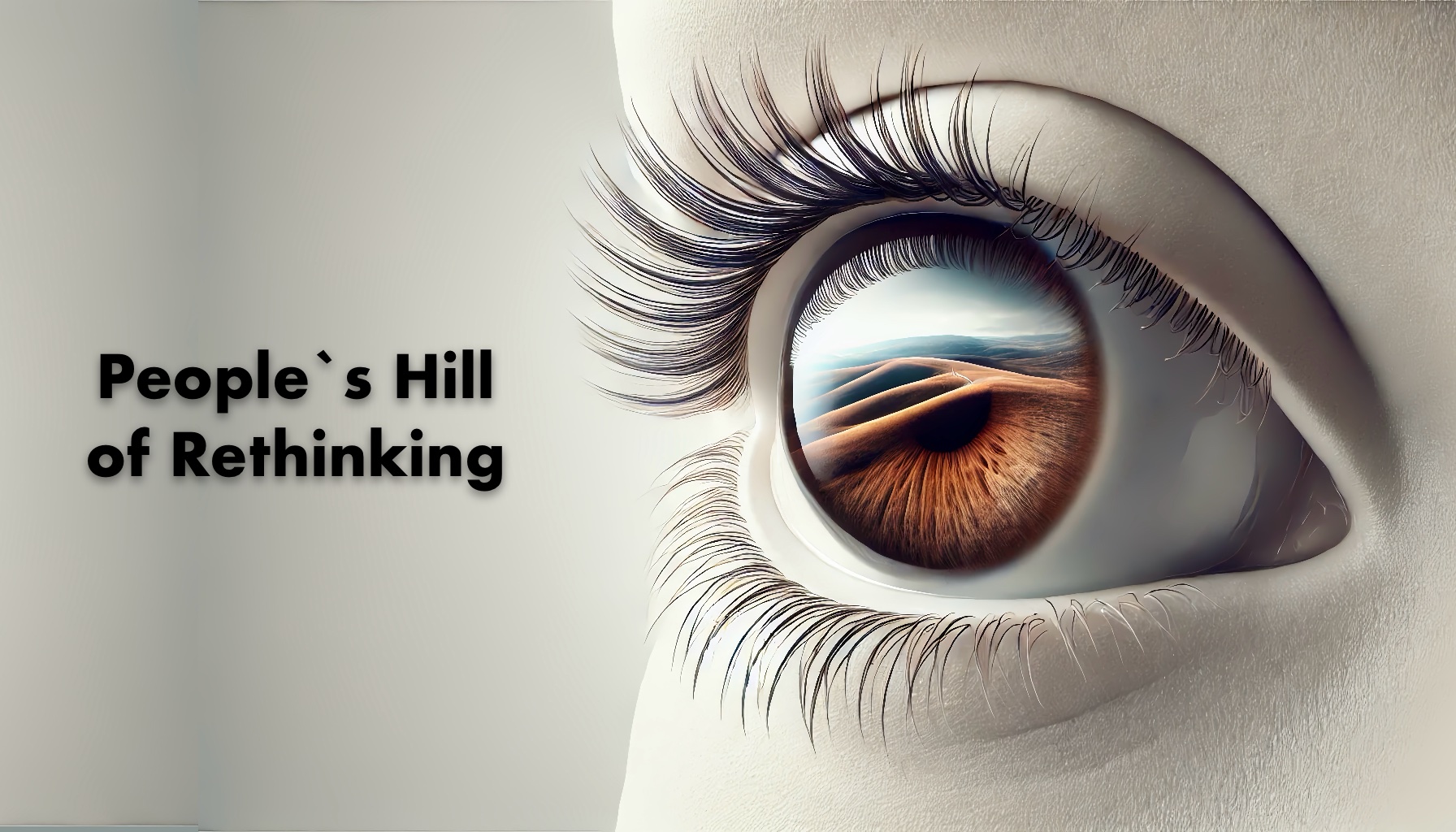
Note: We use artificial intelligence to enhance the structural readability of our texts, optimise content for users, ensure the quality management of formal aspects, and generate attractive, context-appropriate images as well as audio versions of our articles (podcasts). Additionally, AI helps us analyse reader feedback, respond to trends, and continuously improve our content to provide you with the best possible reading experience.
 R2049
R2049 