This Rethinking Impulse shows how focusing on facts — instead of assumptions and fears — helps you stay rational and in control, even when uncertainty clouds your view.
Category: Leaders Hill
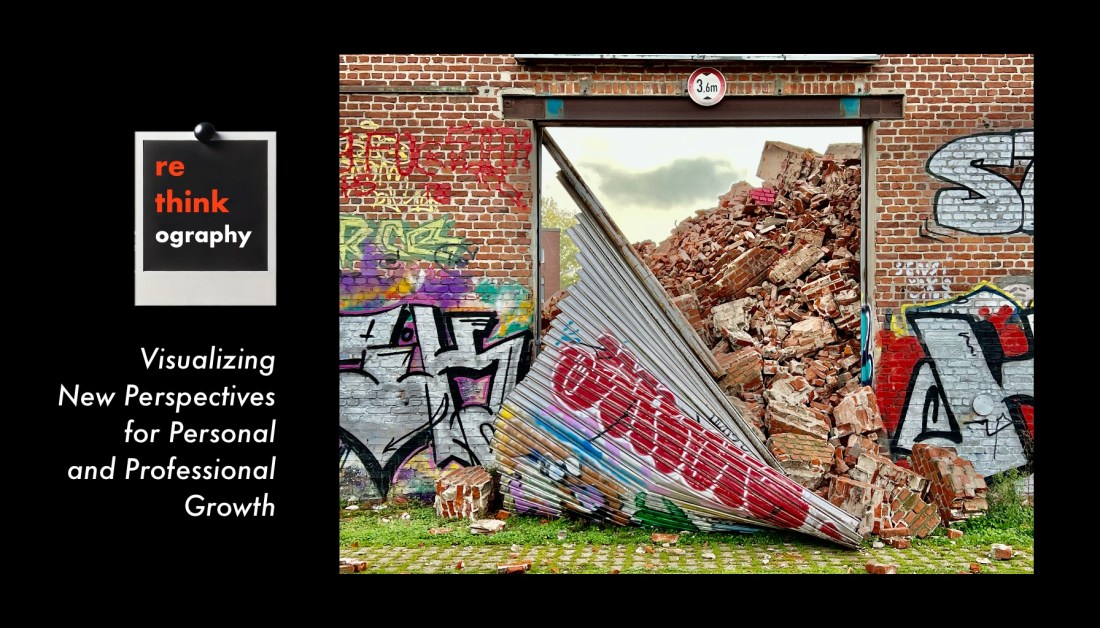
Rethinkography: When Your Mindset Collapses – Rebuild, but Do Not Replicate
„Destruction is just another word for reinvention.“
The Metaphor: Why Ruins Are the Blueprint for Your Breakthrough
Imagine your mindset as a building. Over time, it has been meticulously constructed – its walls fortified with experiences, beliefs, and thought patterns meant to shelter and support you. Yet, there inevitably comes a moment when the structure no longer holds. Perhaps life itself tears down the façade – through crises, unforeseen challenges, or sudden revelations. Or perhaps you sense that your mental construct has grown too restrictive, confining rather than liberating you.
Continue reading “Rethinkography: When Your Mindset Collapses – Rebuild, but Do Not Replicate”
Rethinking: Uncertainty Often Leads to Irrational Behaviour – How Focusing on Facts Restores Your Mental Clarity
„Facts calm the mind — assumptions fuel the storm.“
Introduction & Context – Why This Topic is So Crucial
Uncertainty ranks among the most profound psychological stressors of contemporary life. Whether in personal affairs or professional environments, the moment the outcome of a situation becomes unclear, many individuals succumb to impulsive, emotionally charged responses. Decisions are made in haste, control is asserted inappropriately, or the mind becomes ensnared in endless loops of rumination.
RethinkingAcademy: AQAL – Why Modern Leaders Must Rediscover the Quadrants of Thinking
This Rethinking Impulse reveals why mastering Ken Wilber’s AQAL model is not academic luxury but a survival imperative for leaders, enabling them to navigate complexity with intellectual clarity, psychological depth, and strategic precision.
Rethinkography: The Interplay of Light and Shadow in Self-Management – Liberating Yourself from Inner Rigidity
„“Every shadow is but an unasked light. Inquire what it wishes to reveal.”
The Metaphor: Shadows and Light as a Reflection of Self-Leadership
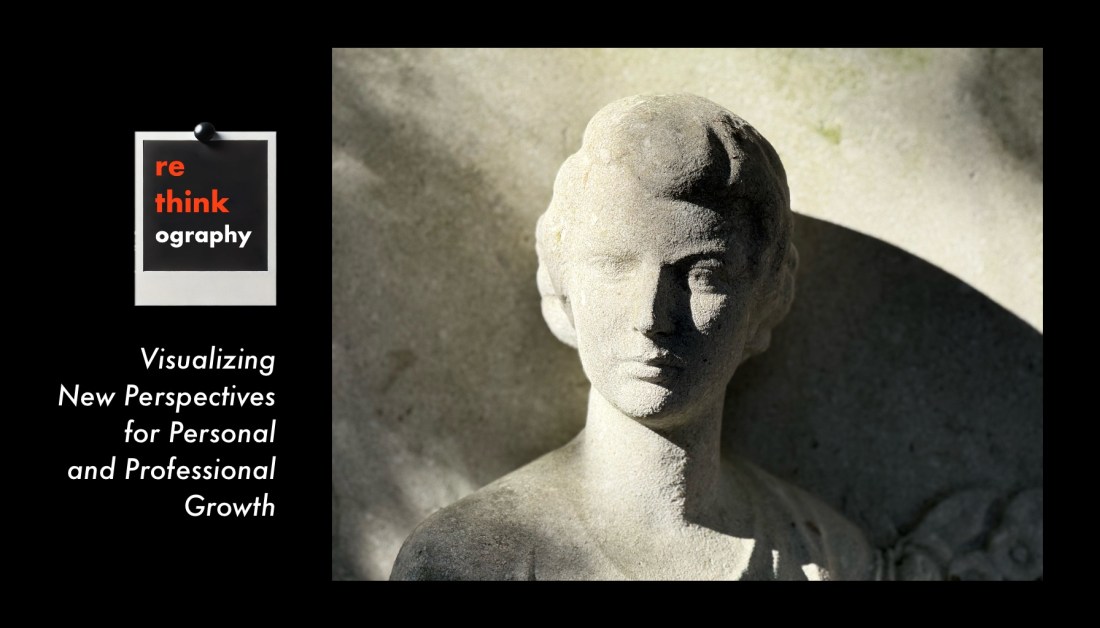
The cover image of a stone bust, partially veiled in shadow while bathed in light, serves as a profound metaphor for self-management. The sculpture itself embodies permanence, yet also immobility – a state in which many individuals find themselves, both in their personal and professional lives. The shadow represents the limitations imposed by unconscious thought patterns, fears, and self-doubt. Light, conversely, symbolises awareness, liberation from these constraints, and the step towards a conscious, self-determined existence.
Rethinking: AQAL – Why Modern Leaders Must Rediscover the Quadrants of Thinking
„Quadrant thinking unlocks leadership brilliance.“
Continue reading “Rethinking: AQAL – Why Modern Leaders Must Rediscover the Quadrants of Thinking”
MindPeek: Test Your Confidence!
Topic
Mastering Self-Confidence – Your Gateway to Stronger Self-Leadership
RethinkingAcademy: Change Often Means Loss – But Also Gain
This Rethinking Impulse reminds us that every change, no matter how unsettling, creates space for new opportunities and personal growth – if we shift our focus from loss to potential.
Rethinking: Change Often Means Loss – But Also Gain
„Adaptability turns uncertainty into opportunity.“
Introduction & Context: Why This Topic Matters So Profoundly
Change rarely arrives as a welcome guest. More often than not, its first impression is loss – the dissolution of something familiar, the disappearance of a sense of security. This holds true across domains, whether in professional contexts – such as organizational restructuring, career transitions, or the abandonment of well-worn processes – or in the private realm, when relationships end, homes are left behind, or long-standing routines are disrupted.
Continue reading “Rethinking: Change Often Means Loss – But Also Gain”
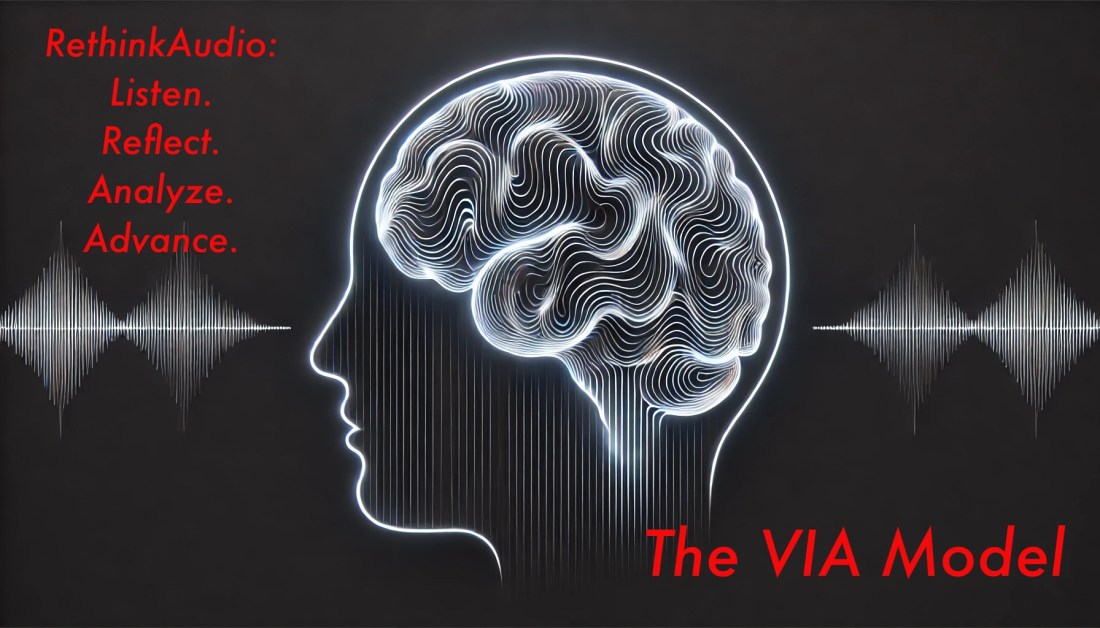
RethinkingAcademy: The VIA Model – Why Leaders Must Redefine the Meaning of Virtue in Action
This Rethinking Impulse invites leaders to fundamentally rethink the VIA model, recognising character strengths not as decorative ideals, but as essential drivers of authentic leadership, psychological resilience, and sustainable team culture in the face of modern leadership challenges.