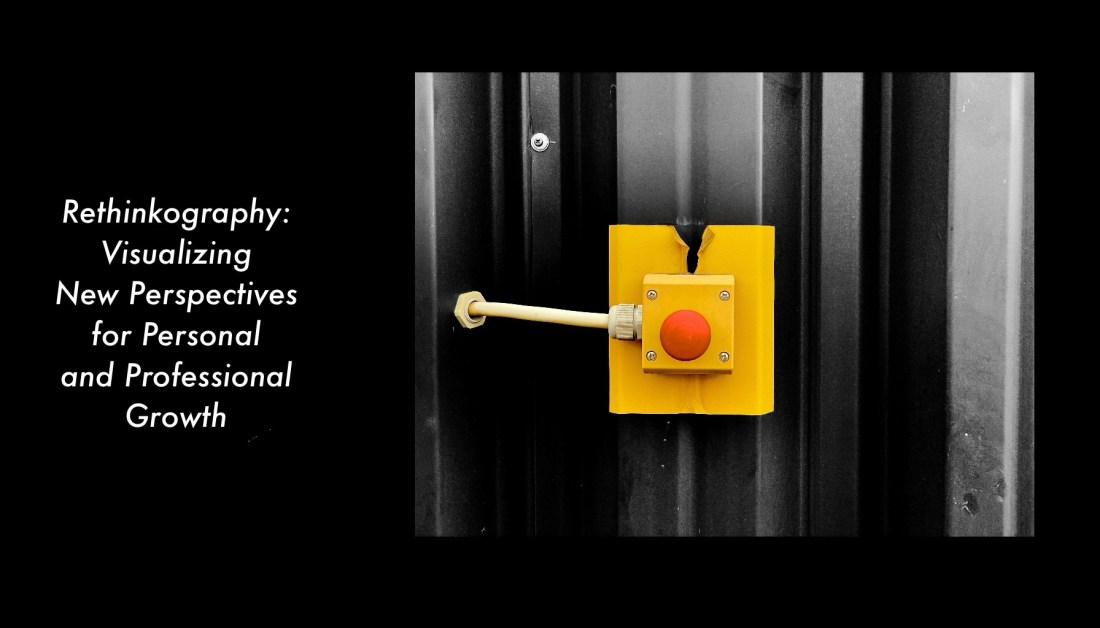
The Metaphor: The Emergency Stop Button and Self-Management
The image of the emergency stop button on the metallic façade of a factory is far more than a utilitarian mechanism for halting industrial processes. It symbolises a profound concept in self-management: the ability to pause deliberately in order to interrupt destructive thought patterns, harmful routines, and counterproductive behaviours before they lead to greater damage. This metaphor directly addresses the domain of mental self-regulation, a cornerstone of effective self-management in both personal and professional realms.
This Rethinking Impulse explores how maieutic leadership empowers teams through dialogue, trust, and collective intelligence, transforming traditional leadership into a collaborative and human-centric approach..
A Rethinking Impulse by Klaus-Dieter Thill from Leaders Hill: „Healthy Leadership – Sustainable Results through Mental, Organisational, and Social Balance.“ Leaders Hill is part of „The Hill of Rethinking“, a knowledge sharing platform that empowers individuals to shape their present and future while offering leaders tools for personal and professional growth.
The Rethinking Impulse as a RethinkAudio – Listen. Reflect. Analyze. Advance.
Misconceptions, Misinterpretations, and Toxic Mindsets Surrounding Maieutics
Maieutics is often misunderstood. Many leaders dismiss it as an outdated, inefficient method unfit for today’s fast-paced professional environment. Others mistake it for manipulative questioning techniques designed to subtly steer team members toward predetermined conclusions. Some even view it as a sign of weakness, perceiving the leader’s reliance on this approach as undermining the archetype of the decisive, autonomous decision-maker. These misconceptions foster toxic mindsets, such as the relentless pursuit of absolute control, the fear of losing authority, and the devaluation of team members as mere executors of tasks. Such attitudes not only hinder the effective application of maieutics but also obstruct the evolution of a productive, collaborative leadership style.
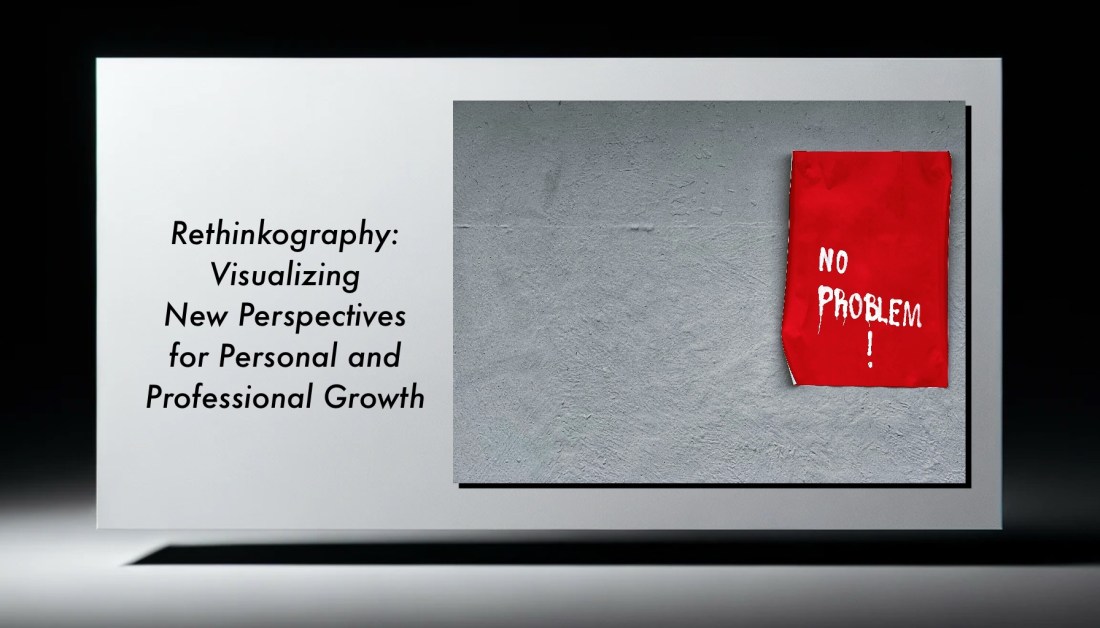
The Metaphor: “No Problem!” as a Key to Self-Mastery
The cover image of the red poster bearing the white inscription “No Problem!” may, at first glance, seem like a trivial phrase, but upon closer examination, it unveils a profound dimension. This striking statement encapsulates the tension between resignation and the will to shape one’s reality within the realm of self-management. “No Problem!” can either signify apathy or represent a conscious decision to approach challenges with composure and determination.
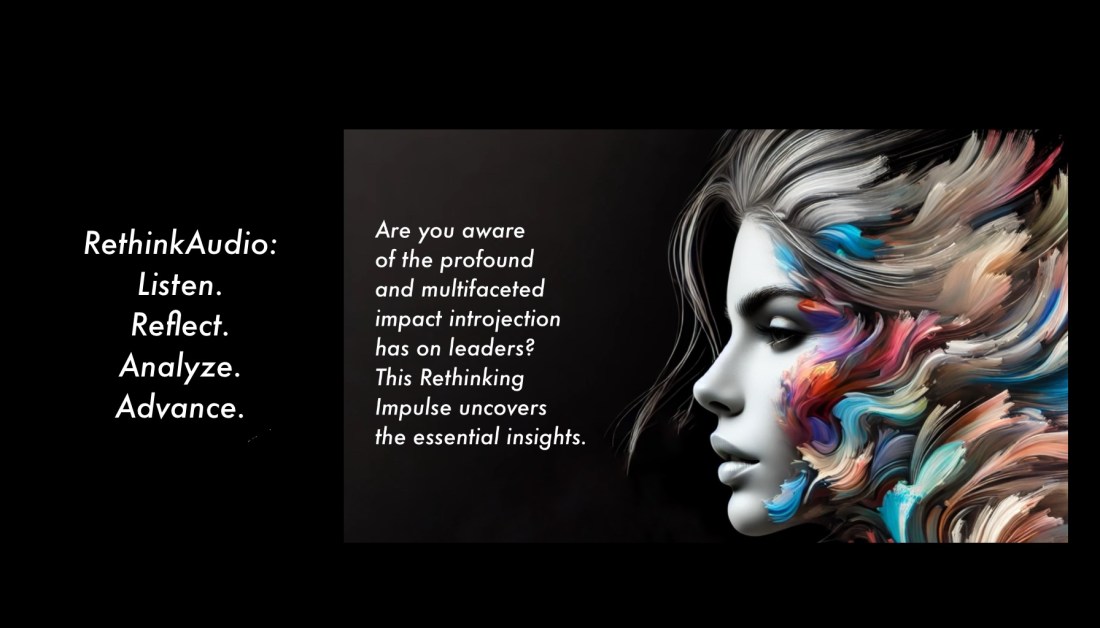
This Rethinking Impulse explores how the psychoanalytic principle of introjection influences leaders’ decision-making, authenticity, and interpersonal dynamics, highlighting both its constructive potential and long-term psychological risks.
A Rethinking Impulse by Klaus-Dieter Thill from Leaders Hill: „Healthy Leadership – Sustainable Results through Mental, Organisational, and Social Balance.“ Leaders Hill is part of „The Hill of Rethinking“, a knowledge sharing platform that empowers individuals to shape their present and future while offering leaders tools for personal and professional growth.
The Rethinking Impulse as a RethinkAudio – Listen. Reflect. Analyze. Advance.
What it’s all about
The principle of introjection, a concept rooted in the depths of psychoanalytic theory, exerts profound influence on the psyche and behaviour of individuals. For leaders, who occupy pivotal roles in shaping and guiding organisations, the mechanisms of introjection can yield both constructive and deleterious consequences. This article explores the multifaceted impact of introjection on leadership, illuminating how psychological processes influence decision-making, self-perception, and interpersonal dynamics.
This Rethinking Impulse explores how “managing up” and “upward influence” empower employees to shape leadership decisions, offering insights into organizational dynamics, self-management, and the future of work in a digitalized world..
A Rethinking Impulse by Klaus-Dieter Thill from Leaders Hill: “Healthy Leadership – Sustainable Results through Mental, Organisational, and Social Balance.” Leaders Hill is part of “The Hill of Rethinking,” a knowledge-sharing platform that empowers individuals to shape their present and future while offering leaders tools for personal and professional growth.
The Rethinking Impulse as a RethinkAudio – Listen. Reflect. Analyze. Advance.
What It’s All About
In the world of leadership and management, the concepts of “managing up” and “upward influence” – terms that describe the intentional efforts employees make to shape their superiors’ behavior, guide decisions, and ultimately influence the strategic direction of the entire organization – are gaining increasing attention. These phenomena are both intriguing and multifaceted, offering valuable insights not only from an organizational perspective but also through philosophical and psychological lenses.
A Rethinking Impulse by Klaus-Dieter Thill, originating from the Base Hill section „Empowering Your Life for Lasting Fulfilment“. Base Hill is part of „The Hill of Rethinking“, a knowledge sharing platform that enables individuals to shape their present and future.
The Metaphor: The Rusted Container in the Context of Self-Management
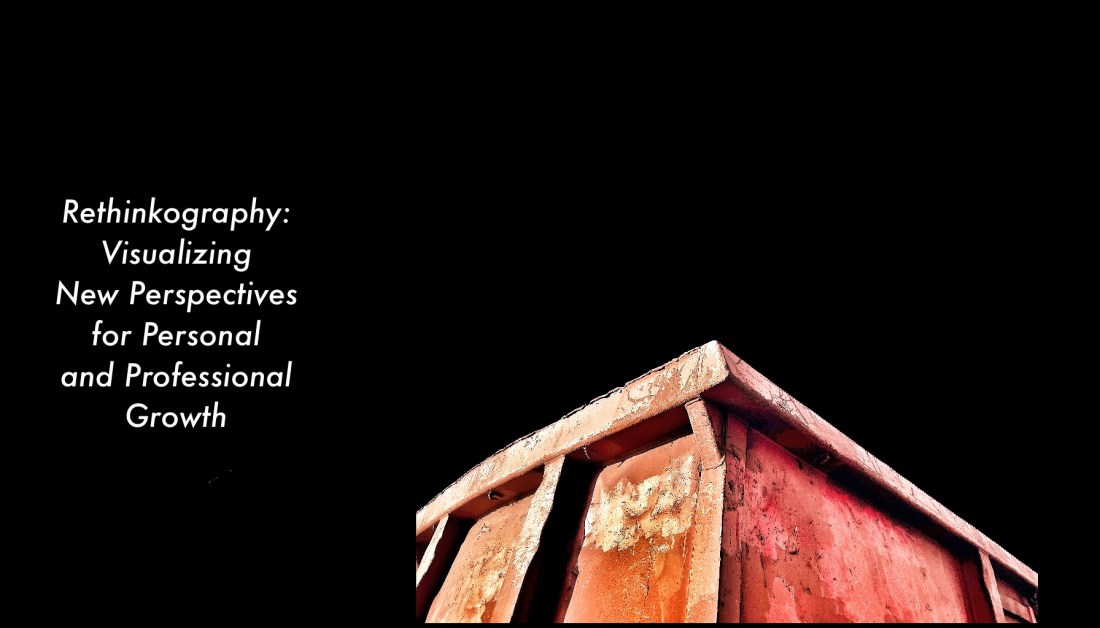
The image of the rusted container, weathered by time and external forces, serves as a compelling metaphor for the burdens we accumulate throughout our lives. This container represents the mental and emotional “repository” in which we indiscriminately store experiences, beliefs, and concerns. Over time, not only useful content but also corroded remnants – manifesting as toxic mindsets, limiting beliefs, and unresolved wounds – become embedded within. This metaphor speaks directly to the realm of mental and emotional decluttering, an essential practice for fostering clarity, agency, and growth in self-management.
This Rethinking Impulse explores how redefining performance as a holistic, ethical, and sustainable concept can empower leaders to achieve personal excellence while fostering collective growth within their teams..



 R2049
R2049 