Rethinkography: The Interplay of Light and Shadow in Self-Management – Liberating Yourself from Inner Rigidity

„“Every shadow is but an unasked light. Inquire what it wishes to reveal.”

The Metaphor: Shadows and Light as a Reflection of Self-Leadership

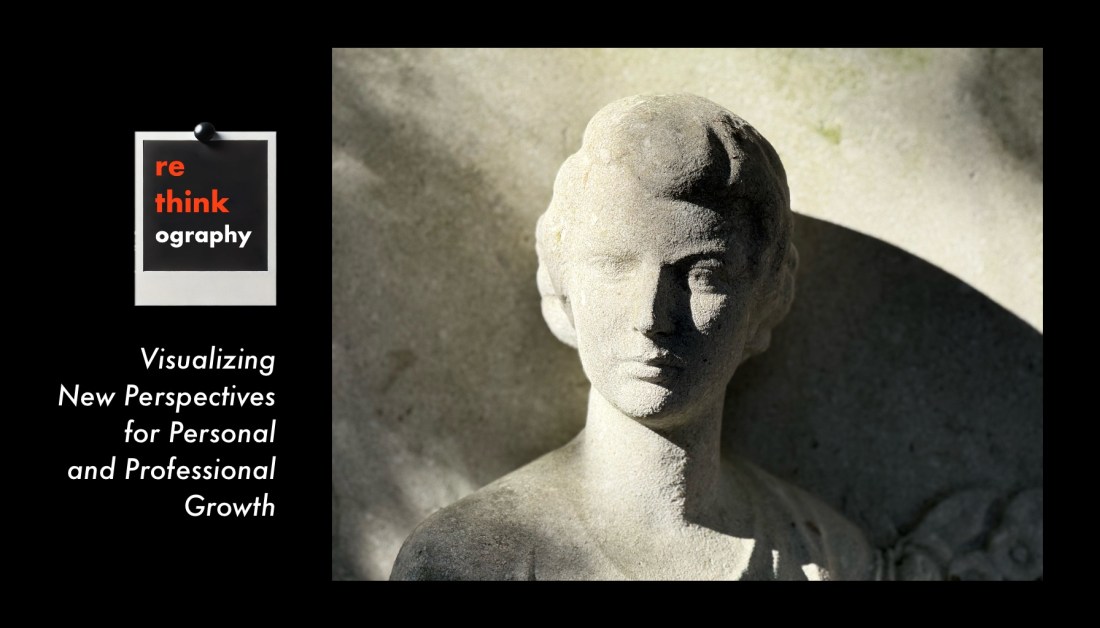
The cover image of a stone bust, partially veiled in shadow while bathed in light, serves as a profound metaphor for self-management. The sculpture itself embodies permanence, yet also immobility – a state in which many individuals find themselves, both in their personal and professional lives. The shadow represents the limitations imposed by unconscious thought patterns, fears, and self-doubt. Light, conversely, symbolises awareness, liberation from these constraints, and the step towards a conscious, self-determined existence.
Continue reading “Rethinkography: The Interplay of Light and Shadow in Self-Management – Liberating Yourself from Inner Rigidity”

Rethinking Time: Warum Ärzte ihr größtes Kapital verschwenden – und wie du es besser machst

„Zeit ist keine Ressource – sie ist das Ergebnis deiner Entscheidungen.“

Worum es geht

Zeit ist keine Ressource. Sie ist ein Maß für deine Entscheidungen. Jede Sekunde, die du in unstrukturierte Abläufe, erzwungenes Multitasking oder den Perfektionismus-Fetisch investierst, ist eine Sekunde, die du niemals zurückbekommst. Willkommen in der Realität des ärztlichen Zeitmanagements: einem Dschungel aus ineffizienten Routinen, Ablenkungen und ständiger Überforderung. Doch es gibt eine andere Perspektive – eine, die nicht nur deine Produktivität, sondern auch dein Denken transformiert.

Continue reading “Rethinking Time: Warum Ärzte ihr größtes Kapital verschwenden – und wie du es besser machst”

Praxisberatung ohne Rethinking? Warum Dein Erfolg verpufft, bevor er beginnt.

„Nachhaltige Veränderungen des Praxismanagements beginnen im Kopf – nicht mit Tipps und Tricks.“

Worum es geht

Es ist ein bekanntes Muster: Eine Hausarztpraxis oder Facharztpraxis steht vor Herausforderungen – sei es wirtschaftlicher Druck, ineffiziente Abläufe oder ein steigender Patientendurchsatz bei gleichzeitigem Personalmangel. Eine Praxisberatung wird beauftragt. Der Berater analysiert die Abläufe, gibt Empfehlungen, liefert ein Maßnahmenpaket. Für einen kurzen Moment scheint sich etwas zu ändern. Dann kehrt der Alltag zurück – und mit ihm die alten Muster.

Continue reading “Praxisberatung ohne Rethinking? Warum Dein Erfolg verpufft, bevor er beginnt.”

Rethinking: Change Often Means Loss – But Also Gain

„Adaptability turns uncertainty into opportunity.“

The Rethinking Impulse as a RethinkAudio – Listen. Reflect. Analyze. Advance.

Introduction & Context: Why This Topic Matters So Profoundly

Change rarely arrives as a welcome guest. More often than not, its first impression is loss – the dissolution of something familiar, the disappearance of a sense of security. This holds true across domains, whether in professional contexts – such as organizational restructuring, career transitions, or the abandonment of well-worn processes – or in the private realm, when relationships end, homes are left behind, or long-standing routines are disrupted.

Continue reading “Rethinking: Change Often Means Loss – But Also Gain”

Rethinkography: The Rusted Hinge and the Art of Cognitive Agility

„It is not the world that changes – it is the way you adapt to it.”

The Metaphor: Blocked Mechanisms of Self-Management

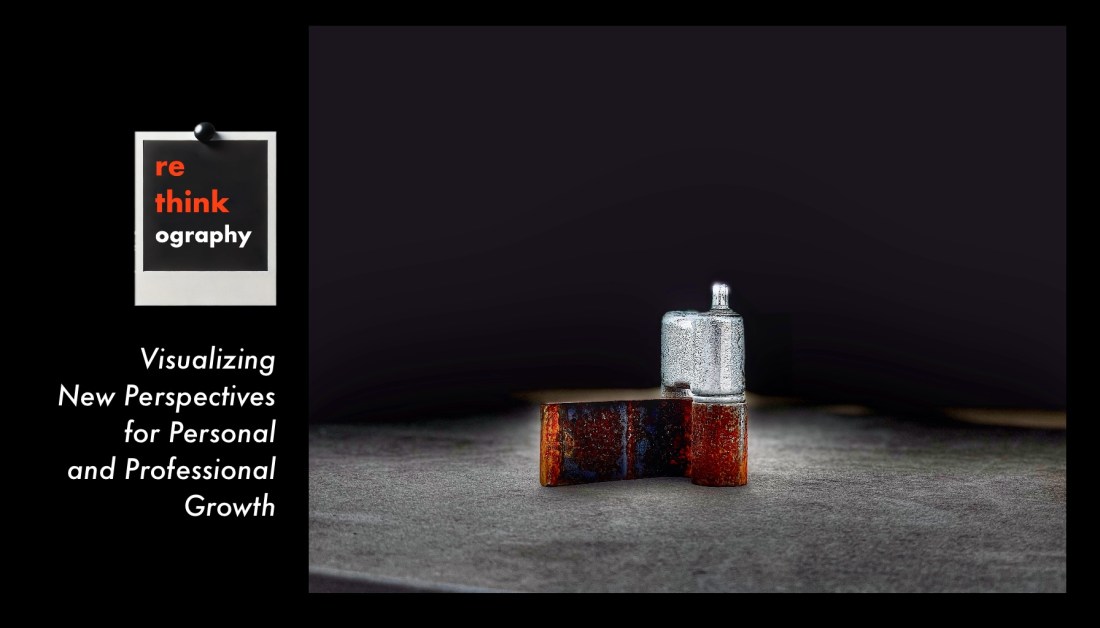
A hinge is a conduit of motion – it enables movement, opens doors, grants access. Yet when it rusts, it loses its function. It stiffens, creaks under strain, or seizes entirely. This rigidity serves as a profound metaphor for self-management: where flexibility and adaptability wane, obstacles arise, stifling progress and obstructing evolution.

Continue reading “Rethinkography: The Rusted Hinge and the Art of Cognitive Agility”

Rethinking: The VIA Model – Why Leaders Must Redefine the Meaning of Virtue in Action

„From Idealism to Leadership Realism.“

The Rethinking Impulse as a RethinkAudio – Listen. Reflect. Analyze. Advance.

What it’s all about

For decades, leadership discourse has been saturated with terminology, models and frameworks, many of which have taken root in the minds of leaders without ever being subjected to deeper scrutiny. Some of these concepts have proven to be of enduring relevance, while others have ossified into unchallenged dogma, entirely detached from the true complexities of leadership and self-governance. The VIA model serves as a prime example of such intellectual drift. Originally conceived as a framework for the cultivation of character strengths, it has in many organisations been reduced to little more than a decorative tool – ensnared in a web of misconceptions, misinterpretations, and toxic mental shortcuts.

Continue reading “Rethinking: The VIA Model – Why Leaders Must Redefine the Meaning of Virtue in Action”

The Customer is King? Why You Must Rethink This Sales Myth to Secure Your Future in the Field

The Crown Has Slipped

Picture this: You’re in a sales meeting. The customer leans back, arms crossed, exuding a quiet but unmistakable challenge: Convince me. You know the drill. You affirm their importance, shower them with special conditions, and reassure them that they will be treated like royalty. Yet, when all is said and done, they thank you politely – only to sign with a competitor.

Continue reading “The Customer is King? Why You Must Rethink This Sales Myth to Secure Your Future in the Field”

Rethinking Future Skills: Many mistake adaptability for a loss of control

„Flexibility is not surrender — it’s strategy.“

The Rethinking Impulse as a RethinkAudio – Listen. Reflect. Analyze. Advance.

Introduction & Context: Why this topic is of critical importance

Adaptability, as a concept, is widely misunderstood. In the minds of many, to adapt is to surrender; to yield to external forces and relinquish all agency. This flawed interpretation is deeply embedded, both in personal life and professional contexts. Those who demonstrate flexibility are all too easily labelled as individuals lacking conviction, or worse, as opportunists who merely bend to the prevailing winds. Beneath this misapprehension lies a profound fear: the fear of losing one’s grip on life. Adaptation is equated with loss of control — a cognitive error with far-reaching consequences.

Continue reading “Rethinking Future Skills: Many mistake adaptability for a loss of control”