💭 Mindshiftion: “The sooner you embrace change, the sooner you can harness its power.”
Continue reading “RethinkDaily: Change is inevitable – but your resistance is not.”
Strukturion of Future Thinking

💭 Mindshiftion: “The sooner you embrace change, the sooner you can harness its power.”
Continue reading “RethinkDaily: Change is inevitable – but your resistance is not.”

„Progress happens slice by slice, not in one giant leap.“
Have you ever felt paralyzed by the magnitude of a decision, overwhelmed by the need to make the “right” choice all at once? It’s a common experience, and one that stems from a collection of widespread but deeply flawed beliefs about decision-making. Many of us have been conditioned to think that effective decision-making means resolving everything in one grand, sweeping gesture. This mindset not only intimidates but often leads to inaction.

„Strength lies in authenticity, not in suppression.“
Have you ever considered that leaders not only bear the responsibility for their teams but also for their own mental well-being? Yet, in the corporate world, the prevailing assumption is that a leader must always be steadfast, energetic, and unwavering. The reality that a senior executive might suffer from dysthymic symptoms – a persistent, mild form of depression – is often overlooked or even taboo.
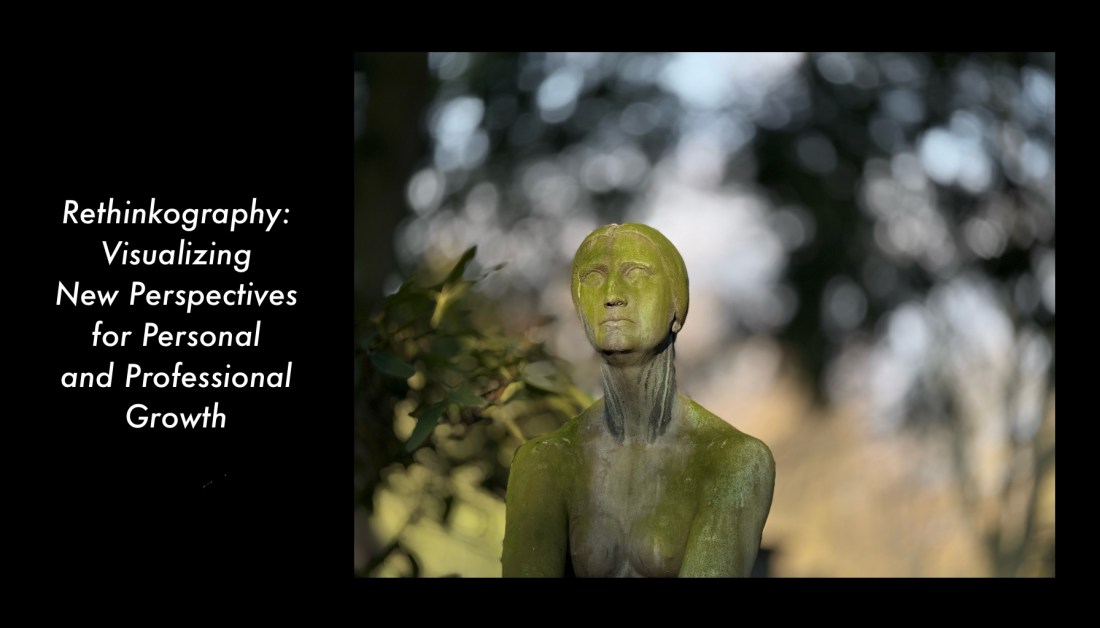
„You are not fixed – you are in motion.“
The picture of the sculpture serves as a powerful metaphor for the way our self-image, mental state, and capacity for change are shaped over time – often not by deliberate choice, but by external influences, past experiences, and societal expectations.
„Management mit medizinischer Präzision“
Niedergelassene Ärztinnen und Ärzte sind wahre Meister der Diagnostik. Sie erfassen Symptome, leiten gezielte Untersuchungen ein, analysieren Befunde und treffen auf dieser Basis fundierte Therapieentscheidungen. Ihre Expertise liegt in der systematischen Identifikation und Behandlung von Defiziten – ein hochpräziser, evidenzbasierter Prozess.
Continue reading “Rethinking des Praxismanagements: Diagnostik statt Externalisierung”
„Confidence grows from clarity.“
The concept of decision-making confidence, though fundamental to navigating life’s complexities, is often misunderstood and misrepresented. Many perceive decision-making as a binary act, a singular choice between right and wrong, success and failure. This simplistic view fosters harmful mindsets that inhibit the development of this critical skill. A common misconception is that confident decision-makers are either naturally gifted or excessively risk-taking, implying that confidence is innate rather than cultivated through experience and reflection. This myth discourages individuals from actively working on their decision-making abilities, resigning them to indecisiveness or fear of judgment.
„Your best years are ahead, not behind.“
The belief that “things were better in the past” is one of the most pervasive yet insidious cognitive distortions. It thrives on nostalgia, selective memory, and a deep-seated yearning for stability in an ever-changing world. While this mindset may offer momentary comfort, it ultimately robs individuals of the ability to engage fully with the present and to shape their future – both personally and professionally.
„Reflect deeply, act strategically.“
The concept of future-oriented thinking often carries the allure of a universal formula for success, satisfaction, and progress. Yet, as promising as the idea may seem, it is frequently overshadowed by misinterpretations and toxic mindsets that obscure its true potential. These misconceptions, both in personal and professional contexts, can lead to stagnation rather than growth. Future-oriented thinking is often mistaken for a purely strategic tool designed solely to achieve goals and overcome challenges. It is reduced to a linear process: drawing a meticulously planned pathway from the present to the future. Such interpretations are frequently tied to counterproductive ideas, such as an obsession with controlling the uncertain, an overwhelming fear of failure, risk aversion, and the belief that one must possess all the answers in advance. This rigidity stifles creativity, narrows possibilities, and erodes resilience.
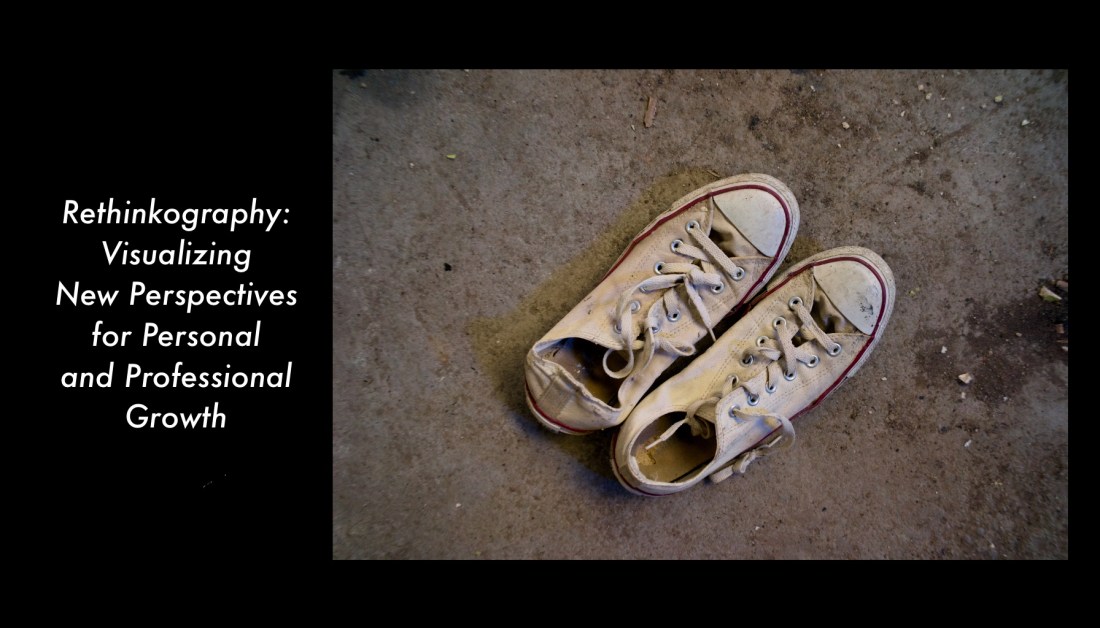
„My past is my foundation, but it is not my boundary. I acknowledge what has been and consciously shape what will be.”
The cover image portrays a pair of old, worn-out canvas shoes – fatigued by the countless journeys they have undertaken. Within the realm of self-management, such shoes serve as a compelling metaphor for lived experiences, ingrained patterns, and past decisions that have inscribed themselves upon our thinking and behaviour over time.
“Confrontation is a bridge, not a battle.
The term “confrontation” often carries a negative connotation, deeply ingrained in societal misconceptions and widespread beliefs. Confrontation is frequently equated with conflict, aggression, or a compulsion to assert one’s own viewpoint. These misunderstandings give rise to toxic mindsets that fail to recognise the potential of constructive confrontation and block its transformative power.
 R2049
R2049 