A Rethinking Impulse by Klaus-Dieter Thill
This Rethinking Impulse challenges leaders to redefine consistency as a dynamic balance between stability and adaptability, empowering teams to innovate, grow, and thrive in an ever-changing world.
Strukturion of Future Thinking
A Rethinking Impulse by Klaus-Dieter Thill
This Rethinking Impulse challenges leaders to redefine consistency as a dynamic balance between stability and adaptability, empowering teams to innovate, grow, and thrive in an ever-changing world.

A Rethinking Impulse by Klaus-Dieter Thill
Consistency – a term that, at first glance, suggests stability, reliability, and continuity – is often misunderstood and misinterpreted. Many leaders fall into the trap of equating consistency with stubbornness, immutability, or clinging to once-successful methods. They confuse stability with rigidity, viewing deviations from established processes as threats rather than opportunities for progress.
This Rethinking Impulse highlights the transformative power of self-discovery as a cornerstone for authentic, resilient, and forward-thinking leadership, advocating a deep alignment of personal values with professional actions.
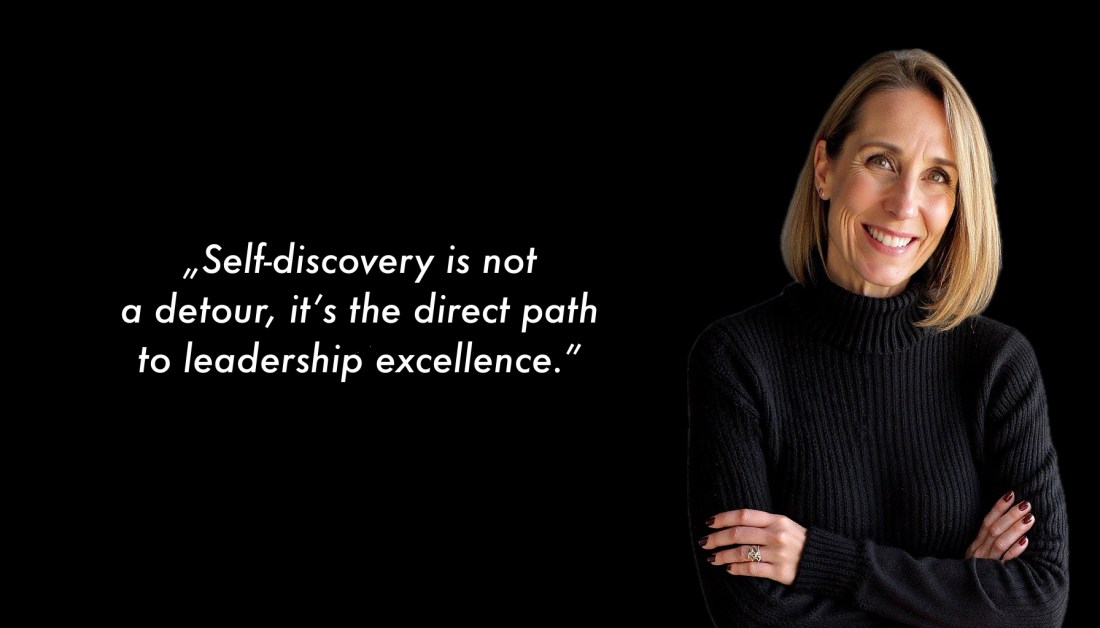
A Rethinking Impulse by Klaus-Dieter Thill
The question of self-discovery within leadership is a topic often marred by misconceptions. Numerous false assumptions, misguided notions, and toxic ideologies dominate the discourse. Leaders are frequently led to believe that self-discovery signals weakness or contradicts effective leadership. Prevailing myths suggest that true leaders must exude unshakable authority, maintaining a strict boundary between their professional and personal selves. There is also a common, yet erroneous, belief that self-discovery is a private matter, irrelevant to professional efficacy, or that it is only necessary during periods of crisis. Such views fail to recognise the pivotal role of self-discovery as an ongoing process, essential not only for personal growth but also for professional excellence.

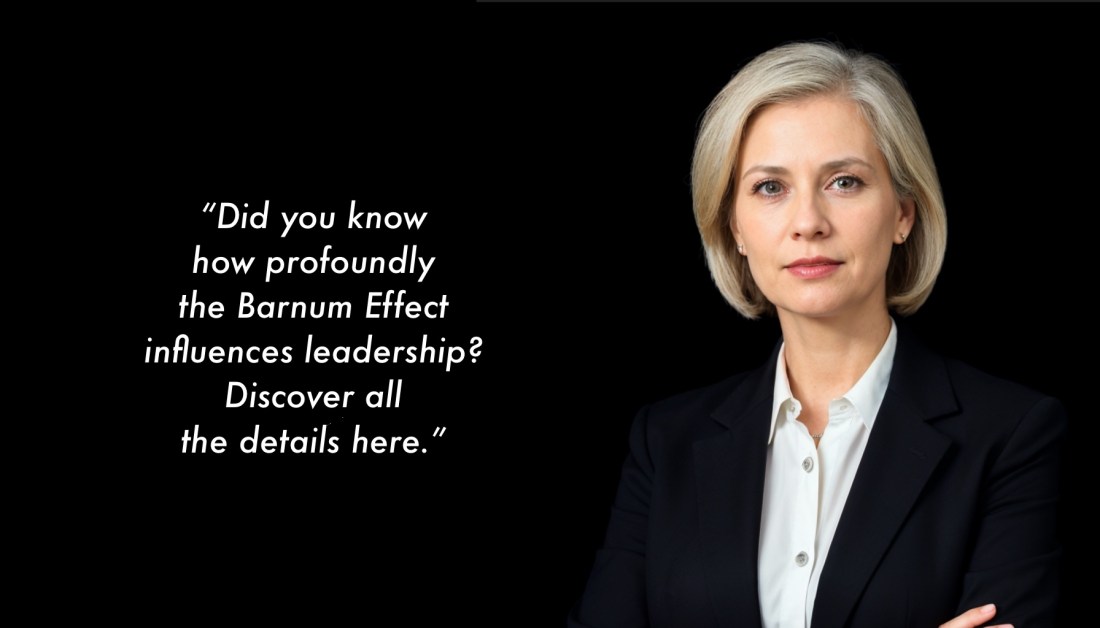
This Rethinking Impulse explores the profound impact of the Barnum Effect on leadership, highlighting the need for authenticity, clarity, and individualised communication to build trust and foster meaningful team dynamics.
“True leadership thrives on authenticity, not illusion.”
The Barnum Effect is often misunderstood or underestimated in the context of leadership. Many leaders dismiss it as a curious anecdote from psychology, irrelevant to their daily responsibilities. Others mistakenly view it as a tool for motivation, using generic statements that could apply to anyone, hoping to inspire their teams. However, this approach undermines authenticity and trust.

„Soft skills: The catalyst for leadership evolution.”
In a professional world defined by rapid technological advancements and profound cultural transformations, the demands on leaders extend far beyond technical expertise. Soft skills those interpersonal and emotional competencies – are pivotal in determining whether a team functions efficiently, resolves conflicts constructively, and achieves long-term objectives. Yet, real-world practice reveals that many leaders exhibit significant deficiencies in this domain. The consequences of such “soft skills dereliction” range from impaired team dynamics and ineffective communication to diminished motivation and overall productivity.
“Serendipity is not mere chance – it is the art of uncovering potential and seizing greatness in the unexpected.”
Serendipity, often described as the art of happy accidents, is frequently misconceived, underestimated, and shrouded in misinterpretations that obscure its profound value. Many perceive it as mere luck, an unearned gift of fate, or even as evidence of inadequate planning. This toxic mindset reduces serendipity to an external, uncontrollable phenomenon, relegating it to the realm of arbitrary occurrences with no systematic relevance to leadership or self-management. Consequently, the erroneous belief arises that only rational strategies, precise planning, and relentless goal pursuit can guarantee success. Such misconceptions blind us to the immense potential serendipity holds for personal growth and team dynamics.
This Rethinking Impulse challenges traditional leadership norms, redefining team dynamics through Conflux Synectives to create synergy, adaptability, and resilience for the future of collaboration.

“Leadership is no longer about control; it’s about orchestrating adaptive synergy.”
In an era marked by digital interconnectivity, cultural multiplicity, and the rapid acceleration of innovation, the nature of teamwork – and the role of those who lead it – is undergoing a profound transformation. No longer tethered to traditional hierarchies or rigid management structures, the teams of tomorrow will require leadership grounded in adaptability, inclusivity, and the ability to harness the full spectrum of human and technological potential. This emerging paradigm, which I term “Conflux Synective”, redefines not only how teams function but also what it means to lead them effectively.
Continue reading “Rethinking Team Leadership: The Dawn of Conflux Synectives (THOR5041)”
 R2049
R2049 