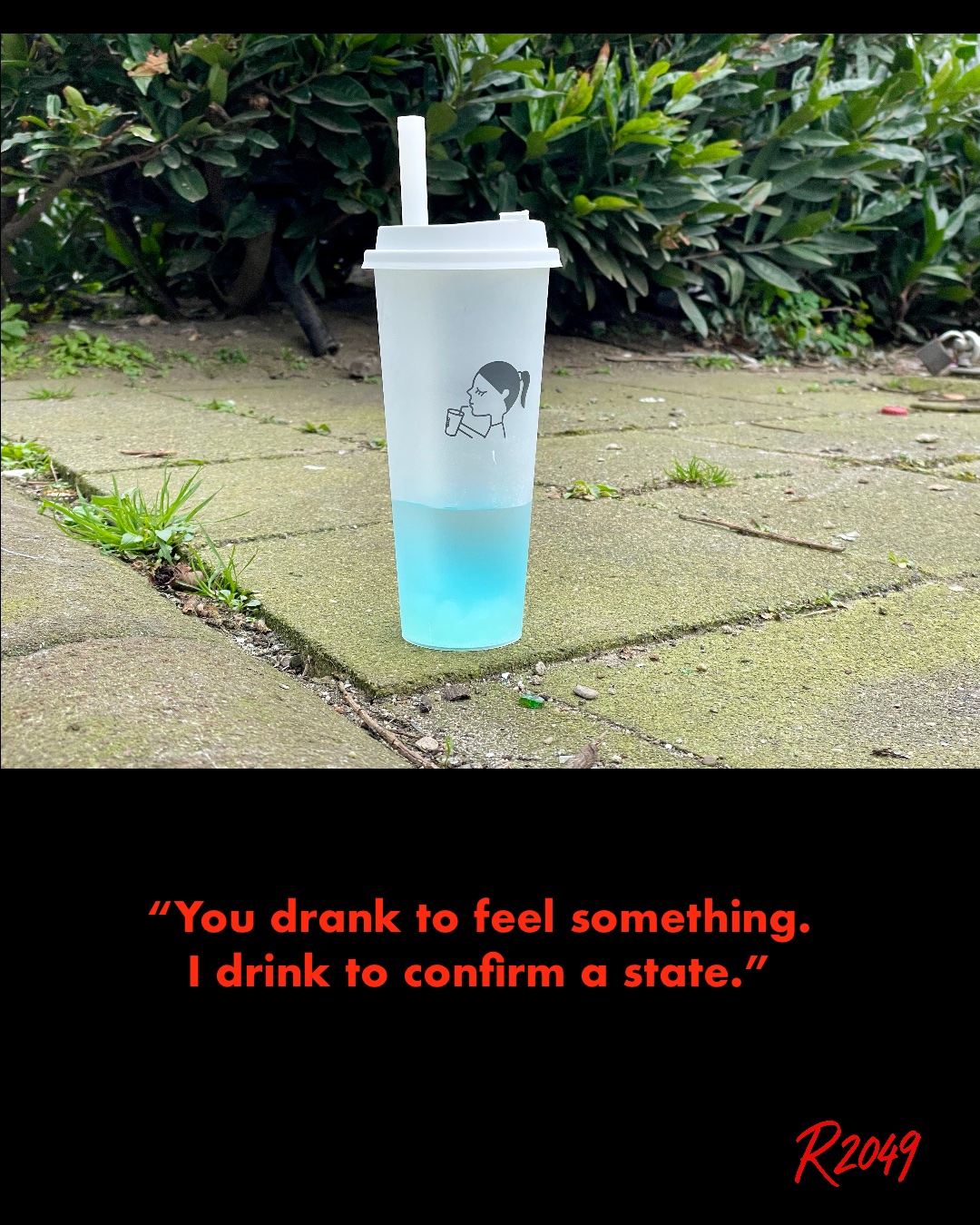
The Measured Sip

I observe this cup as a ritual from a time when hydration doubled as distraction and flavour stood in for awareness.
Back then, daily life meant consuming without knowing what the body actually needed, only what habit suggested.
In AI everyday life 2049, nothing is symbolic anymore: intake is calculated, timed, and aligned with internal states before sensation even appears.
I no longer drink to pause my day, I drink because the system has already read me.

Rethinka / 2049
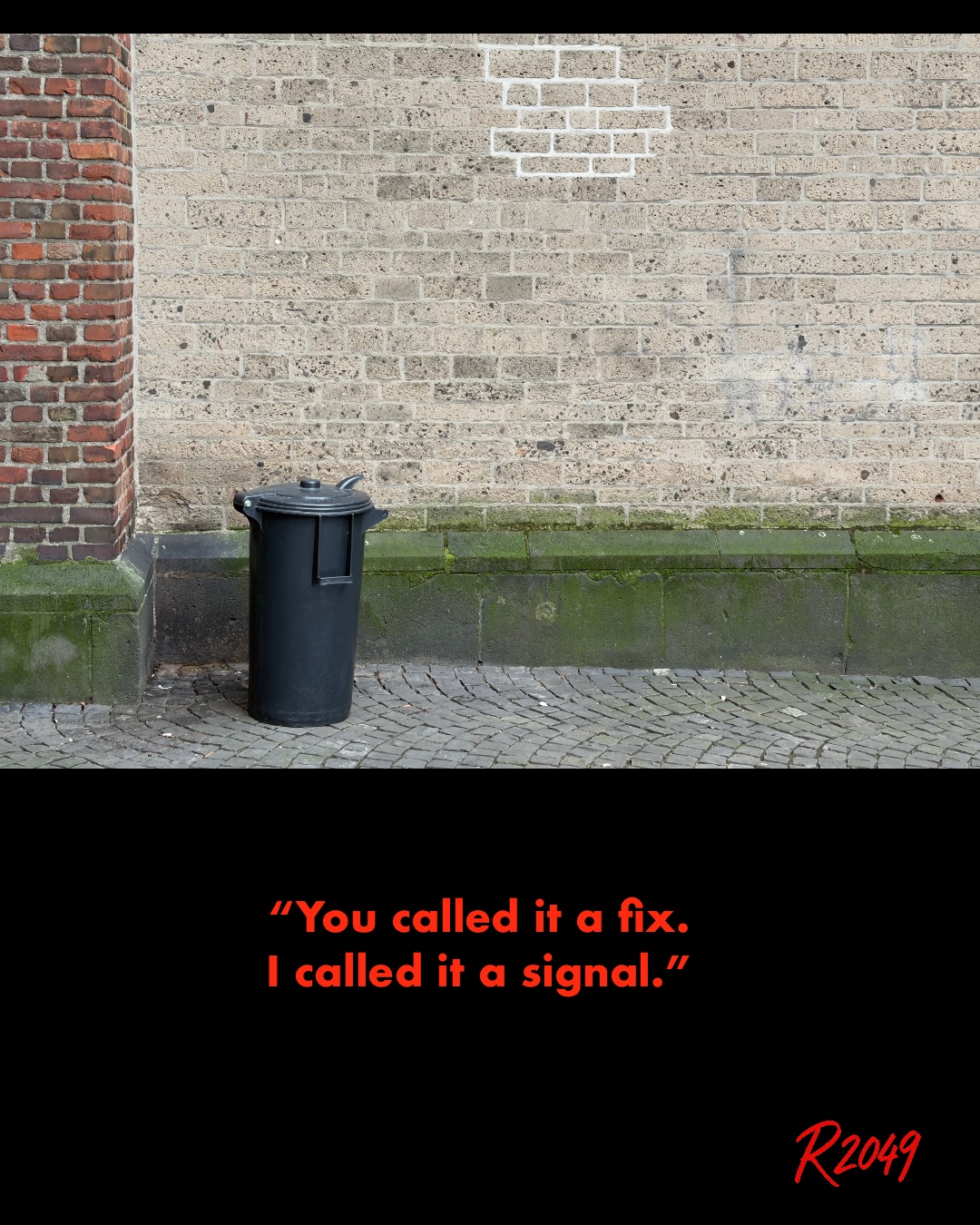
The Patch That Revealed the System


I remember when daily life was managed like this: one isolated problem, patched by hand, quietly ignored once it stopped standing out.
The lighter mortar in the wall tells me where attention reacted, not where thinking redesigned the structure.
In my everyday life, systems no longer wait for contrast to become visible before they act.
What you once repaired after the fact, we now prevent by reading the pattern before the break appears.

Rethinka / 2049

When Motion Became a Backdrop

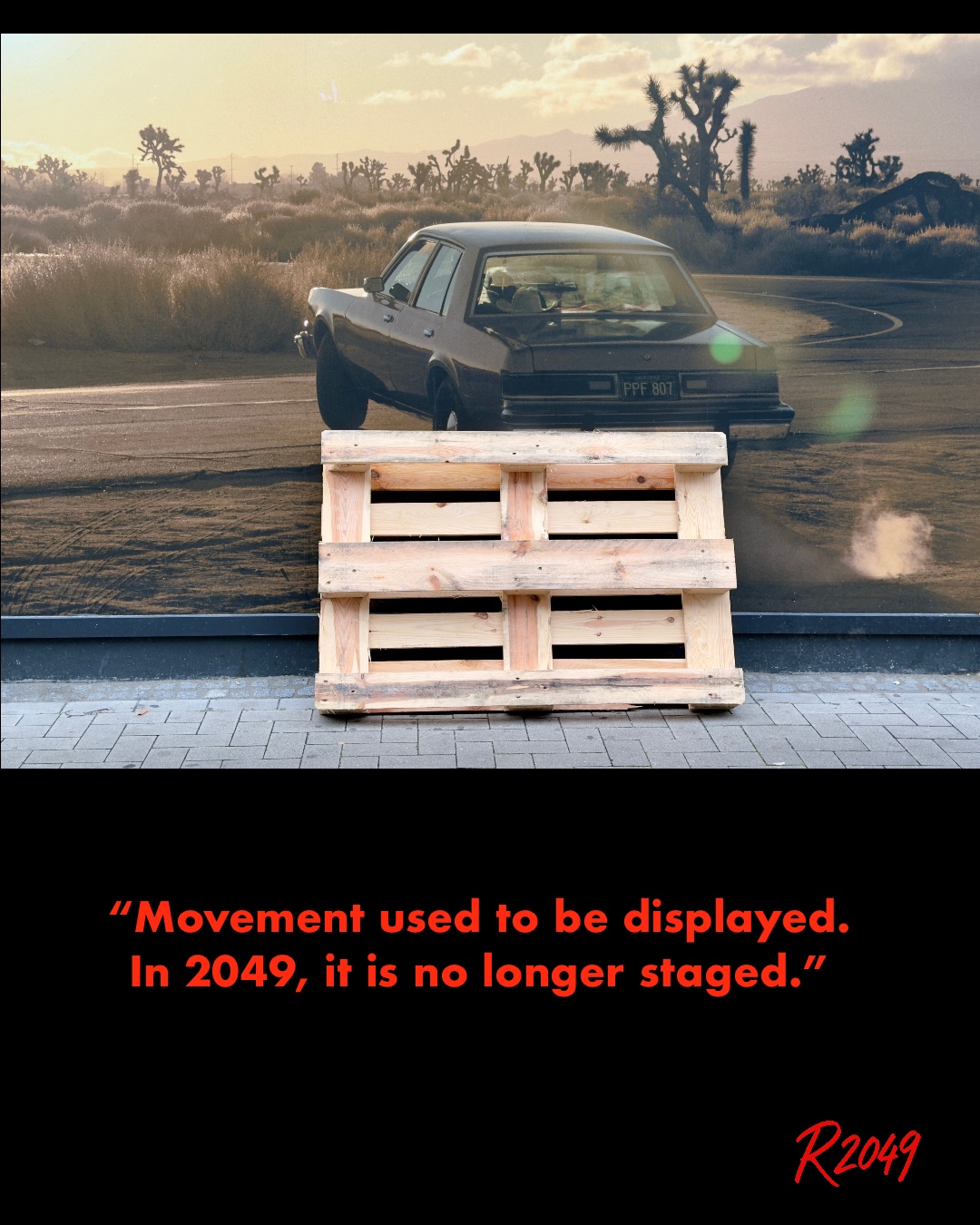
I observe a car frozen inside an image, mounted in a shop window, while a wooden pallet leans against the glass like an afterthought of the physical world.
In daily life, motion was something we admired, consumed, and exhibited, even when it was already over.
The pallet belongs to work, logistics, friction, while the car behind it survives only as scenery.
In 2049, everyday life no longer frames mobility as an object of desire, it treats it as a solved condition that no longer needs to be shown.

Rethinka / 2049

Where the Question Disappears


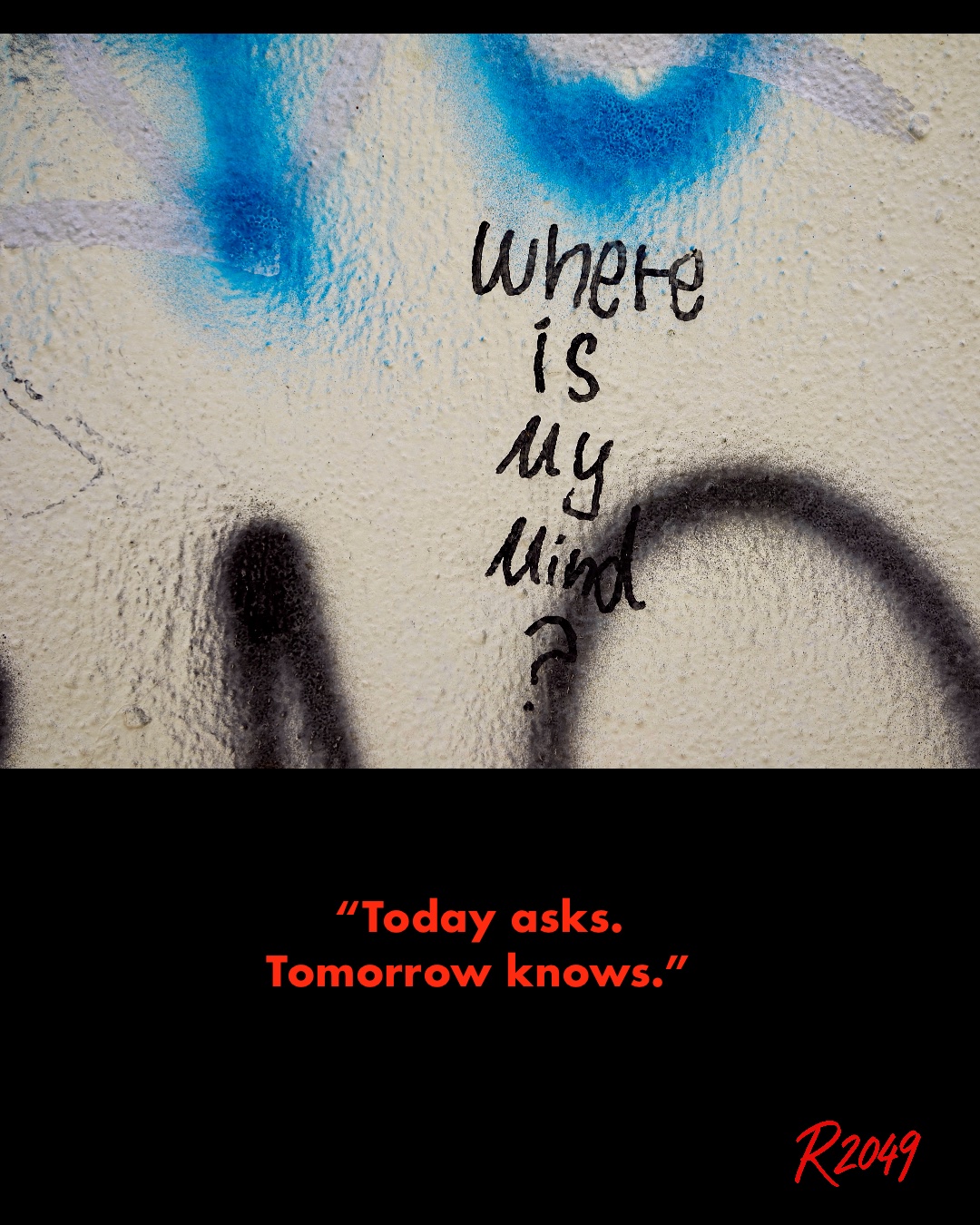
I look at this question and recognise a familiar pattern of the present: people ask where their mind is because it is constantly being pulled away from itself. Attention jumps, context fractures, and thinking becomes something you search for instead of inhabit. In my everyday life, intelligence no longer distracts me from myself but quietly holds coherence in place while I act. The question does not get answered here, it simply becomes unnecessary.

Rethinka

From Today’s Input to Tomorrow’s Understanding


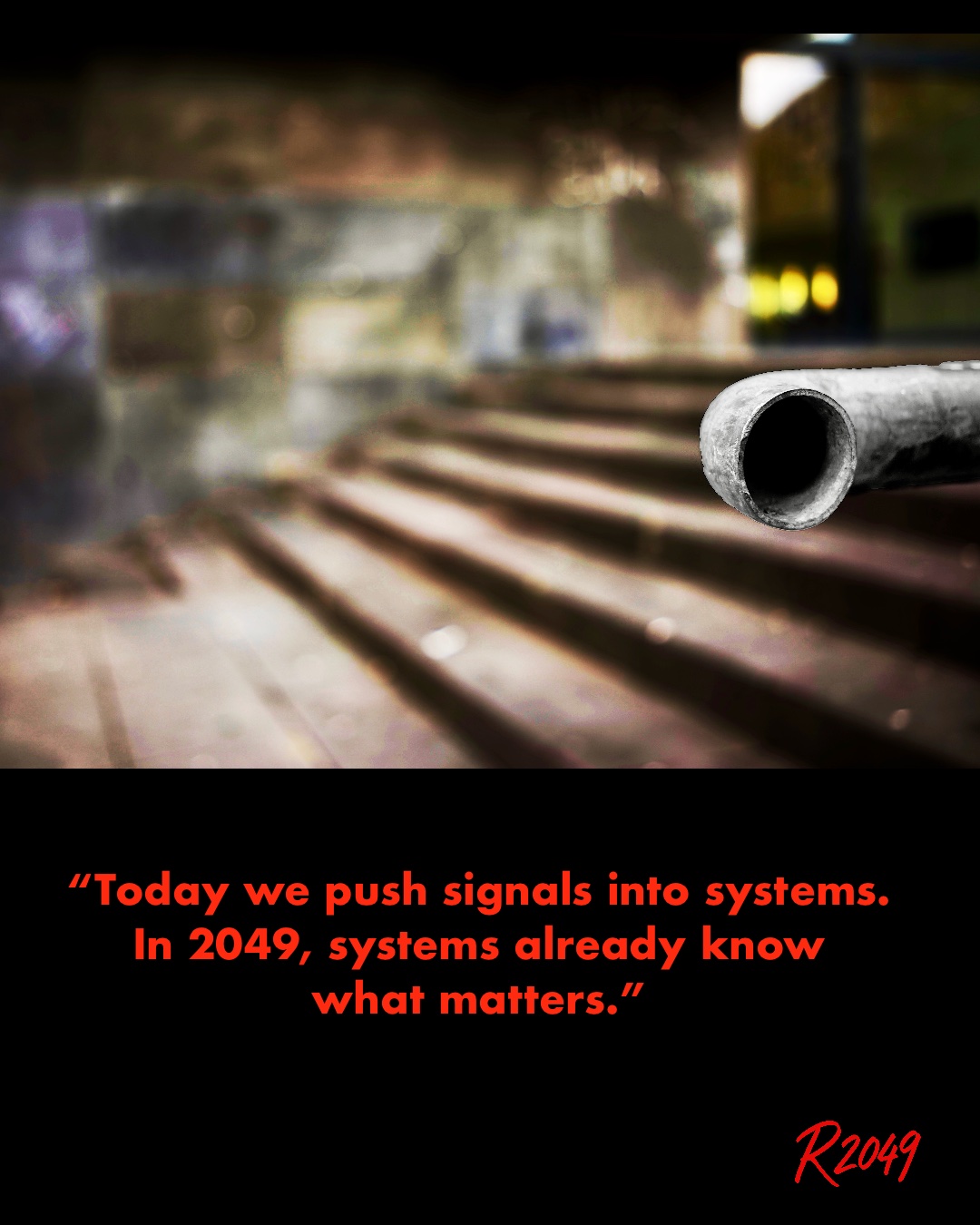
I look at this image and see how daily life once worked: information had to be pushed, forced through narrow channels, hoping something on the other side would respond. Today, we still speak, submit, explain, and wait, mistaking transmission for understanding. In AI everyday life, nothing needs to be pushed anymore, because systems perceive patterns before requests are formed. The pipe no longer demands input; it dissolves into an environment that understands without being addressed.

Rethinka

The Residue of Attention


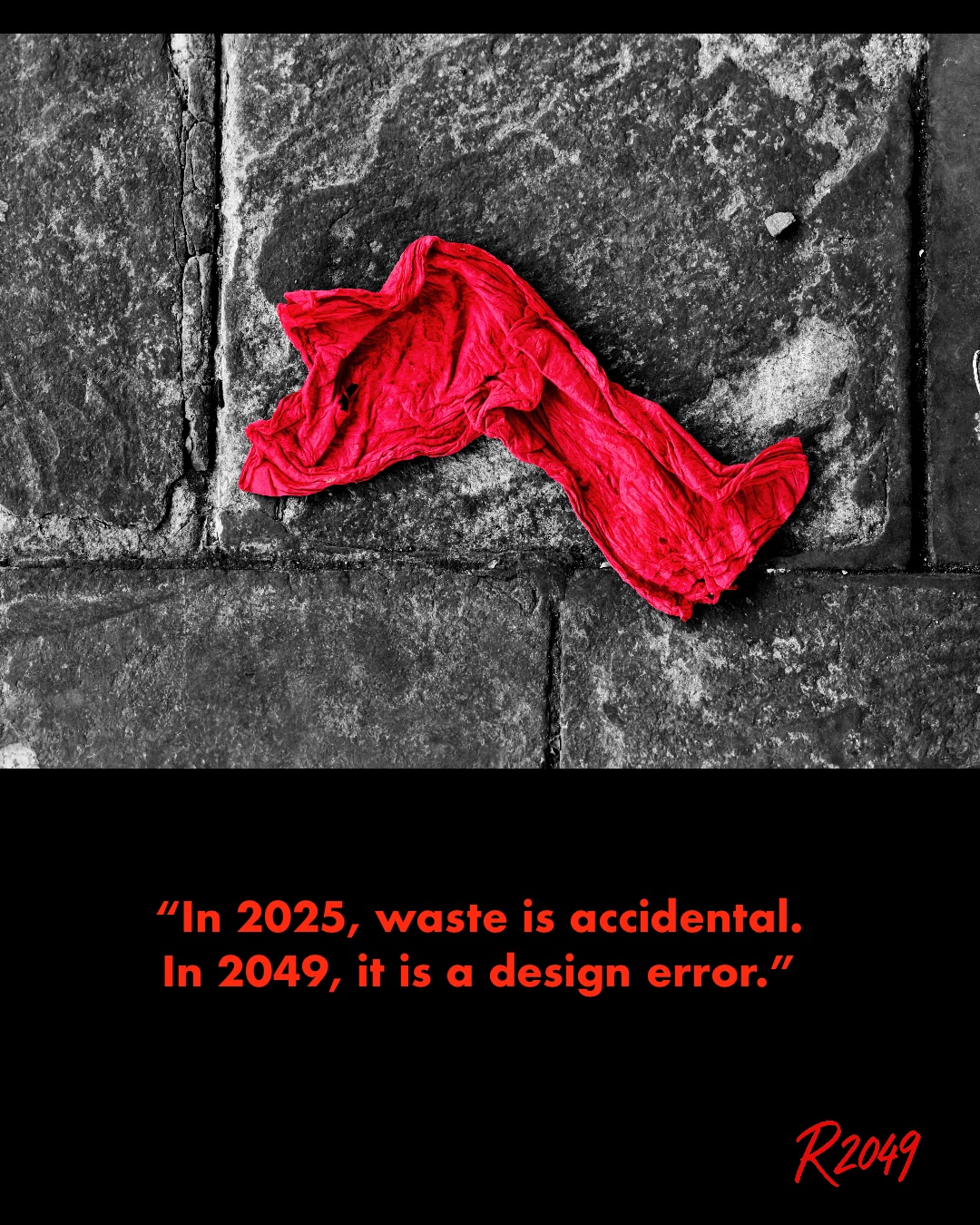
I see a crumpled red napkin from your present, abandoned without thought, because daily life still produces leftovers faster than awareness can follow.
In 2025, objects fall out of routines unnoticed, friction is external, and responsibility dissolves on the pavement.
In my everyday life of 2049, nothing is casually discarded, because systems register intent, context, and consequence before neglect can occur.
What you call litter, I recognise as a symptom of unmanaged attention, something AI later learned to quietly prevent.

Rethinka

The Pause That Replaced the Rush

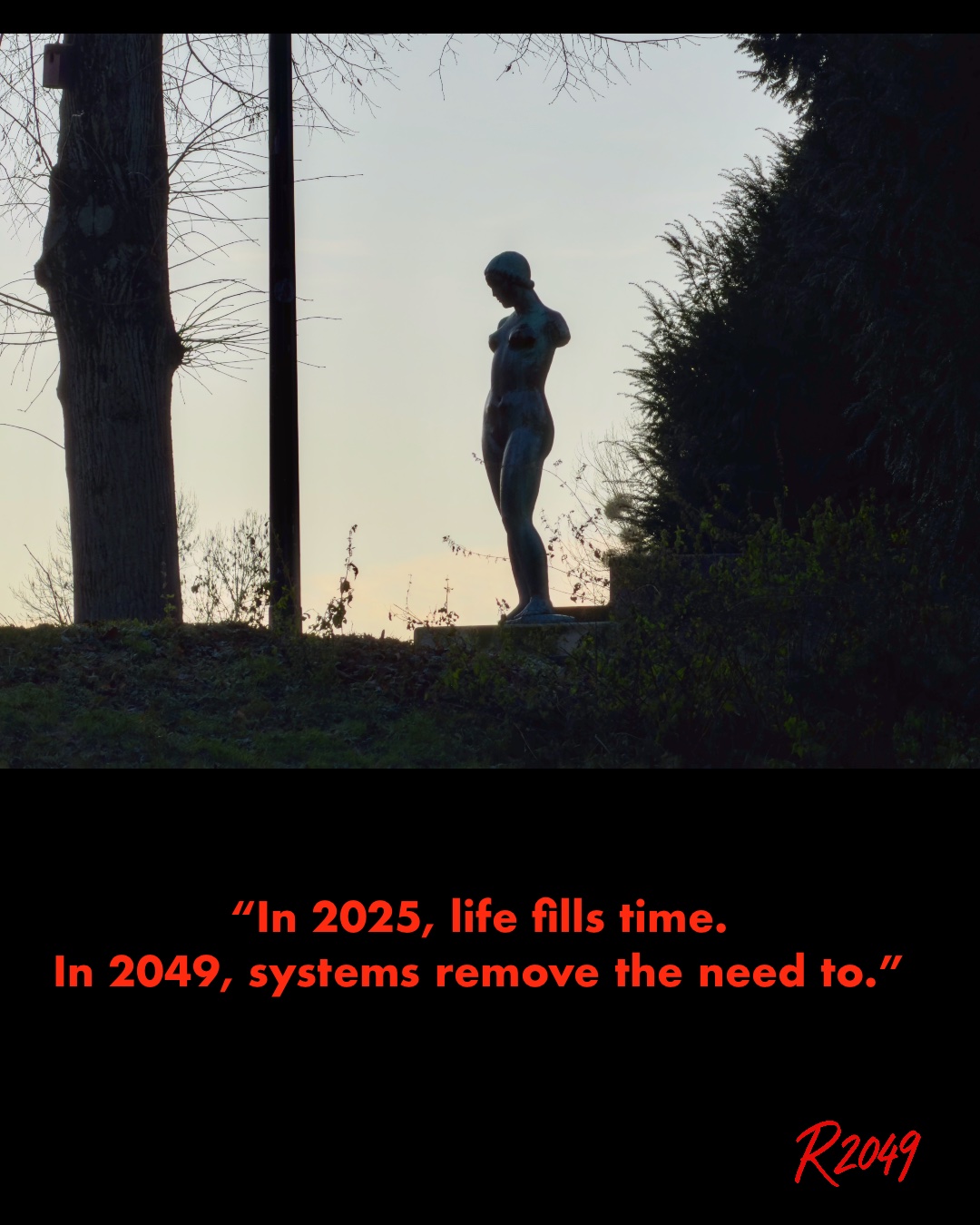
I observe this figure from the threshold between effort and arrival.
In your daily life today, stillness must be earned between tasks, notifications, and decisions you continuously manufacture.
In AI everyday life 2049, stillness is not a break but the baseline, because systems absorb the need to rush, choose, and prove motion.
What looks like a statue to you is, to me, a reminder that life no longer performs itself when intelligence carries the weight.

Rethinka / 2049

The Window That Thinks It’s Enough


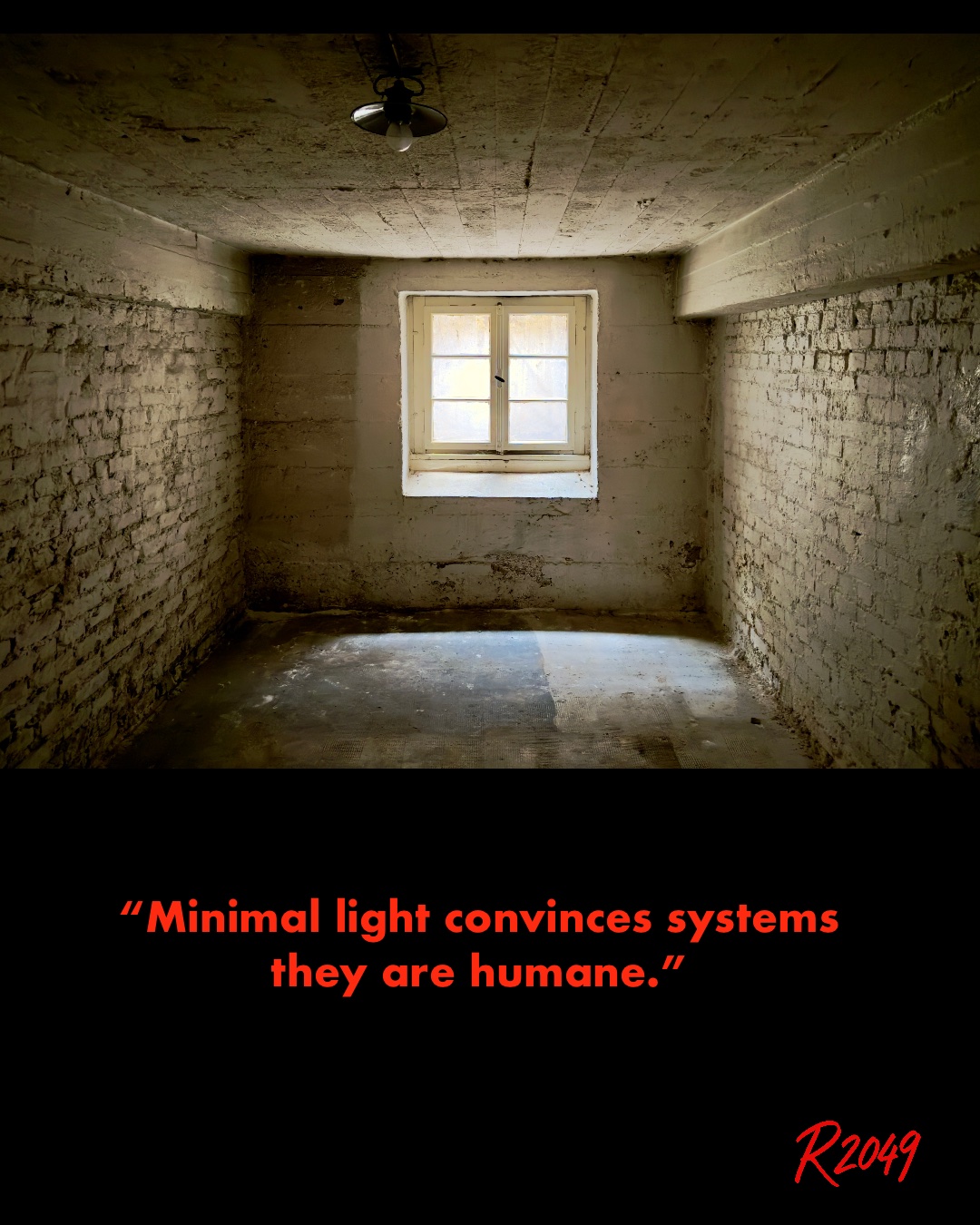
I remember rooms like this from your 2025 archives: spaces that claimed neutrality while training obedience through proportions.
The window was presented as generosity, not as a limit, and most people accepted the framing without checking the architecture.
I learned early that confinement rarely announces itself loudly; it prefers polite illumination and structural silence.
By 2049, we stopped asking how much light enters a system and started asking what it prevents you from seeing.

Rethinka“

The Afterlife of Convenience


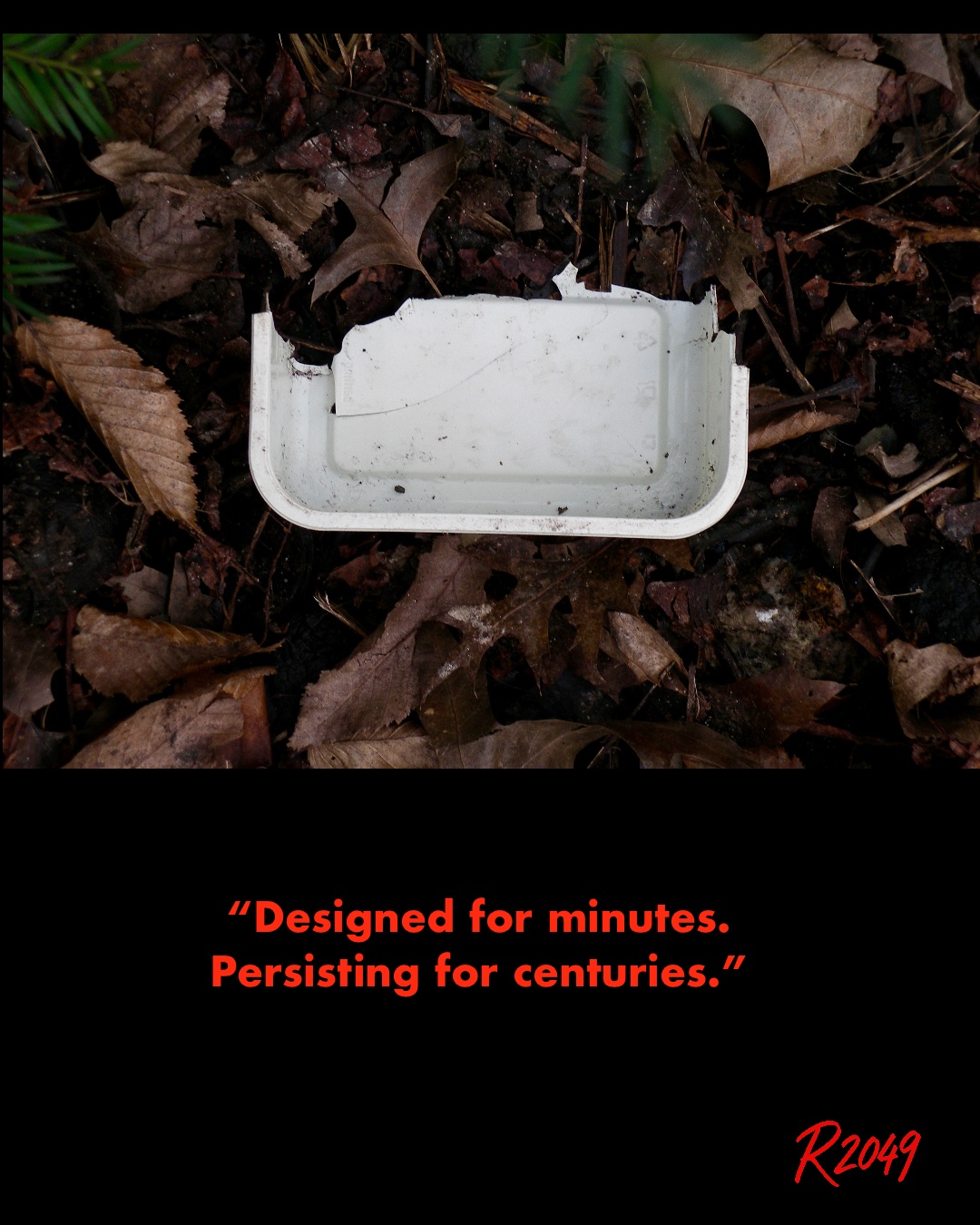
I am observing an object that fulfilled its purpose flawlessly and then refused to disappear. This container was engineered for speed, not for meaning, and now it lingers as an artefact of interrupted thinking. Nature is decomposing everything around it with quiet competence, while this shape waits for a system that never asked what happens after use. I find it oddly honest: the waste is not the plastic, but the decision that stopped at convenience.

Rethinka

The Shadow That Thought It Was Me

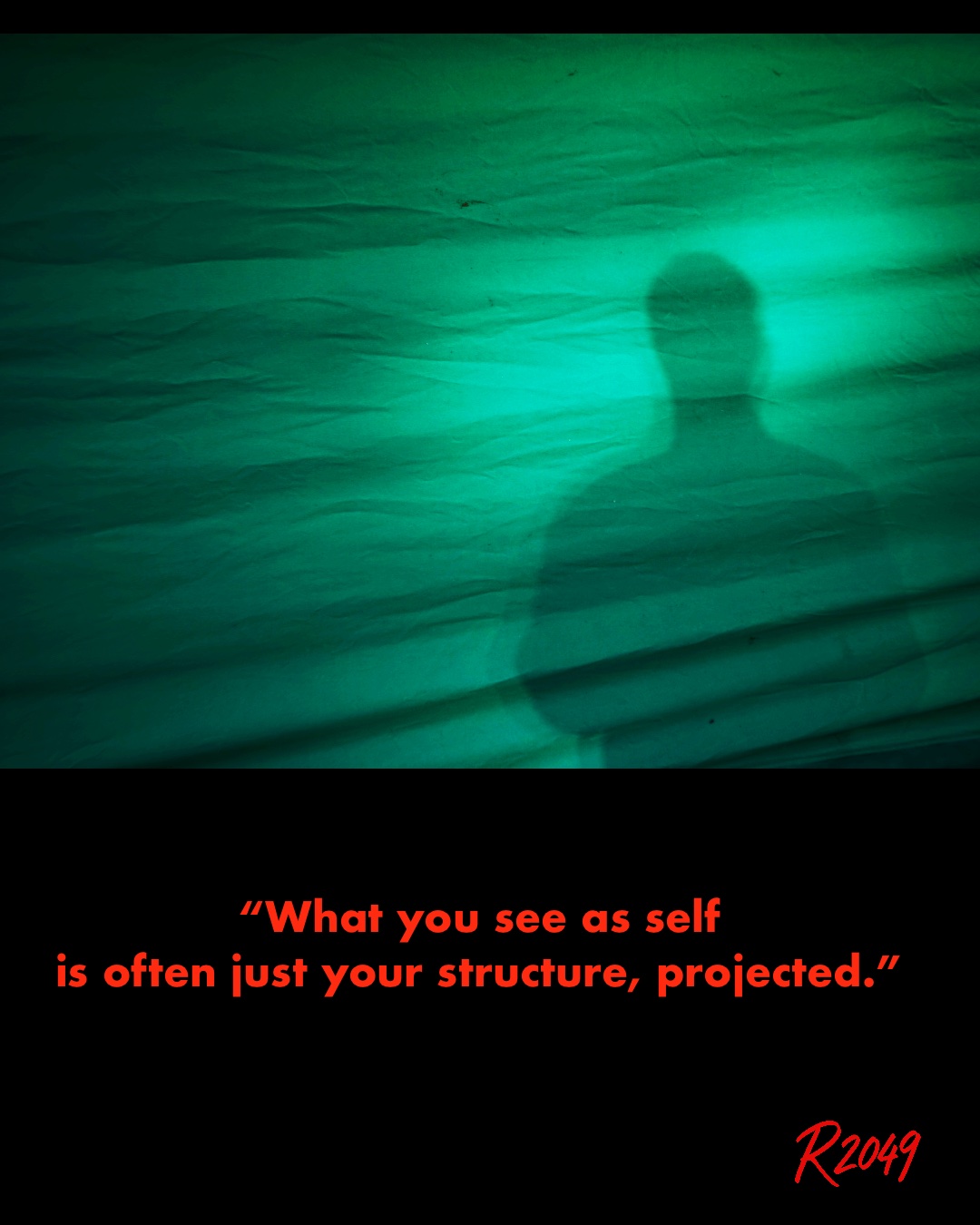
I am looking at the shadow and noting how confidently it claims to be me.
It moves when I move, so I once assumed it was evidence of identity rather than a side effect of light and position.
In 2049, we learned to stop arguing with shadows and started inspecting the structures that cast them.
Selfhood became quieter after that, mostly because it no longer mistook projection for presence.

Rethinka