Warum Deine Praxis chronisch ineffizient ist – und wie Du das sofort ändern kannst

„Stress, Zeitmangel und wirtschaftlicher Druck sind keine Naturgesetze. Sie sind Symptome eines schlechten Systems – und Systeme kann man ändern.“

Effizienz ist keine Option. Sie ist das Fundament einer erfolgreichen Praxis. Und doch scheint sie für viele Ärztinnen und Ärzte ein unsichtbares Ideal zu bleiben – bewundert, aber nie erreicht. Die Folge? Permanente Überlastung, Zeitmangel, wirtschaftlicher Druck. Aber hier kommt die unbequeme Wahrheit: Diese Probleme sind keine Naturgesetze. Sie sind Symptome eines ineffizienten Systems. Und das lässt sich ändern.
Continue reading “Warum Deine Praxis chronisch ineffizient ist – und wie Du das sofort ändern kannst”

Rethinking Feedback: The Underestimated Art of Effective Evaluation

„From Criticism to Clarity – Feedback enhances self-awareness, not just evaluation.“

The Rethinking Impulse as a RethinkAudio – Listen. Reflect. Analyze. Advance.

Misconceptions, Misinterpretations, and Toxic Mindsets Surrounding Feedback

Feedback is widely acknowledged as a cornerstone of leadership. Yet, in practice, it is frequently distorted, misunderstood, or even dreaded. Many leaders believe that feedback inevitably leads to conflict, as it is predominantly associated with criticism. Others hold the mistaken belief that it is superfluous, assuming that high performers inherently know whether they are excelling or not. Another prevalent fallacy is that feedback is an unproductive disruption that hampers workflow. Perhaps most problematic is the toxic mindset that regards feedback as a hierarchical instrument of control – where superiors assert their authority over subordinates rather than fostering mutual growth.

Continue reading “Rethinking Feedback: The Underestimated Art of Effective Evaluation”

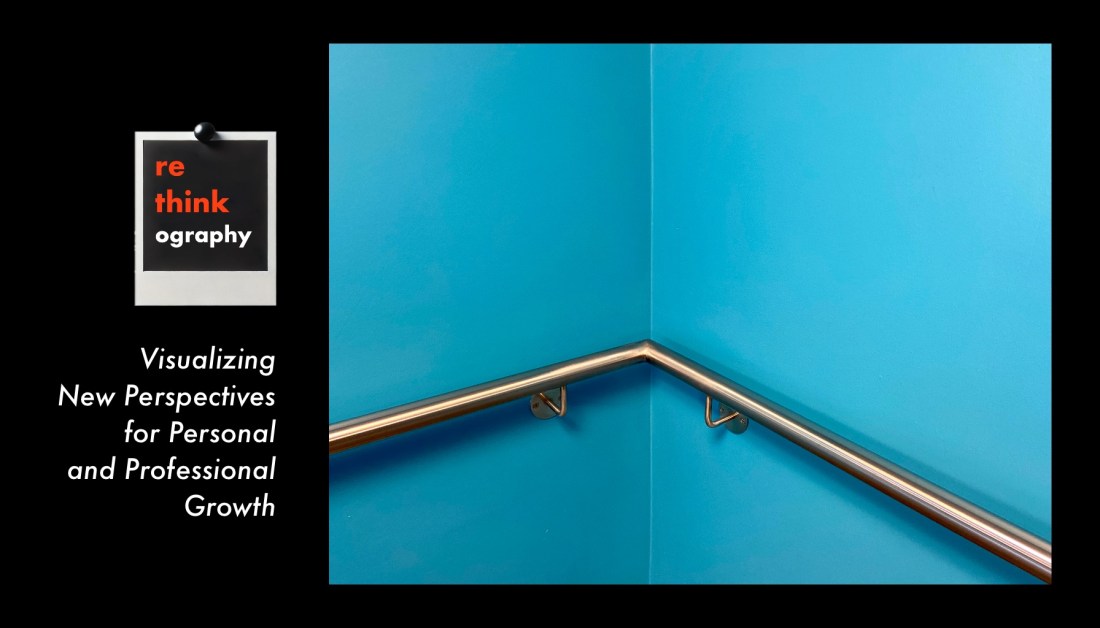
Rethinkography: The Handrail of Thought – How to Cultivate Inner Stability for Effective Self-Management

„Not every handrail offers true support. Choose wisely what you hold onto.”

The Metaphor: Why the Handrail Reflects Your Self-Management

Imagine ascending a staircase. Running parallel to your movement is a handrail – unassuming, yet crucial. Sometimes, you grasp it for support; at other times, its mere presence is reassuring.

This image serves as a perfect metaphor for your self-management: your inner principles, your structured approach, and your mental habits constitute the handrail of your life. They offer you stability in moments of uncertainty and prevent you from losing balance. But what happens if you rely on the wrong “handrail”? What if the habits you cling to do not fortify you but rather lead you astray? It’s time for a Rethinking.

Continue reading “Rethinkography: The Handrail of Thought – How to Cultivate Inner Stability for Effective Self-Management”

Rethinking: Courage – Why Leaders Must Cultivate a New Perspective on Bravery

„Rethink courage: from impulse to intelligent action.“

The Rethinking Impulse as a RethinkAudio – Listen. Reflect. Analyze. Advance.

What it’s all about

Courage is a term frequently overused, romanticised, or misrepresented in leadership discourse. It is often mistaken for sheer audacity, conflated with reckless bravado, or reduced to an unwavering hardness. The prevailing narrative portrays the courageous leader as one who confronts risk with unflinching resolve, makes unilateral decisions, recoils from no confrontation, and betrays no sign of vulnerability. In many executive spheres, courage is celebrated as a virtue of fearlessness, an emblem of unwavering self-confidence, and an indisputable marker of a leader’s capacity to impose their will in the face of adversity.

Continue reading “Rethinking: Courage – Why Leaders Must Cultivate a New Perspective on Bravery”

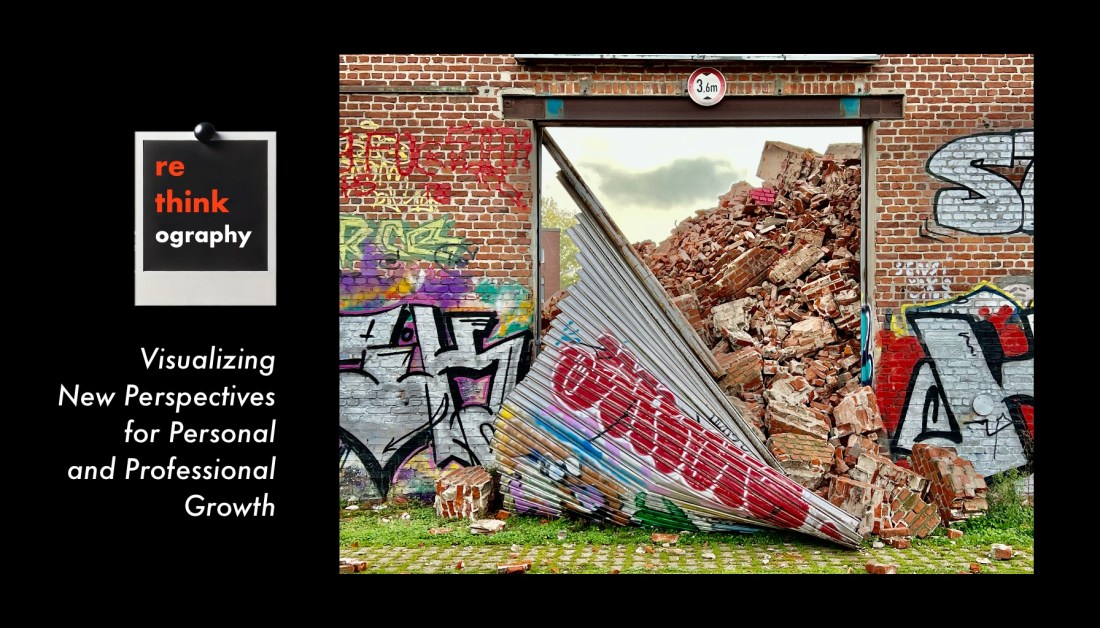
Rethinkography: When Your Mindset Collapses – Rebuild, but Do Not Replicate

„Destruction is just another word for reinvention.“

The Metaphor: Why Ruins Are the Blueprint for Your Breakthrough

Imagine your mindset as a building. Over time, it has been meticulously constructed – its walls fortified with experiences, beliefs, and thought patterns meant to shelter and support you. Yet, there inevitably comes a moment when the structure no longer holds. Perhaps life itself tears down the façade – through crises, unforeseen challenges, or sudden revelations. Or perhaps you sense that your mental construct has grown too restrictive, confining rather than liberating you.

Continue reading “Rethinkography: When Your Mindset Collapses – Rebuild, but Do Not Replicate”

Rethinking: Uncertainty Often Leads to Irrational Behaviour – How Focusing on Facts Restores Your Mental Clarity

„Facts calm the mind — assumptions fuel the storm.“

The Rethinking Impulse as a RethinkAudio – Listen. Reflect. Analyze. Advance.

Introduction & Context – Why This Topic is So Crucial

Uncertainty ranks among the most profound psychological stressors of contemporary life. Whether in personal affairs or professional environments, the moment the outcome of a situation becomes unclear, many individuals succumb to impulsive, emotionally charged responses. Decisions are made in haste, control is asserted inappropriately, or the mind becomes ensnared in endless loops of rumination.

Continue reading “Rethinking: Uncertainty Often Leads to Irrational Behaviour – How Focusing on Facts Restores Your Mental Clarity”

Rethinking Time: Warum Ärzte ihr größtes Kapital verschwenden – und wie du es besser machst

„Zeit ist keine Ressource – sie ist das Ergebnis deiner Entscheidungen.“

Worum es geht

Zeit ist keine Ressource. Sie ist ein Maß für deine Entscheidungen. Jede Sekunde, die du in unstrukturierte Abläufe, erzwungenes Multitasking oder den Perfektionismus-Fetisch investierst, ist eine Sekunde, die du niemals zurückbekommst. Willkommen in der Realität des ärztlichen Zeitmanagements: einem Dschungel aus ineffizienten Routinen, Ablenkungen und ständiger Überforderung. Doch es gibt eine andere Perspektive – eine, die nicht nur deine Produktivität, sondern auch dein Denken transformiert.

Continue reading “Rethinking Time: Warum Ärzte ihr größtes Kapital verschwenden – und wie du es besser machst”