
Tag: Self-Management
Rethinkography: Reflections on Life and Work through the Metaphor of a Puddle – Insights & Self-Assessment
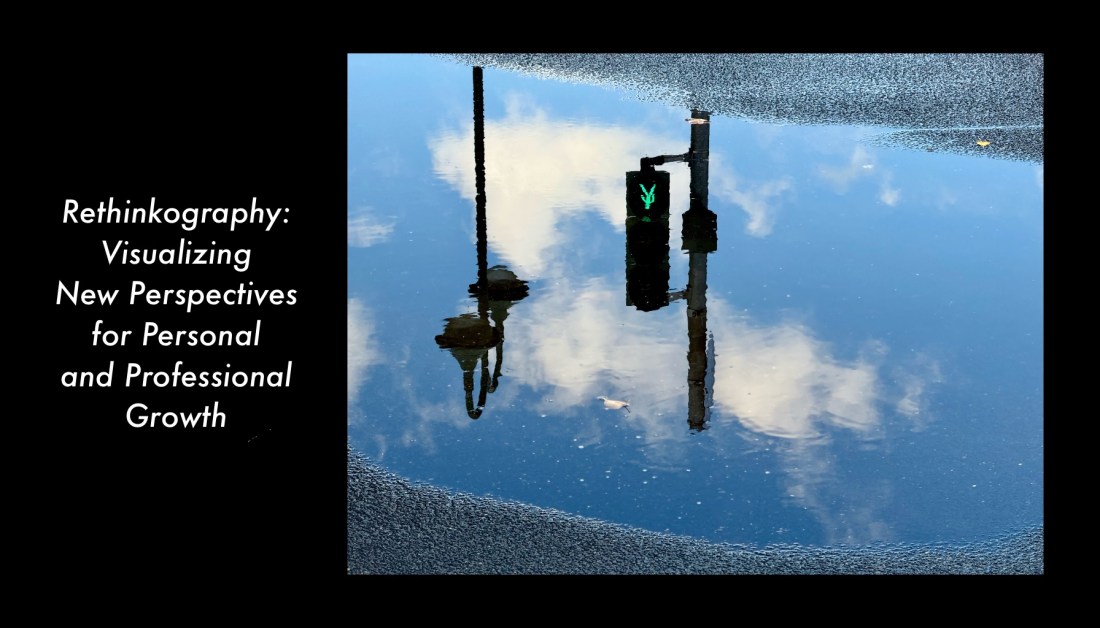
The Puddle as a Mirror of Rethinking
In a fleeting moment, a simple puddle offers a profound metaphor for the complexity of human existence. When we glance at the uploaded image, we see a pedestrian signal, a streetlamp, and the sky, all mirrored in the still water. On the surface, this is an everyday scene – often overlooked in its simplicity. However, it is precisely this overlooked moment that encapsulates a deeper, almost philosophical, insight into our lives.
Rethinkography: The Upward Gaze – A Reflection on Self-Management and Growth / Insights & Self-Assessment

The Metaphor of the Upward Gaze
The image captures the statue of a child gazing upward, its expression filled with wonder, hope, or perhaps quiet contemplation. In this posture of openness and curiosity, we find a metaphor deeply resonant with the core of self-management and the art of rethinking. The upward gaze symbolizes the human inclination toward growth, aspiration, and the pursuit of higher truths, both in personal and professional life. It is the physical manifestation of the desire to transcend the ordinary, to seek new perspectives, and to cultivate an inner openness to possibilities beyond the immediate, visible world.
Rethinkography: The Power of Simplicity and Innocence in Self-Management – Insights & Self-Assessment

What it’s all about
In our increasingly complex and demanding world, we often find ourselves burdened by layers of expectations, both internal and external. The image before us, a simple doll, evokes a sense of nostalgia, innocence, and vulnerability. It might seem at first glance like a relic of childhood – a representation of play and simplicity – but in its stillness, this image contains a profound metaphor for the human experience, particularly in the realms of life and work.
Rethinkography: The Broken Sunglasses as a Metaphor for Perspective and Resilience

What it’s all about
The image of broken sunglasses lying on the street, one of its arms snapped off, is a vivid and potent metaphor for disrupted clarity, lost balance, and the fragility of our carefully constructed perspectives. Sunglasses, a tool for shielding our eyes from glaring sunlight and harsh realities, represent how we manage our perception of the world. When damaged, as seen in the image, they no longer serve their purpose effectively, distorting vision and leaving us vulnerable to discomfort or confusion. The missing arm adds a layer of imbalance, suggesting that even a small, unnoticed flaw can render the whole object dysfunctional.
Rethinkography: The Significance of the “Illuminating Moment” in Self-Management

What it’s all about
In the metaphorical examination of the uploaded image of a lightbulb in a shadowed setting, we uncover a universal tenet of self-management and life guidance. The lightbulb, antiquated and almost fragile, hangs in a dim corner yet retains the potential to illuminate its surroundings. This scene serves as a symbol for a crucial moment in every individual’s personal and professional experience: the moment of sudden clarity, the unexpected “Aha” experience, which casts light upon previously clouded thoughts and obscure processes.
Continue reading “Rethinkography: The Significance of the “Illuminating Moment” in Self-Management”
Rethinkography: The Rubble of Expectations – Rebuilding a Life of Purpose

What it’s all about
In our lives, both personal and professional, we often find ourselves standing atop a metaphorical hill of rubble, much like the one in the image – old, broken bricks and debris, the remnants of previous structures that no longer serve us. These fragments are symbolic of outdated expectations, past failures, and misplaced beliefs that have accumulated over time, forming barriers to progress and clarity. In the context of Rethinking and self-management, this rubble represents the weight of self-imposed limitations and external pressures that have shaped our current situation, yet hold us back from growth and fulfillment.
Continue reading “Rethinkography: The Rubble of Expectations – Rebuilding a Life of Purpose”
Rethinkography: The Interwoven Web of Life and Work – A Comprehensive Self-Management Approach

What it’s all about
Life, much like the image of intertwined ropes, is a web of interdependencies, intricacies, and connections. In this metaphorical web, each knot represents a critical aspect of our personal and professional lives. These knots are not isolated, just as the decisions and challenges we face daily are not independent. Each decision tugs at the strands, rippling through the entire web, affecting not just one area of life but the broader structure. It is within this context that the principles of self-management and self-leadership come into sharp focus. Understanding the complexities of life’s interdependencies is essential for navigating modern challenges, both in work and in personal life, with wisdom and foresight.
Leadership: Discovering and Utilising Your Inner Sources of Strength

Overview
This article explores how leaders can discover and effectively utilise their inner sources of strength to enhance both their personal resilience and their leadership of teams. It examines the topic from both a philosophical and psychological perspective to highlight how these sources of strength not only improve self-management but also contribute to sustained leadership quality. Within the framework of Rethinking, the importance of regularly pausing, reflecting on personal resources, and discovering new approaches for fulfilling and effective leadership is underscored.
Continue reading “Leadership: Discovering and Utilising Your Inner Sources of Strength”
Rethinkography: The Distribution Box of Consciousness – Decision-Making in Self-Management

What it’s all about
The distribution box with the graffiti question mark, seemingly inconspicuous yet deeply symbolic, serves as a powerful metaphor for one of the core aspects of self-management: the art of decision-making. Whether in everyday life or when facing complex challenges in the workplace, decisions are never purely logical acts. They are profoundly emotional, cognitive, and often ambivalent processes, unfolding in the tension between what we know and what we fear.

