„Your focus belongs on your goals, not their gaze.“
The Deception of the Spotlight: What People Believe
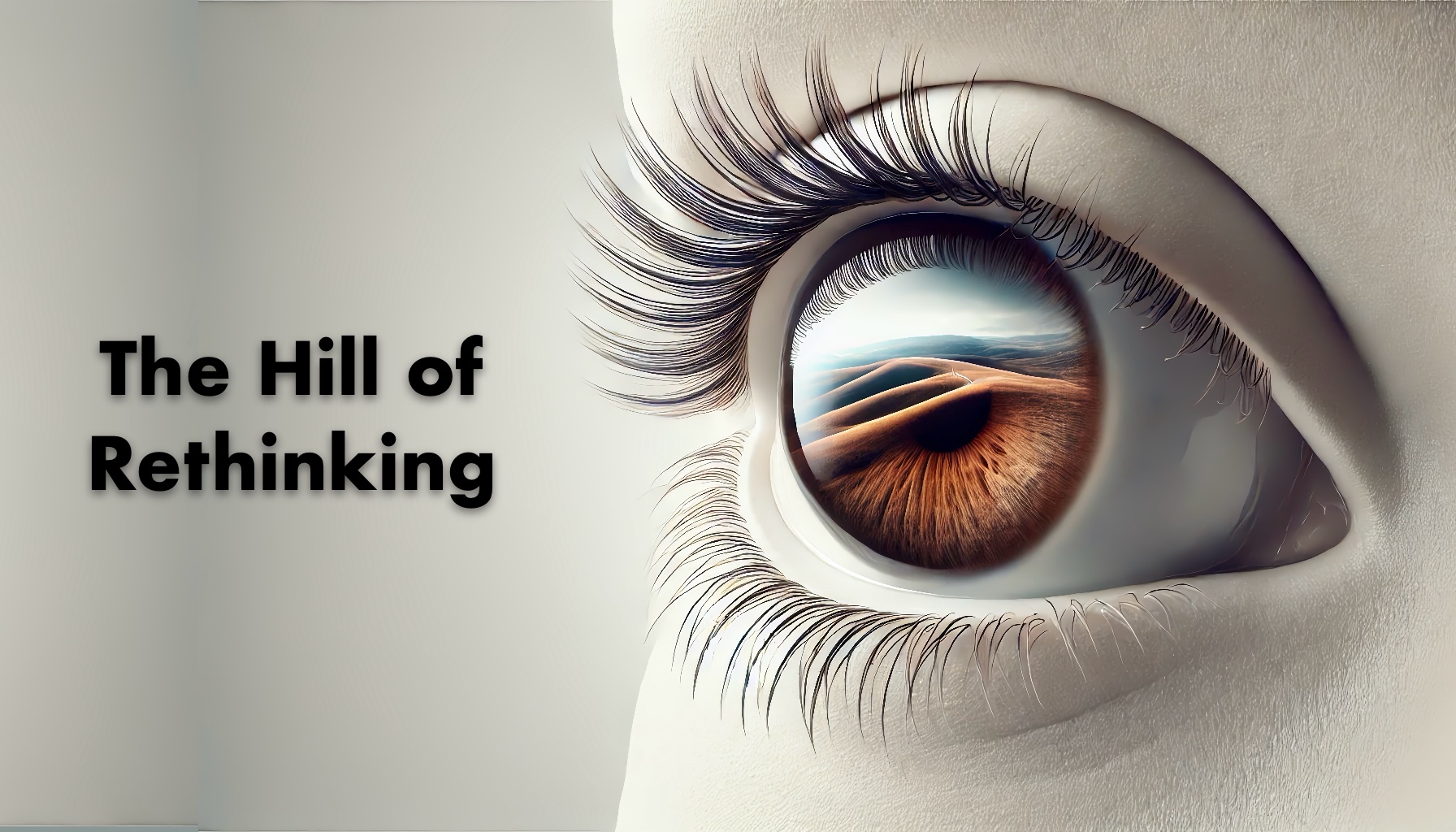
Have you ever wondered why you sometimes feel as though all eyes are on you? Perhaps during a meeting while presenting your ideas, or even during a simple stroll back to the office after lunch, you suddenly become hyper-aware of your appearance, words, or gestures, as if under intense observation. This psychological distortion, known as the Spotlight Effect, leads us to believe that others pay far more attention to us than they actually do.
But this phenomenon is more than a harmless illusion. It fosters a host of misconceptions and toxic mindsets, such as:
- Believing every minor insecurity or mistake is noticed and judged.
- Developing irrational fears of public speaking or decision-making due to fear of condemnation.
- Feeling an overwhelming need to meet others’ expectations to gain acceptance.
- Perceiving personal flaws – be they physical, emotional, or professional – as the centre of attention.
These thought patterns fuel shame, perfectionism, and a nagging sense of inadequacy, draining energy, hindering relationships, and stifling both professional and personal growth.
What Is the Spotlight Effect?
The Spotlight Effect refers to our tendency to overestimate how much others notice, observe, or judge our actions, appearance, and behaviour. This cognitive bias stems from our natural inclination to see ourselves as the centre of our own world – a product of our consciousness and constant self-reflection.
Psychologically, the Spotlight Effect arises because we struggle to project ourselves into others’ perspectives. While we perceive ourselves in full complexity, others see us as just one small facet of their reality. From a depth-psychological perspective, this effect reflects the ego’s insecurity – the fear of judgement is often a mirror of deeper doubts about our worth or belonging.
Why the Spotlight Effect Affects You – Personally and Professionally
Imagine you’re a leader faced with a tough decision that you know won’t please everyone. Instead of making a rational judgement, you hesitate, consumed by the imagined scrutiny of colleagues, your team, or your superiors. The result? Decision paralysis, self-doubt, and a loss of authenticity.
In your personal life, the Spotlight Effect might manifest as a reluctance to express yourself authentically – whether fearing judgement from friends or projecting an unattainable image of perfection on social media. These behaviours breed isolation, an excessive need for validation, and a subtle withdrawal from your true aspirations and desires.
The Spotlight Effect and Its Impact on Mental and Physical Well-being
The Spotlight Effect not only shapes your thoughts but also affects your physical and mental health. The constant fear of being observed and judged can trigger stress responses that weaken your immune system, disrupt sleep, and increase the risk of burnout. Over time, this self-focus hinders your ability to enter flow states – those moments of deep engagement when you lose self-consciousness and fully immerse yourself in the task at hand.
A Philosophical Lens: The Ego’s Illusion
Philosophically, the Spotlight Effect underscores the illusion of egocentrism. We often view ourselves as protagonists in a narrative where others are cast as supporting characters who evaluate and comment on our every move. But what if you realised that most people are too preoccupied with their own “spotlights” to scrutinise you? This realisation challenges us to let go of our egos and embrace life as a mutual exchange, where everyone is both observer and observed.
Overcoming the Spotlight Effect with Rethinking: Reflect. Analyze. Advance.
How often have you wondered what others truly think of you? The good news: likely far less than you imagine. Using the R2A formula for Rethinking – Reflect, Analyze, Advance – you can not only understand the Spotlight Effect but actively dismantle it, developing a freer and more empowering relationship with your self-perception.
Reflect: Cultivate Awareness
Take a moment to recall the last situation where you felt under observation. How did it feel? What thoughts crossed your mind? Now challenge those thoughts: is there concrete evidence that others noticed you to the extent you imagined?
Shift your perspective. Think of the last interaction you had with a colleague. How much time did you spend truly analysing their behaviour? Probably only fleetingly—and others think of you just as briefly.
Analyze: Identify Patterns and Question Them
Look for patterns in when and why you feel “in the spotlight.” Are specific people, situations, or insecurities triggering this effect? This analysis is crucial for diminishing its power.
Imagine observing yourself objectively. What would you truly notice? Likely not the minor flaws you obsess over, but rather your presence, energy, and skills. Keep this external perspective in mind as a grounding tool.
Advance: Integrate New Behaviours
To overcome the Spotlight Effect in the long term, you’ll need to adopt practical strategies that reshape your self-perception:
- Practice Presence: Focus on the moment, rather than how you are perceived.
- Embrace Authenticity: Authenticity resonates more than perfection. People value your genuine self far more than you realise.
- Experiment Freely: Intentionally do something you think might attract attention and observe how little reaction it actually provokes.
Final Thoughts: Freedom Begins with Rethinking
The Spotlight Effect traps us in an illusion that stifles our personal and professional potential. Through Rethinking, you can liberate yourself: reflect on your thoughts, analyse your patterns, and cultivate new strategies that enable you to live confidently and authentically. Imagine how freeing it would feel to no longer be held back by the imagined spotlight of others. Begin today by shining your light on what truly matters – your goals, values, and authenticity.
Further reading
- Gilovich, T., Medvec, V. H., & Savitsky, K. (2000). The spotlight effect in social judgment: An egocentric bias in estimates of the salience of one’s own actions and appearance. Journal of Personality and Social Psychology, 78(2), 211–222. This foundational study explores the spotlight effect and its manifestations in social settings.
- Crowley, L. (2023). The Spotlight Effect on Social Media. Undergraduate Review, 17, 207–216. This research examines the spotlight effect in the context of Instagram usage.
- Calm and Caring Psychology (2024). The Spotlight Effect: Feeling Like Everyone Is Watching You. This article discusses the psychological mechanisms behind the spotlight effect and its impact on mental health.
- The Decision Lab (2021). Spotlight Effect. This analysis highlights how socially anxious individuals are more susceptible to the spotlight effect and its implications for task performance.
- Psychology Today (2022). All Eyes on Us: The Spotlight Effect. This article links the spotlight effect to egocentric biases and emotional intelligence development.
- David, L., et al. (2024). The unpleasantness of thinking: A meta-analytic review of the association between mental effort and negative affect. Psychological Bulletin, 150(9), 1070–1093. This study indirectly relates to the cognitive processes underlying the spotlight effect.
- Falk, E., et al. (2015). Self-affirmation alters the brain’s response to health messages and subsequent behavior change. PNAS, 112(7), 1977–1982. This research connects self-perception with behavioral responses.
- Kitsche, M. (2022). Can Empathic Conjectures and Validation Foster Mentalizing? Dissertation exploring self-awareness, relevant to understanding the spotlight effect.
- Stähli, A. (2021). Emotionale Verarbeitung in der Psychologischen Therapie. Dissertation discussing emotional transformation processes that intersect with self-focused biases like the spotlight effect.
- Orben, A., et al. (2024). Mechanisms linking social media use to adolescent mental health vulnerability. Nature Reviews Psychology, 3, 407–423. This study examines social media’s role in amplifying self-consciousness akin to the spotlight effect.
Note
We use artificial intelligence to enhance the structural readability of our texts, optimise content for users, ensure the quality management of formal aspects, and generate attractive, context-appropriate images as well as audio versions of our articles (podcasts). Additionally, AI helps us analyse reader feedback, respond to trends, and continuously improve our content to provide you with the best possible reading experience.
THOR5114
 R2049
R2049 