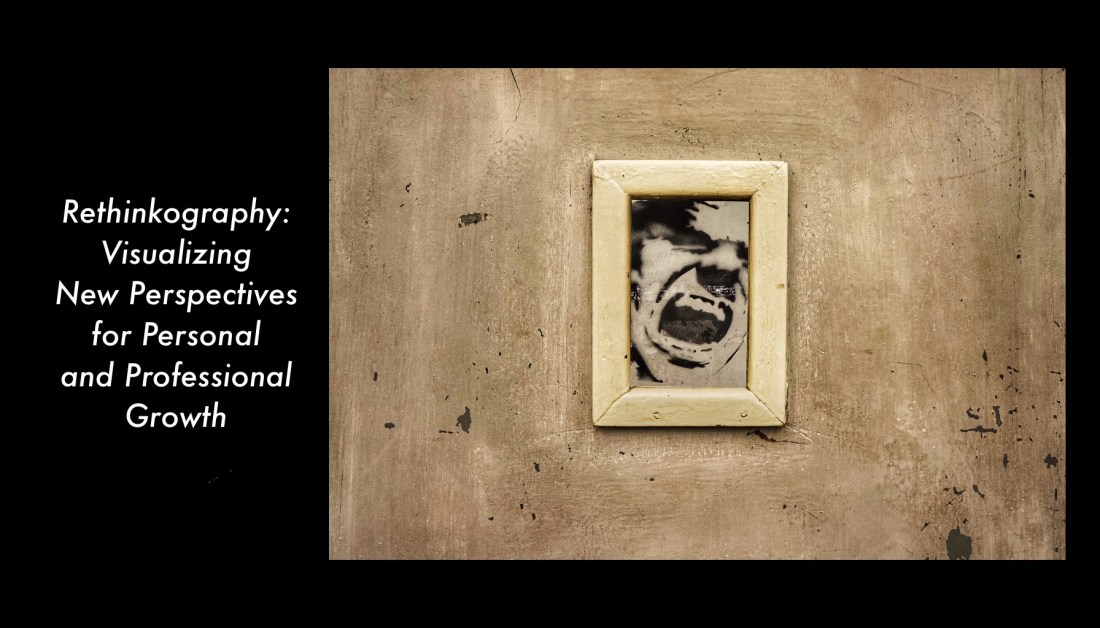
“I embrace my inner scream, freeing it from the frame of limitation, and I harness its message to craft a life of autonomy and purpose.”
The Metaphor of the Scream Behind the Frame
The image portrays a scream, encapsulated and confined within a rigid, limiting frame. This artwork stands as a powerful metaphor for the inner outcry that many experience in the realm of self-management: the yearning to break free from constraining mindsets, repressive emotions, or entrenched societal roles. The frame symbolises the self-imposed or socially enforced boundaries that stifle authentic expression.
This Rethinking Impulse explores the transformation of the open-door policy from a symbolic gesture to an authentic leadership tool rooted in empathy, dialogue, and strategic self-management.
“Authentic openness is not about the door you leave ajar, but the presence you bring to the dialogue. Rethink your leadership: embrace empathy, establish boundaries, and transform openness into action-driven trust.”
The Rethinking Impulse as a RethinkAudio – Listen. Reflect. Analyze. Advance.
Misconceptions, Misinterpretations, and Toxic Mindsets Surrounding the Open-Door Policy
The concept of the open-door policy is often cloaked in idealistic notions of transparency and accessibility. Yet, beneath this veneer lie entrenched misunderstandings and toxic mindsets. One pervasive misconception is that a perpetually open door inherently fosters trust and enhances communication. Many leaders presume that this practice demonstrates their approachability, overlooking the crucial fact that physical openness does not equate to emotional presence or psychological safety.
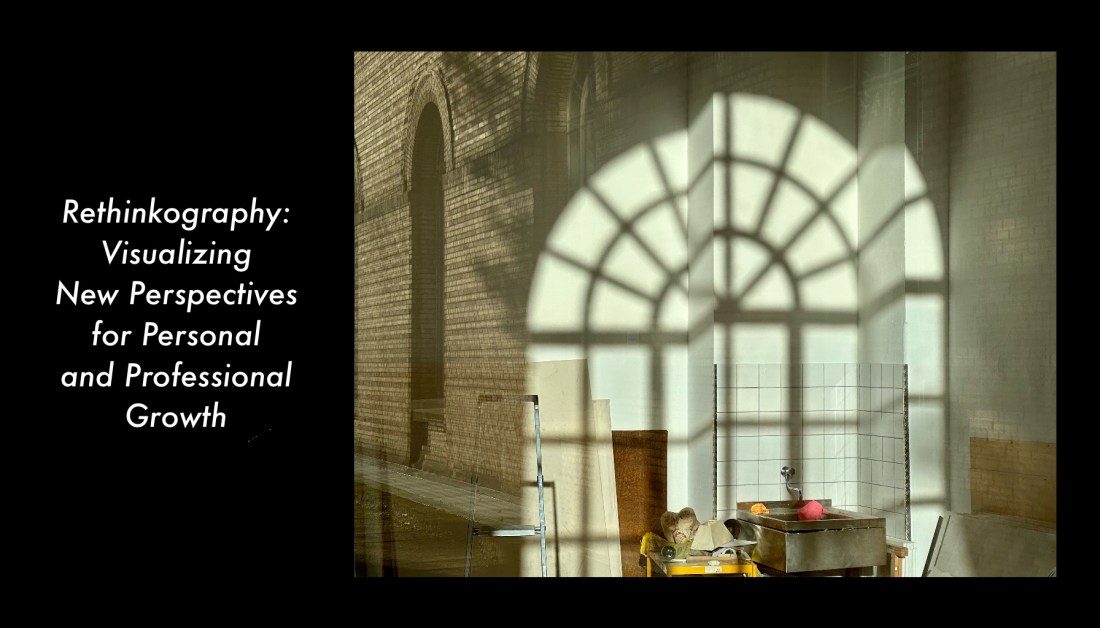
“I open the window of my mind, leave the shadows of old patterns behind, and embrace the clarity that emerges from new perspectives.”
The Metaphor of the Window: A Reflection of Perception in Self-Management
The cover image captures the shadow of an architectural window cast upon a wall, symbolising the interplay of perspectives and perceptions within the domain of self-management. The window serves as a metaphor for the conscious and unconscious ways in which we view and interpret our reality. The shadows on the wall represent the interpretations, beliefs, and narratives we construct from our experiences and viewpoints.
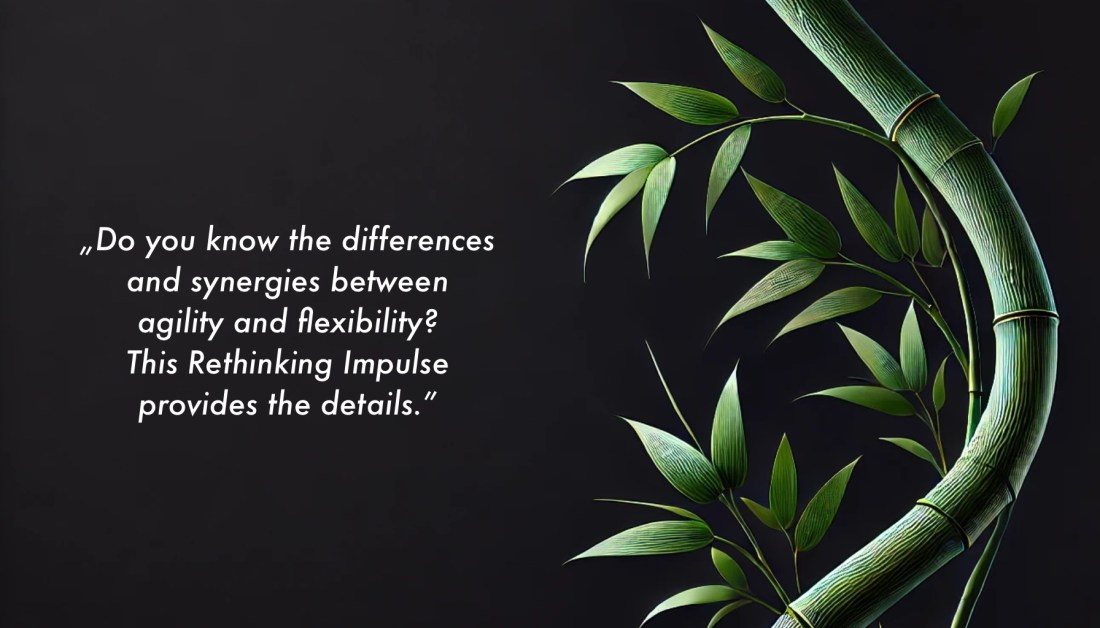
This Rethinking Impulse explores the critical distinction between flexibility and agility in leadership, highlighting their unique roles in balancing stability, innovation, and effective team dynamics in a complex work environment.
A Rethinking Impulse by Klaus-Dieter Thill from Leaders Hill: „Healthy Leadership – Sustainable Results through Mental, Organisational, and Social Balance.“ Leaders Hill is part of „The Hill of Rethinking“, a knowledge sharing platform that empowers individuals to shape their present and future while offering leaders tools for personal and professional growth.
The Rethinking Impulse as a RethinkAudio – Listen. Reflect. Analyze. Advance.
Misconceptions, Misinterpretations, and Toxic Mindsets
The concepts of “flexibility” and “agility” have gained substantial traction in today’s professional landscape, yet they remain deeply misunderstood. One of the most pervasive misconceptions is to equate flexibility with an unbounded willingness to adapt. Leaders who succumb to this fallacy risk forfeiting their values and priorities, becoming wholly dictated by external demands.
“I recognise the pressure in my life as a testament to inner strength and learn to channel it to foster clarity, resilience, and growth.”
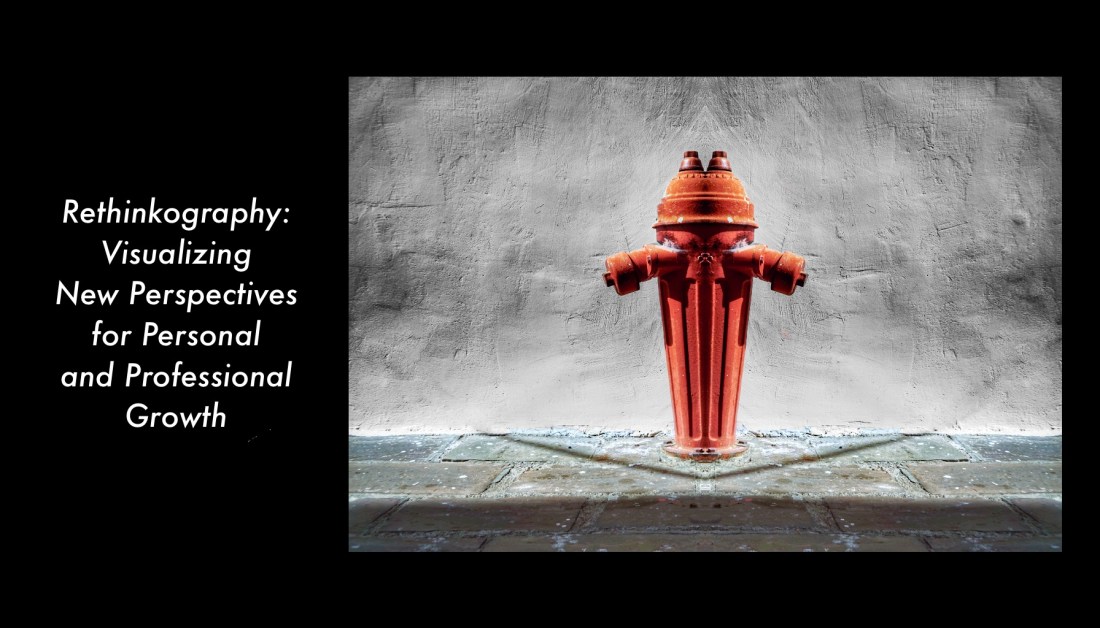
The Metaphor of the Image: A Fire Hydrant as a Symbol of Self-Management
The image of a fire hydrant represents a profound aspect of self-management: the ability to regulate and channel pressure effectively. A hydrant exists under constant internal pressure, yet this pressure is only released in a controlled and deliberate manner when required. This metaphor aptly applies to managing stress, emotional demands, and mental strain. The area of self-management addressed by this metaphor is stress regulation and emotional resilience, particularly the art of transforming internal pressure into productive energy without succumbing to its weight.
Einleitung: Weisheit der Antike trifft auf moderne Praxisführung
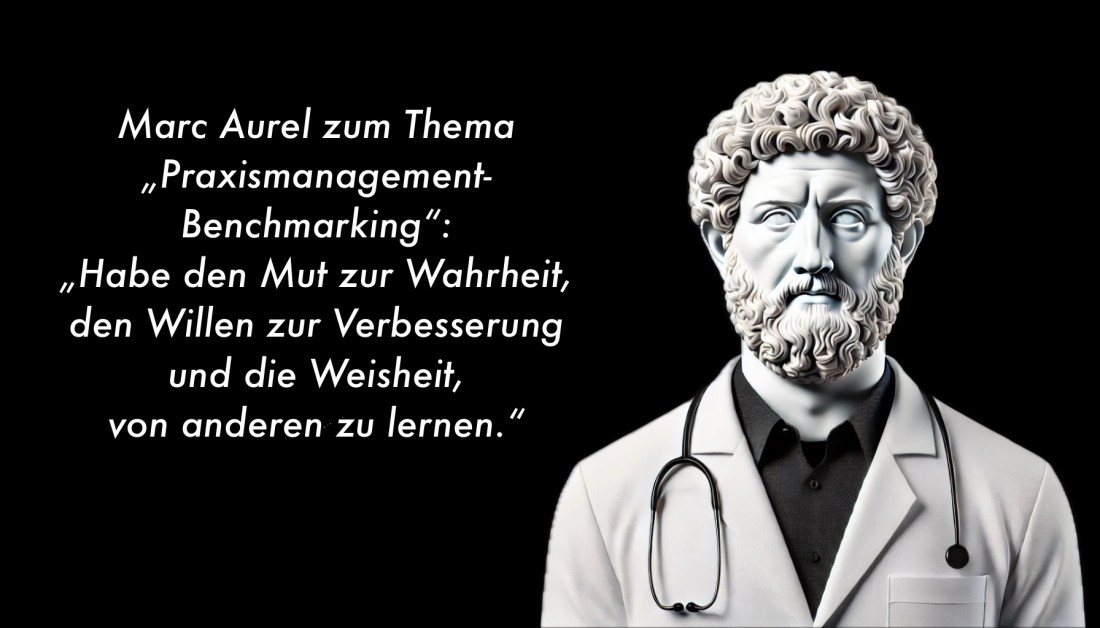
Marc Aurel, römischer Kaiser und Philosoph, ist vor allem durch sein Werk Selbstbetrachtungen bekannt, in dem er über Selbstreflexion, Disziplin und die Rolle der Vernunft im Leben nachdenkt. Obwohl seine Lebenswelt weit entfernt von der modernen medizinischen Praxis scheint, sind seine Prinzipien zeitlos. Niedergelassene Ärzte, die eine zukunftsorientierte und exzellente Praxisführung anstreben, können aus seinen Gedanken wertvolle Impulse ziehen. Würde Marc Aurel heute praktizierenden Ärzten einen Rat geben, so würde er ihnen zweifellos nahelegen, ein Praxismanagement-Benchmarking durchzuführen – als Teil eines philosophisch fundierten Best-Practice-Standards.
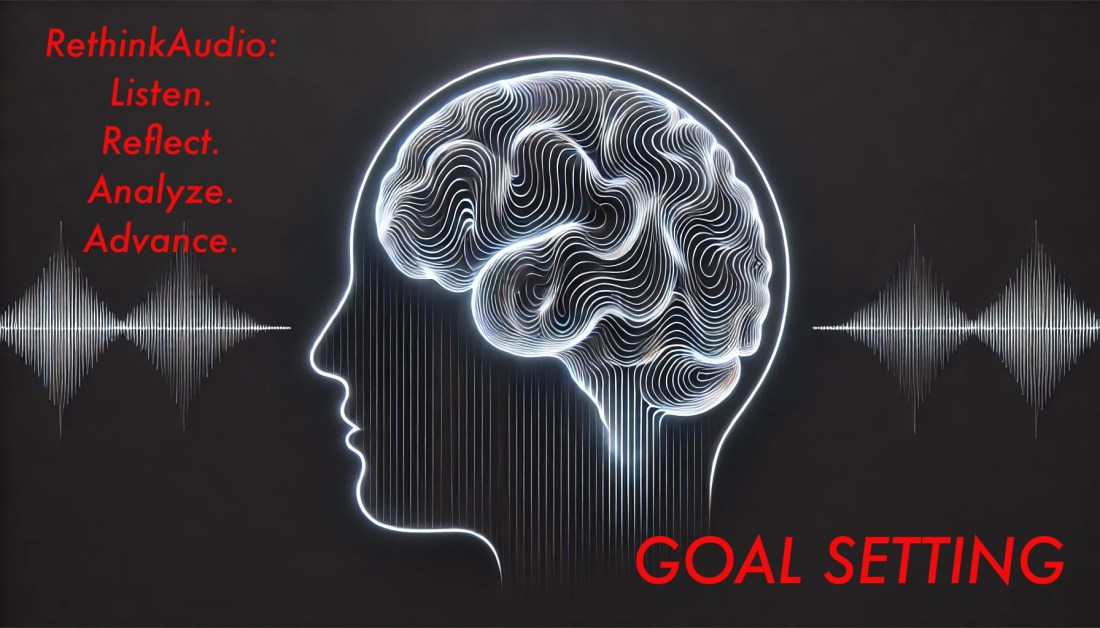
This Rethinking Impulse explores how leaders can transform abstract metrics into meaningful, purpose-driven goals using psychological insights, philosophical principles, and the R2A Formula: Reflect, Analyse, Advance.
A Rethinking Impulse by Klaus-Dieter Thill from Leaders Hill: „Healthy Leadership – Sustainable Results through Mental, Organisational, and Social Balance.“ Leaders Hill is part of „The Hill of Rethinking“, a knowledge sharing platform that empowers individuals to shape their present and future while offering leaders tools for personal and professional growth.
The Rethinking Impulse as a RethinkAudio – Listen. Reflect. Analyze. Advance.
What it’s all about
The demands placed on leaders have undergone a profound transformation in recent decades. Where once a clear focus on metrics and measurable outcomes reigned supreme, today’s professional landscapes call for a deep understanding of employees’ individual search for meaning. Modern managers face the challenge of translating abstract, quantitative corporate objectives into a narrative structure that holds significance and value for the entire team. Annual profits, monthly revenues, or other target-driven mandates can no longer be perceived as sterile indicators; instead, they must become signposts guiding a collective vision. Achieving this requires a deliberate and thoughtful application of psychological insights and philosophical principles.

 R2049
R2049 