This Rethinking Impulse explores the transformative power of authentic persuasion, challenging misconceptions and highlighting its role in fostering connection, empathy, and ethical communication.
Strukturion of Future Thinking
This Rethinking Impulse explores the transformative power of authentic persuasion, challenging misconceptions and highlighting its role in fostering connection, empathy, and ethical communication.
A Rethinking Impulse by Klaus-Dieter Thill, originating from the Base Hill section „Empowering Your Life for Lasting Fulfilment“. Base Hill is part of „The Hill of Rethinking“, a knowledge sharing platform that enables individuals to shape their present and future.
Persuasion is frequently misconstrued as a manipulative skill – a tool for advancing one’s own interests irrespective of the perspectives and needs of others. This misunderstanding is deeply entrenched in our cultural fabric. Many perceive persuasion as synonymous with vocal dominance or rhetorical prowess. Equally pervasive is the toxic belief that only charismatic or extroverted individuals possess the capacity to persuade. Another common fallacy is that persuasion is confined to professional domains, such as leadership, sales, or politics, while holding little relevance in private life.
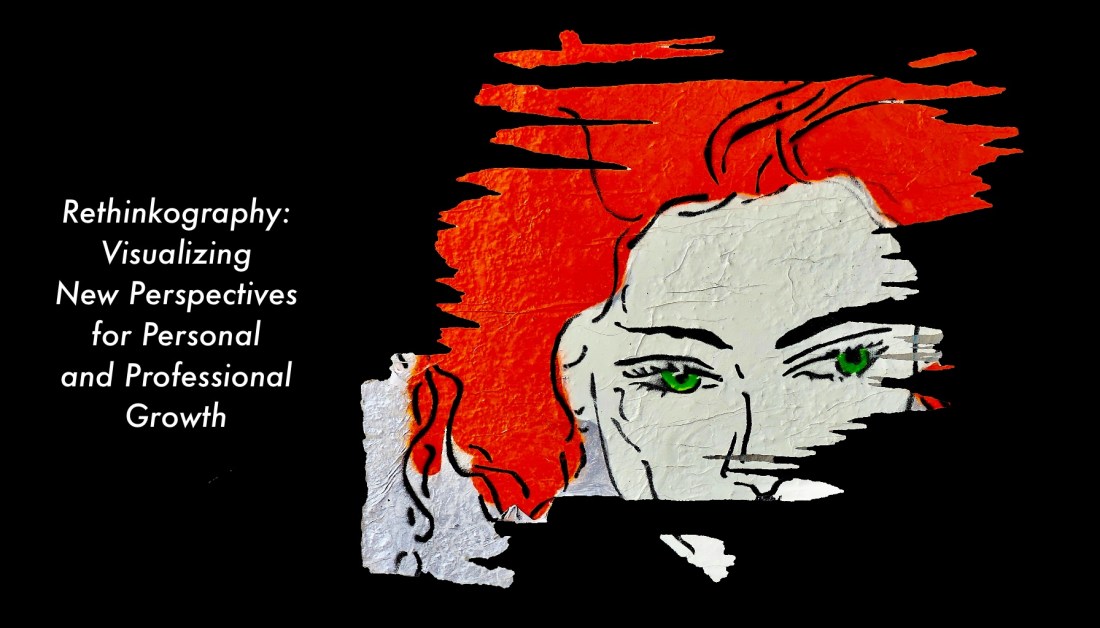
“Wholeness emerges when every fragment finds its place.”
The cover image – a drawing of a woman’s face, affixed on a paper to a wall and partially torn – serves as a profound metaphor for the human condition: incomplete, vulnerable, yet brimming with potential. It reflects the fragmentation that arises from inner conflicts, external pressures, or a lack of self-reflection. This metaphor encapsulates the domain of identity design and personality integration in self-management, where the aim is to acknowledge fractured or hidden aspects of the self and consciously weave them into a coherent whole.
This Rethinking Impulse explores how leaders can transform the toxic pursuit of self-optimisation into a path of authentic growth, balance, and sustainable excellence through reflection, analysis, and actionable change.

A Rethinking Impulse by Klaus-Dieter Thill from Leaders Hill: „Healthy Leadership – Sustainable Results through Mental, Organisational, and Social Balance.“ Leaders Hill is part of „The Hill of Rethinking“, a knowledge sharing platform that empowers individuals to shape their present and future while offering leaders tools for personal and professional growth.
Self-optimisation, a term that has gained widespread traction over recent decades, has evolved into a kind of modern creed. Yet, like any prevailing ideology, it carries inherent risks, particularly when rooted in misconceptions and distorted ideals. Many leaders fall prey to toxic mindsets that misconstrue self-optimisation as an unrelenting, and often hollow, pursuit of self-perfection. A pervasive fallacy suggests that only those who perpetually increase their performance can thrive in an ever-changing world. Such a belief disregards the finite nature of human resources, creating a culture steeped in perfectionism, overwork, and the erosion of inner balance.
Continue reading “Rethinking Self-Optimisation: From Toxic Illusions to Authentic Excellence”
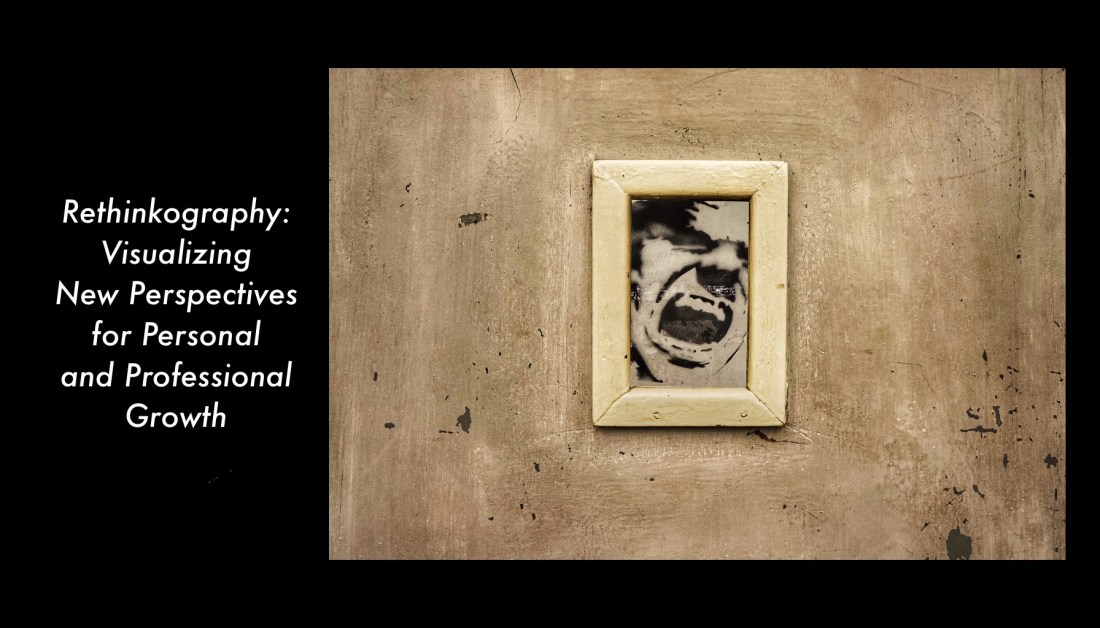
“I embrace my inner scream, freeing it from the frame of limitation, and I harness its message to craft a life of autonomy and purpose.”
The image portrays a scream, encapsulated and confined within a rigid, limiting frame. This artwork stands as a powerful metaphor for the inner outcry that many experience in the realm of self-management: the yearning to break free from constraining mindsets, repressive emotions, or entrenched societal roles. The frame symbolises the self-imposed or socially enforced boundaries that stifle authentic expression.

This Rethinking Impulse explores the transformation of the open-door policy from a symbolic gesture to an authentic leadership tool rooted in empathy, dialogue, and strategic self-management.
“Authentic openness is not about the door you leave ajar, but the presence you bring to the dialogue. Rethink your leadership: embrace empathy, establish boundaries, and transform openness into action-driven trust.”
The concept of the open-door policy is often cloaked in idealistic notions of transparency and accessibility. Yet, beneath this veneer lie entrenched misunderstandings and toxic mindsets. One pervasive misconception is that a perpetually open door inherently fosters trust and enhances communication. Many leaders presume that this practice demonstrates their approachability, overlooking the crucial fact that physical openness does not equate to emotional presence or psychological safety.
Continue reading “Rethinking the Open-Door Policy: Towards a New Leadership Culture”
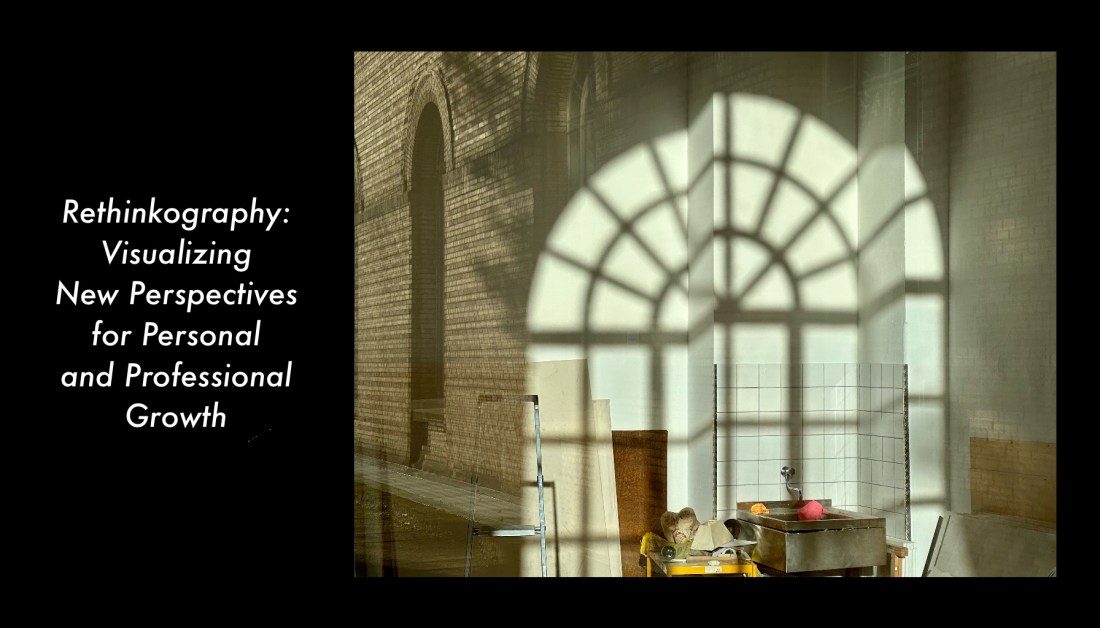
“I open the window of my mind, leave the shadows of old patterns behind, and embrace the clarity that emerges from new perspectives.”
The cover image captures the shadow of an architectural window cast upon a wall, symbolising the interplay of perspectives and perceptions within the domain of self-management. The window serves as a metaphor for the conscious and unconscious ways in which we view and interpret our reality. The shadows on the wall represent the interpretations, beliefs, and narratives we construct from our experiences and viewpoints.
Continue reading “Rethinkography: The Window of Perception in Self-Management”
This Rethinking Impulse explores the critical distinction between flexibility and agility in leadership, highlighting their unique roles in balancing stability, innovation, and effective team dynamics in a complex work environment.
.
 R2049
R2049 