Rethinking: Mediocrity – Why Settling for Average is the Greatest Risk for Leaders (THOR5089)

A Rethinking Impulse by Klaus-Dieter Thill

The Rethinking Impulse as a RethinkAudio – Listen. Reflect. Analyze. Advance.

How often have you reflected on your decisions recently?

Perhaps there have been moments when you felt things were “going well enough” – not exceptional, but not disastrous either. Yet, there remains that nagging sense that more could be achieved. This feeling points to a phenomenon that haunts many leaders throughout their careers: the complacency of mediocrity. It is not a loud or obvious state, but a subtle companion that gradually infiltrates thought patterns, decisions, and structures. Why, then, do so many leaders accept this state – and why is a radical act of rethinking essential to escape this trap?


Continue reading “Rethinking: Mediocrity – Why Settling for Average is the Greatest Risk for Leaders (THOR5089)”

RethinkAlert: When Critical Thinking Becomes a Barrier – The Vicious Cycle of a Toxic Mindset in Professional and Personal Life (THOR5116)

“Openness turns critique into opportunity.”

What it’s all about

In a world where critical thinking is celebrated as the pinnacle of intellectual virtue, an insidious danger lurks beneath the surface: the very potential of this faculty is inverted by the grip of a toxic mindset. Instead of driving solutions and fostering new opportunities, destructive hypercriticism, dogmatism, and a refusal to embrace alternative perspectives obstruct personal growth and professional success. But how does such a mindset take root, and more importantly, how can it be overcome?

Continue reading “RethinkAlert: When Critical Thinking Becomes a Barrier – The Vicious Cycle of a Toxic Mindset in Professional and Personal Life (THOR5116)”

Rethinking: Medusa – Why Leadership is More Than Control (THOR5084)

A Rethinking Impulse by Klaus-Dieter Thill

The Rethinking Impulse as a RethinkAudio – Listen. Reflect. Analyze. Advance.

What it’s all about

The ancient figure of Medusa has retained its symbolic power across centuries. Her penetrating gaze, capable of turning all life into stone, serves as a metaphor for power, fear, and paralysis. But what happens when we transpose this image into the realm of leadership? In many organisations, there persists a mindset resembling the belief that control and authority can only be ensured through rigidity and aloofness. The need for rethinking this perspective is evident, as such notions act like an invisible toxin, burdening the dynamic between leaders and their teams.

Continue reading “Rethinking: Medusa – Why Leadership is More Than Control (THOR5084)”

RethinkAlert: “I Am Not Good Enough” – The Invisible Chains of Self-Doubt and How to Break Free (THOR5108)

“I am enough to create the life I deserve – starting now.”

The Roots of Feeling Inadequate

The thought “I am not good enough” resonates deeply within many of us. But where does this paralyzing belief originate? Its roots often lie buried in societal norms, upbringing, and personal experiences. Societal expectations instil in us, from an early age, the notion that only the best are worthy of recognition – a subtle yet relentless pressure that follows us through school, careers, and personal relationships.

Continue reading “RethinkAlert: “I Am Not Good Enough” – The Invisible Chains of Self-Doubt and How to Break Free (THOR5108)”

Rethinking: Effizienz – Warum sie die unternehmerische Eigenverantwortung von Ärzten prägt

„Effizienz ist die ärztliche Verpflichtung, Ressourcen sinnvoll zu nutzen, Qualität zu steigern und Stabilität nachhaltig zu sichern.“

Effizienz und Eigenverantwortung – Begriffsdefinitionen im Kontext der Arztpraxis

Effizienz und unternehmerische Eigenverantwortung sind Schlüsselbegriffe für das erfolgreiche Praxismanagement. Der Begriff „Effizienz“ bezeichnet dabei die Fähigkeit, mit minimalem Ressourcen-Einsatz ein gewünschtes Ziel zu erreichen. Sie bedeutet in der Praxis, dass Zeit, Personal und Budget optimal genutzt werden, um die Patientenversorgung zu maximieren, ohne dabei Ressourcen zu verschwenden. Effizienz ist garantiert, wenn bei der Praxisführung der Best Practice-Standard weitgehend umgesetzt ist. Diese Leitlinie bezeichnet alle Instrumente, Regelungen und Verhaltensweisen, die für eine auch unter wechselnden Anforderungen reibungslos funktionierende Arbeit unerlässlich sind.

Continue reading “Rethinking: Effizienz – Warum sie die unternehmerische Eigenverantwortung von Ärzten prägt”

RethinkAlert: The Multitasking Myth – How Juggling Too Much Harms Your Mind and Success (THOR5102)

“True mastery lies not in doing it all but in doing what matters with clarity and purpose.”

The Roots of Multitasking: A Cultural and Psychological Analysis

The belief that we can seamlessly handle multiple tasks at once has become a badge of honour in our hyperproductive world. From early education to corporate environments, we are conditioned to believe that the ability to multitask signals intelligence, efficiency, and competence.

Continue reading “RethinkAlert: The Multitasking Myth – How Juggling Too Much Harms Your Mind and Success (THOR5102)”

Rethinking for Leaders: The Tetralemma Principle – Decisions Beyond the Either-Or Paradigm (THOR5080)

A Rethinking Impulse by Klaus-Dieter Thill

The Rethinking Impulse as a RethinkAudio – Listen. Reflect. Analyze. Advance.

Misconceptions, Toxic Perspectives, and Misunderstandings Surrounding the Tetralemma Principle

The Tetralemma Principle is frequently misunderstood. It is often dismissed as a purely theoretical construct with little practical applicability. Many perceive it as a convoluted philosophy, devoid of tangible relevance. Another widespread assumption reduces it to a mere decision-making tool designed to expand the binary conflict between “yes” and “no.” Such misinterpretations fail to grasp the profound depth of this model, which extends far beyond rational problem-solving by incorporating systemic, emotional, and intuitive dimensions.

Continue reading “Rethinking for Leaders: The Tetralemma Principle – Decisions Beyond the Either-Or Paradigm (THOR5080)”

RethinkingToGo: Mastering the Art of Negotiation (THOR5101)

“Rethink, strategize, succeed – negotiation starts in your mind.”

Introduction

Negotiation is a cornerstone of our professional and personal lives. Whether navigating salary discussions, closing deals, or managing everyday agreements, successful negotiation requires clarity, strategy, and finesse. Yet, for many, the process is fraught with anxiety, hesitation, or a lack of direction, often culminating in suboptimal outcomes.

Continue reading “RethinkingToGo: Mastering the Art of Negotiation (THOR5101)”

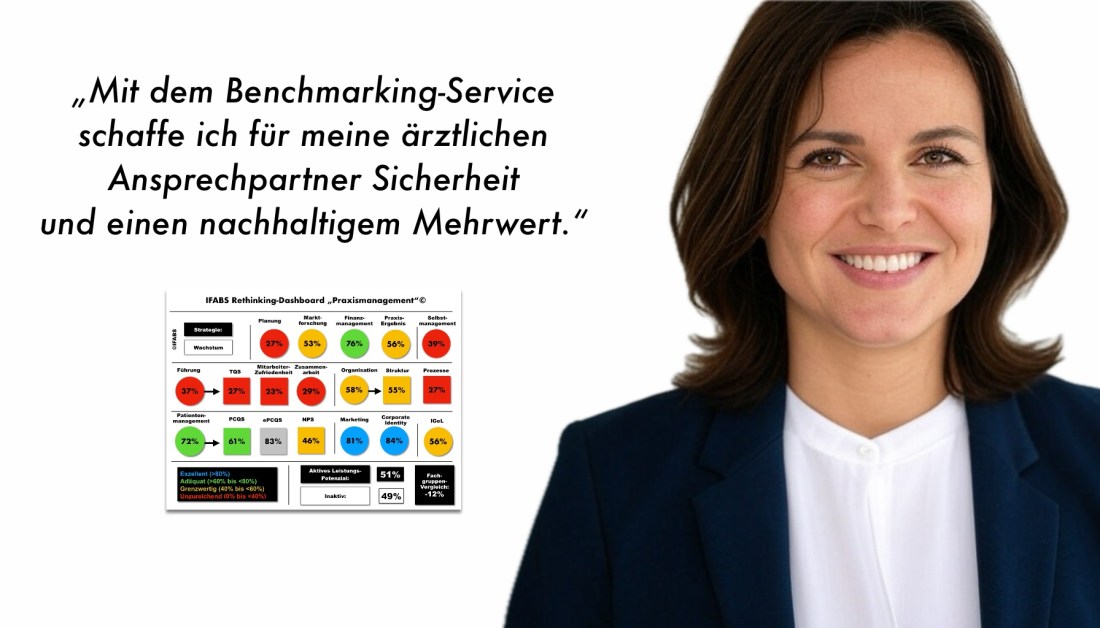
Sicherheit für Haus- und Fachärzte schaffen: Warum das Praxismanagement-Benchmarking als Service-Tool für den Pharma-Außendienst unverzichtbar ist (THOR5103)

„Sicherheit stärkt Vertrauen – Benchmarking schafft Klarheit und Erfolg.“

Worum es geht

In einer Zeit, die von Unsicherheit und schnellen Veränderungen geprägt ist, gewinnt Sicherheit immer mehr an Bedeutung. Für Haus- und Fachärzte bedeutet dies, sich darauf verlassen zu können, dass die Praxisführung nicht nur funktioniert, sondern auch zukunftssicher gestaltet ist. Das Praxismanagement-Benchmarking ermöglicht, genau diese Sicherheit zu schaffen. Als Service-Leistung des Pharma-Vertriebs eingesetzt, bietet es klare Orientierung und generiert langfristigen Mehrwert für die Praxisarbeit.

Continue reading “Sicherheit für Haus- und Fachärzte schaffen: Warum das Praxismanagement-Benchmarking als Service-Tool für den Pharma-Außendienst unverzichtbar ist (THOR5103)”

Rethinking: The Janus Effect – The Hidden Duality of Leadership and Its Transformative Power (THOR5078)

A Rethinking Impulse by Klaus-Dieter Thill

The Rethinking Impulse as a RethinkAudio – Listen. Reflect. Analyze. Advance.

Misconceptions, Misinterpretations, and Toxic Mindsets

The term “Janus Effect” evokes a fascinating symbolism: it refers to the dual perspective embodied by Janus, the Roman deity with two faces, gazing simultaneously into the past and the future. Yet, this symbolic ambiguity often gives rise to misunderstandings and misinterpretations, which can have toxic repercussions, particularly in the realms of leadership and self-management. The Janus Effect is frequently associated with duplicity, dishonesty, or ambivalent behaviour. Leaders who navigate between multiple perspectives risk being perceived as opportunistic, insecure, or manipulative. Such misjudgments stem from a failure to grasp the depth and value of dualistic thinking, thereby preventing leaders from harnessing the potential of this mindset within themselves or their teams.

Continue reading “Rethinking: The Janus Effect – The Hidden Duality of Leadership and Its Transformative Power (THOR5078)”