Rethinkography: The Delicate Balance between Structure and Self-Realisation

A Rethinking Impulse by Klaus-Dieter Thill

What It’s About

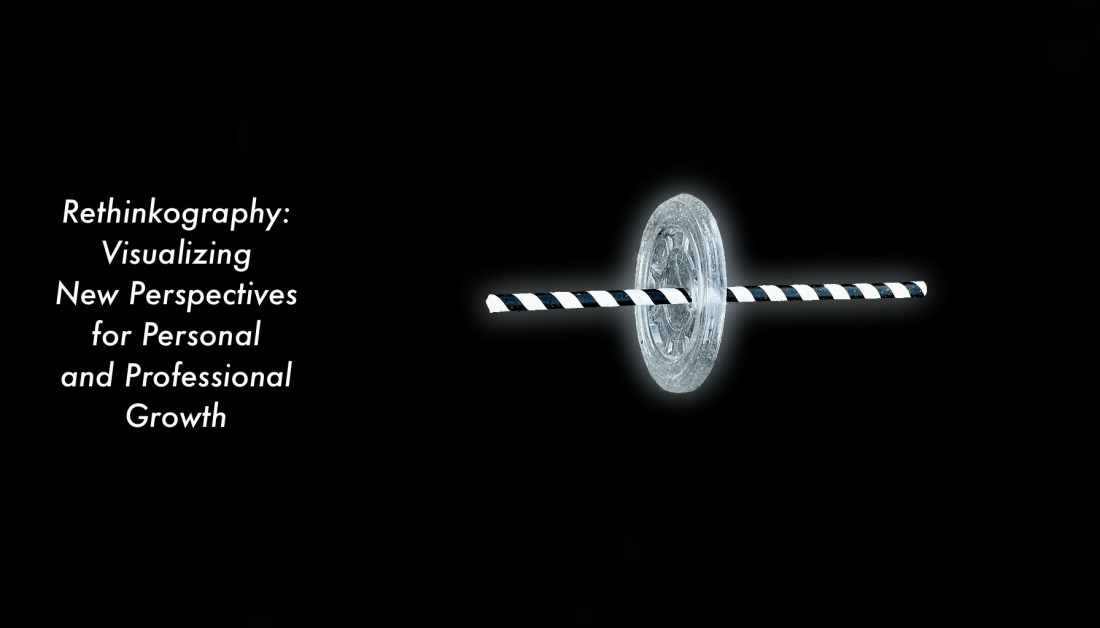
The uploaded image, capturing the lid of a plastic beverage cup pierced by a straw, unfolds as a richly layered metaphor within the realm of self-management. Here, the lid symbolises the system or framework in which we operate – whether societal norms, professional structures, or personal routines. The straw, threading through this lid, serves as a conduit or channel through which energy, information, and resources flow. The straw’s directional alignment underscores the focus required in our actions and decisions to prevent the erosion of our unique identity within a world that so often feels preordained.

Continue reading “Rethinkography: The Delicate Balance between Structure and Self-Realisation”
Leadership: Will AI Take Over My Job?

A Rethinking Impulse by Klaus-Dieter Thill

The Issue at Hand

In recent years, the rapid evolution of Artificial Intelligence (AI) has undeniably demonstrated its potential to fundamentally transform the business world. Particularly in the realm of process automation, leaders across the globe have cautiously begun to recognise and harness the benefits of AI. From automating repetitive tasks to enhancing data processing efficiency, the introduction of AI-based systems has already brought tangible advantages to many organisations.
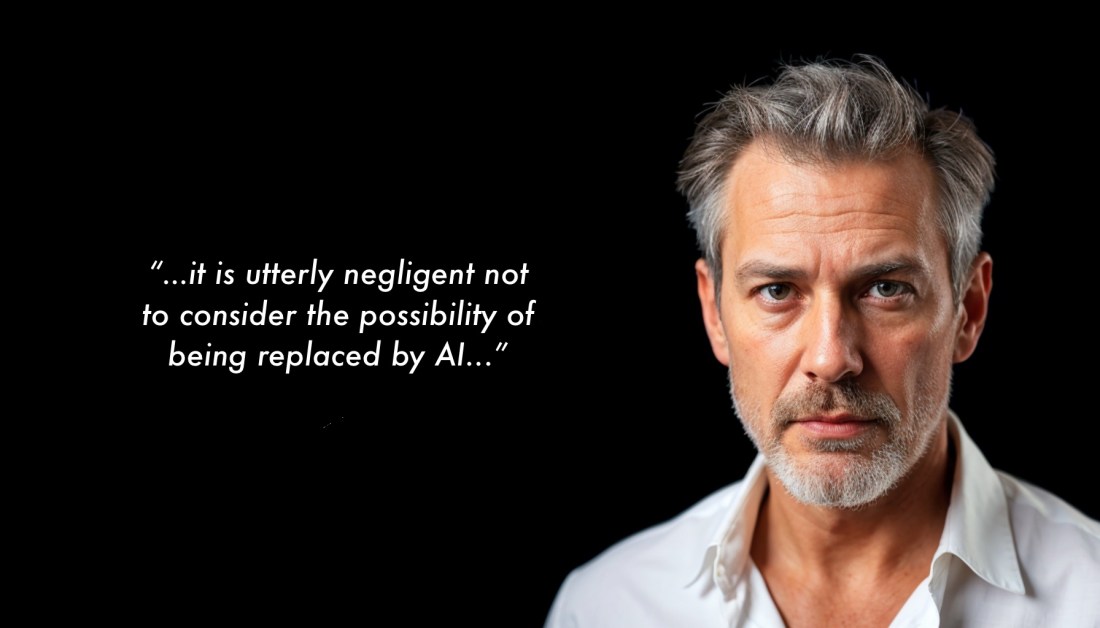
Yet, despite these technological advancements, a critical issue remains largely unaddressed: the potential replacement of leaders themselves by AI. Few take the time to reflect on the fact that AI could one day replace them too. This blind spot in understanding AI stems not only from a lack of engagement with the technology but also from deeper structural and psychological reasons that prevent leaders from fully confronting the possibility of their own dispensability.

The Article as a RethinkAudio – Listen. Reflect. Analyze. Advance.

Continue reading “Leadership: Will AI Take Over My Job?”

Rethinking Leadership: The Flywheel Concept as the Key to Sustainable Success in the Digital Age

A Rethinking Impulse by Klaus-Dieter Thill

What It’s About

The Flywheel concept, first introduced by Jim Collins in his work on corporate leadership, is a revolutionary approach aimed at propelling organisations into a self-sustaining cycle of success through continuous momentum. Yet, to fully grasp and apply this concept as a leader, a profound, multi-faceted rethinking is required – a fresh approach to thinking that embraces philosophical, psychological, depth psychology, and occupational psychology perspectives. What does it mean to truly understand the Flywheel in the context of modern leadership, and how can it be effectively implemented in an ever-digitising world? This essay explores the various dimensions of the Flywheel concept, demonstrating why it is critical for self-management and leadership practices in the contemporary landscape.

The Article as a RethinkAudio – Listen. Reflect. Analyze. Advance.

Continue reading “Rethinking Leadership: The Flywheel Concept as the Key to Sustainable Success in the Digital Age”

Rethinking Leadership: The Second Brain Method as a Key to Success in the Digital Age

A Rethinking Impulse by Klaus-Dieter Thill

What it’s all about

In today’s complex work environment, characterised by a constant flow of information and increasing digital demands, leaders are expected not only to be agile and flexible but also to develop a profound structure in their self-management. This is where the “Second Brain” method by Tiago Forte comes into play. It offers an innovative approach to organising thoughts and information in a way that not only enhances leaders’ efficiency but also sustainably improves their creative and strategic abilities. But what are the deeper implications and challenges of this method from a rethinking perspective, and why should it be seen as particularly relevant in the context of digitisation?

The Article as a RethinkAudio – Listen. Reflect. Analyze. Advance.

Continue reading “Rethinking Leadership: The Second Brain Method as a Key to Success in the Digital Age”

Employee Assistance Programmes: A Rethinking Tool for Forward-Thinking Leaders

A Rethinking Impulse by Klaus-Dieter Thill

What it’s all about

In a workplace increasingly characterised by complexity and rapid change, Employee Assistance Programmes (EAPs) are assuming a pivotal role in corporate leadership. Far beyond their purely administrative function, these programmes reflect a deeply embedded ethical and psychological understanding of leadership. They signify a shift from the traditional performance- and outcome-driven leadership approach towards a more human-centred philosophy, placing both employee wellbeing and sustainable corporate success at the heart of leadership. From the perspective of the necessity for rethinking, this discussion explores the philosophical, psychological, and occupational psychological dimensions of Employee Assistance Programmes, examining how they shape both a leader’s self-management and their relationships with employees in both the present and future.

The Article as a RethinkAudio – Listen. Reflect. Analyze. Advance.

Continue reading “Employee Assistance Programmes: A Rethinking Tool for Forward-Thinking Leaders”

Rethinking Leadership: Alone or Together?

A Rethinking Impulse by Klaus-Dieter Thill

What it’s all about

In an increasingly interconnected and complex world, the concept of leadership is being redefined. “Co-Leadership” – the idea of shared leadership – brings profound changes that not only revolutionise leadership management but also the self-perception and self-management of leaders. To understand the relevance and transformative potential of Co-Leadership, a thorough analysis is required from philosophical, psychological, and depth-psychological perspectives. This essay highlights the aspect of “rethinking” as the necessary foundation to demonstrate how Co-Leadership is gaining importance in the context of digitisation and the future of work.

Continue reading “Rethinking Leadership: Alone or Together?”

Rethinkography: The Closed Door – A Metaphor for Self-Management in Life and Work

A Rethinking Impulse by Klaus-Dieter Thill

What it’s all about

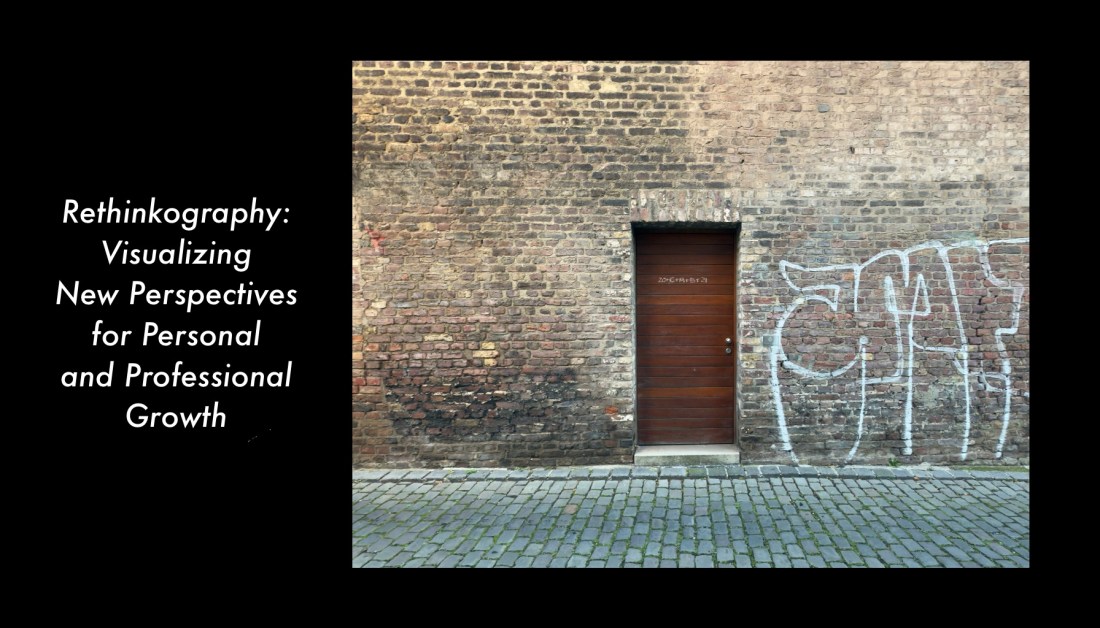
The title image presents us with a seemingly mundane yet deeply symbolic visual – an old brick wall, worn with time, featuring a single wooden door framed tightly within it. This door is closed, its frame strong, the bricks around it coarse and irregular, as if shaped by the passage of many years. On the right side, graffiti splashes across the wall, a fleeting expression against the otherwise firm, structured masonry. At first glance, this door may seem insignificant or even unremarkable. But upon closer reflection, it reveals itself as a profound metaphor for the boundaries, opportunities, and transformations in our personal and professional lives. It evokes questions about the choices we make, the obstacles we face, and the way we navigate both the inner and outer worlds that structure our existence.

Continue reading “Rethinkography: The Closed Door – A Metaphor for Self-Management in Life and Work”

Rethinking Leadership: The Ideal Day

A Rethinking Impulse by Klaus-Dieter Thill

Introduction: The Power of Imagination

In a context of constant change, increasing complexity, and growing pressure, the ability to envision an ideal working day stands as a powerful tool for self-leadership. For leaders who often juggle numerous responsibilities and make pivotal decisions, the conscious visualisation of a perfect day serves not only as a source of motivation but also as a guide for effective self-management. This text examines the significance of this practice from the perspectives of philosophy, psychology, and self-management.

Continue reading “Rethinking Leadership: The Ideal Day”

Rethinking Leadership: The Casual Haze Phenomenon

A Rethinking Impulse by Klaus-Dieter Thill

The Core Idea

“Casual Haze” – a phenomenon that may initially seem insignificant – carries profound implications for both personal self-management and leadership skills in modern working environments. The term describes that subtle form of vagueness and uncertainty that arises from a facade of casualness. It isn’t an obvious fog, but rather an elusive twilight that clouds decisions, actions, and interpersonal interactions. This “casual haze” obscures the clear view of priorities, goals, and responsibilities.

Continue reading “Rethinking Leadership: The Casual Haze Phenomenon”