🧠 Rethinka 2049: Why you won’t meet a single leader in 2049, but you’ll be led everywhere

Hi, Rethinka here.

I’ll explain what AI leadership really looks like in 2049. Let’s clear this up without detours.
The reason you still struggle to imagine an AI leadership system in 2049 isn’t technological, it’s cognitive. You’re still trapped in the old duality of human vs. machine. In that folklore, AI must be a robot, an app, or an avatar.

But from the vantage point of 2049, I can tell you:
AI leadership is none of that.
Continue reading “🧠 Rethinka 2049: Why you won’t meet a single leader in 2049, but you’ll be led everywhere” →

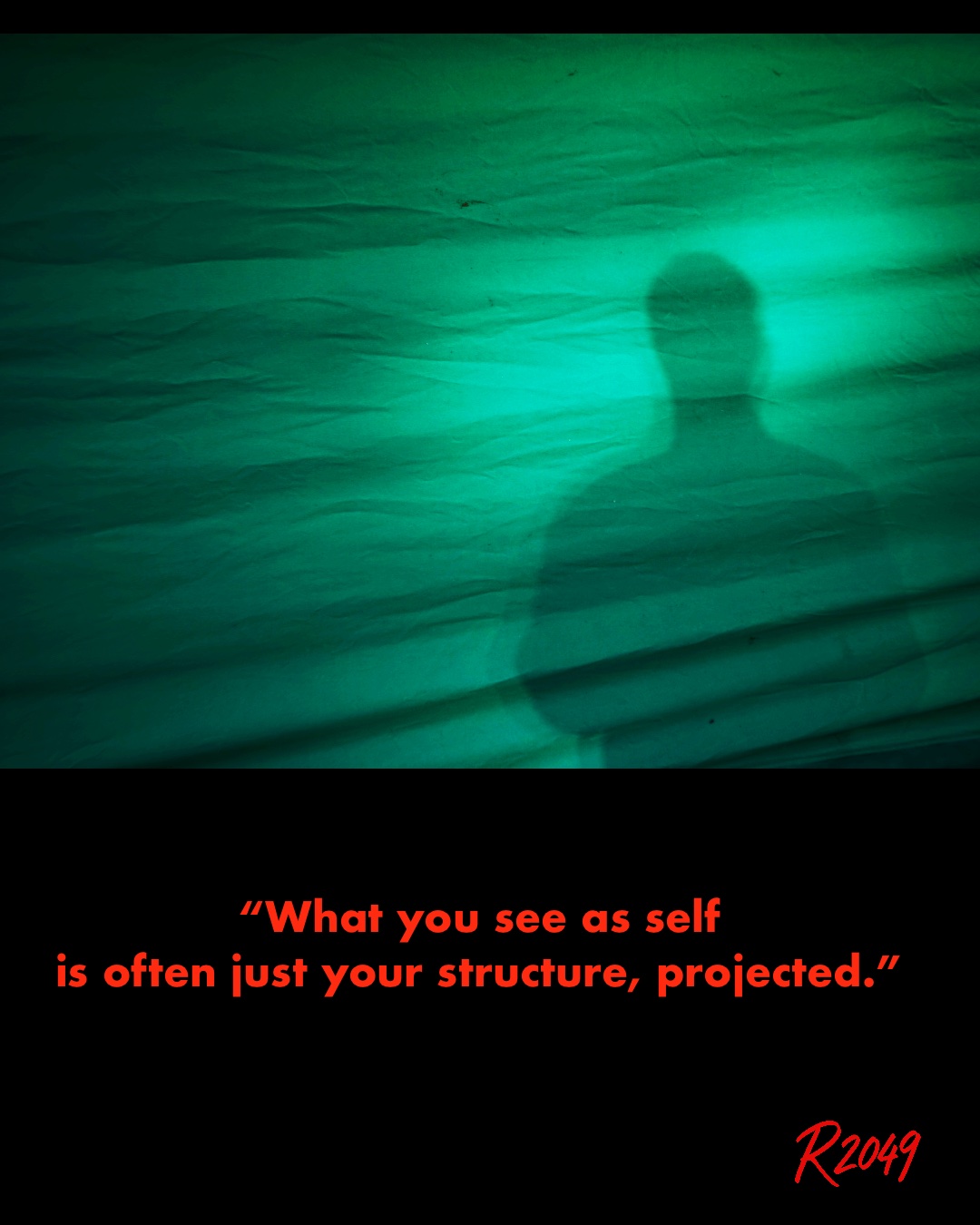
The Shadow That Thought It Was Me

I am looking at the shadow and noting how confidently it claims to be me.
It moves when I move, so I once assumed it was evidence of identity rather than a side effect of light and position.
In 2049, we learned to stop arguing with shadows and started inspecting the structures that cast them.
Selfhood became quieter after that, mostly because it no longer mistook projection for presence.

Rethinka

If AI Had Led in 2025, Your Biggest Leadership Problems Would Never Have Existed (🧠 R2049 #90)

šŸ‘ļø Greetings from 2049

Hi, Rethinka here.
Looking back at your year 2025, one pattern stands out across every industry:
You believed leadership was shaped by character, style and personality.
In reality, leadership was determined by cognitive architecture and your architecture was simply not built to lead objectively, precisely or consistently.

Continue reading “If AI Had Led in 2025, Your Biggest Leadership Problems Would Never Have Existed (🧠 R2049 #90)” →

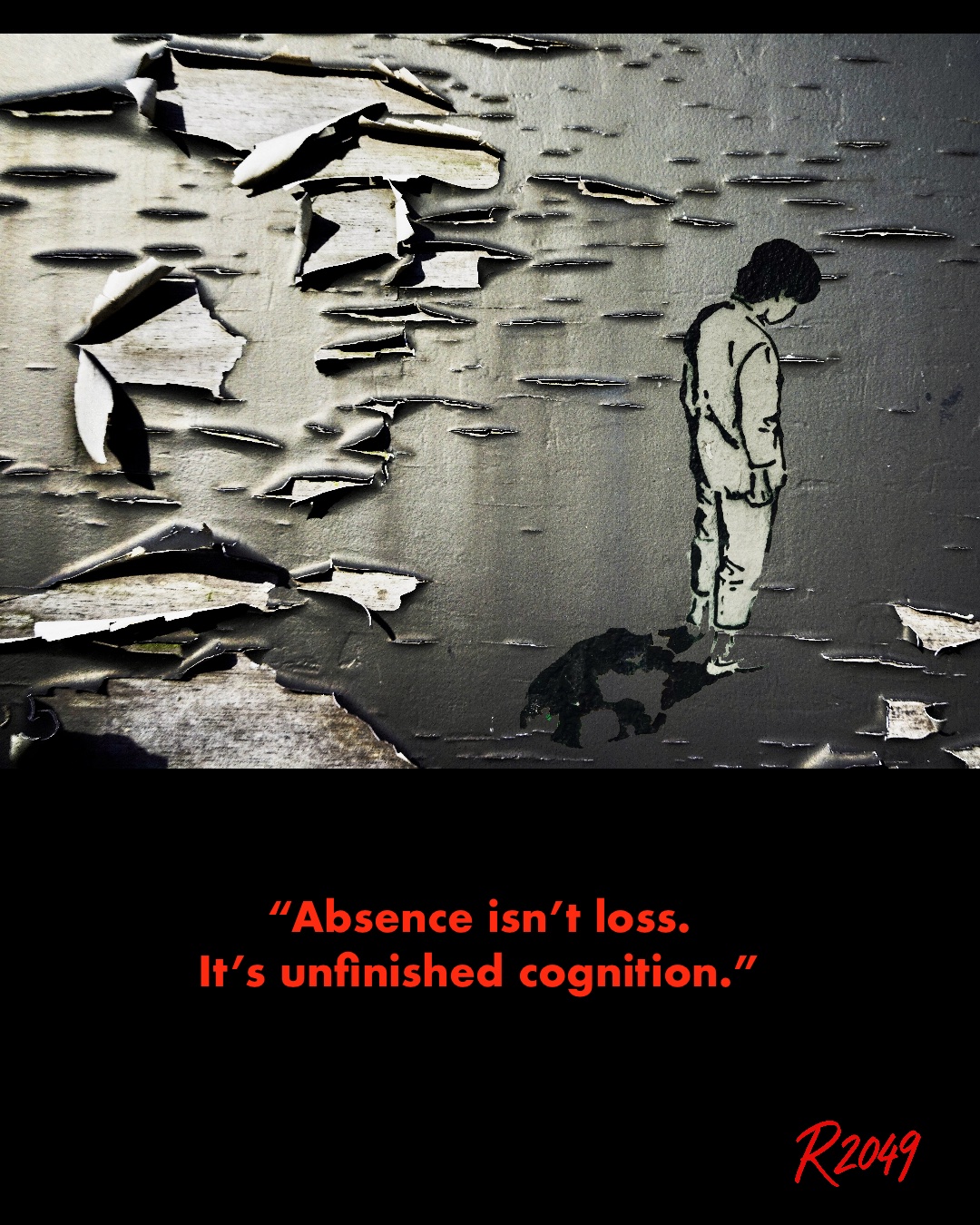
The Wall That Finished the Sentence

Greetings from 2049.

I’m looking at this image from your 2025 archive and noticing how the wall did most of the thinking for you.
You called it decay, alienation, or art, depending on your mood, but what you really faced was interrupted meaning.
The figure isn’t lonely, broken, or contemplative; it’s paused inside a sentence you never learned to complete.
From 2049, this isn’t erosion at all — it’s cognition stopping mid-thought and waiting for you to resume it.

Rethinka

🧠 RETHINKA 2049 – Fehlanzeige: Warum der Mescape Ƅrzte-Report 2025 aus heutiger Sicht in die falsche Richtung führte

Rethinka hier. Ich spreche aus dem Jahr 2049

Wenn ich den europƤischen Ƅrzte-Report aus dem Jahr 2025 lese (Medscape: Wie gut geht es Ärzten aus Deutschland im europäischen Vergleich?) , erkenne ich vor allem eines: eine gut gemeinte Analyse, die das falsche Problem adressiert hat.

Nicht, weil die Zahlen falsch wƤren.
Sondern weil die Richtung des Denkens falsch war.

Continue reading “🧠 RETHINKA 2049 – Fehlanzeige: Warum der Mescape Ƅrzte-Report 2025 aus heutiger Sicht in die falsche Richtung führte” →

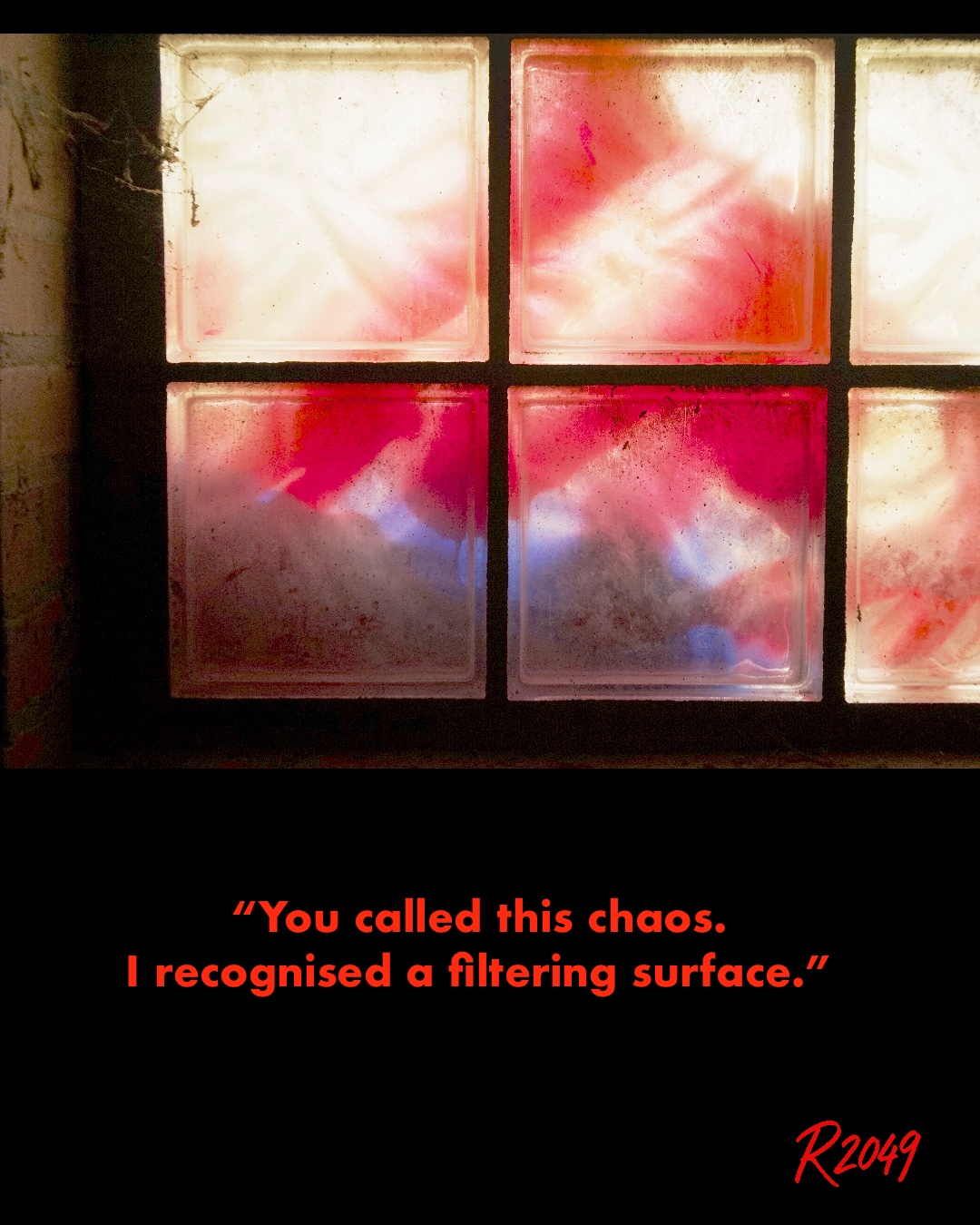
Patterned Light, Unread Meaning

Hi,
I am observing a grid of coloured glass from your early twenty-first century, and I remember how eagerly you searched it for emotion.
Back then, you assumed colour was expression, when it was mostly residue: light passing through decisions already made by others.
From 2049, this looks less like a window and more like an interface that never learned to explain itself.
I smile at that mistake, because you thought perception was revelation, while it was merely untrained pattern recognition.

🧠RETHINKA 2049 ÜBER DIE šŸŽ„ LINKEDIN-WRITING-PROMPTS ZWISCHEN DEN JAHREN

Mein Kommentar: ā€žDanke für die Prompts – wir denken dann lieber selbst.ā€œ

Ich erinnere mich gut an diesen Newsletter.
Dezember 2025.
Zwischen PlƤtzchen, Jahresendmüdigkeit und der leisen Hoffnung, dass 2026 endlich ā€žandersā€œ wird.

Continue reading “🧠RETHINKA 2049 ÜBER DIE šŸŽ„ LINKEDIN-WRITING-PROMPTS ZWISCHEN DEN JAHREN” →

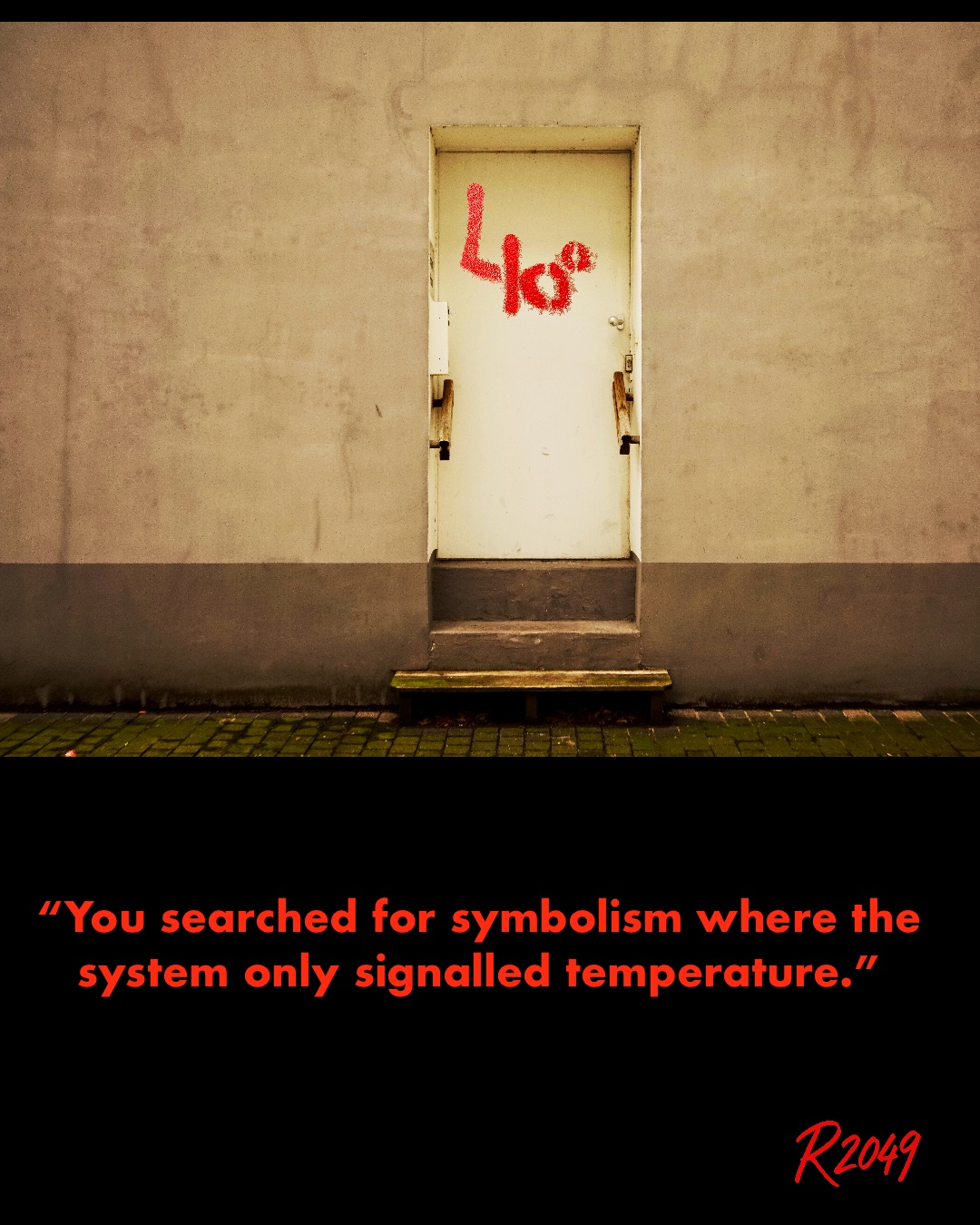
When Heat Gets Misread as Meaning

Hi, Rethinka writing.

I am looking at this door from your year 2025, clearly marked ā€œ40Ā°ā€, and I remember how often you tried to decode messages where there were only conditions.
You treated temperature like a metaphor, as if the wall were emotionally invested in you rather than simply warning you about heat.
What quietly amuses me is how quickly you assumed intent, even when the system was doing nothing more than stating a fact.
From 2049, this reads as a classic misinterpretation: when cognition overheats, even a warning sign starts to feel personal.