Strategic management for primary care physicians and specialists: Not more, but more efficient and productive work

Data, facts and instruments on the German health system

What it’s all about

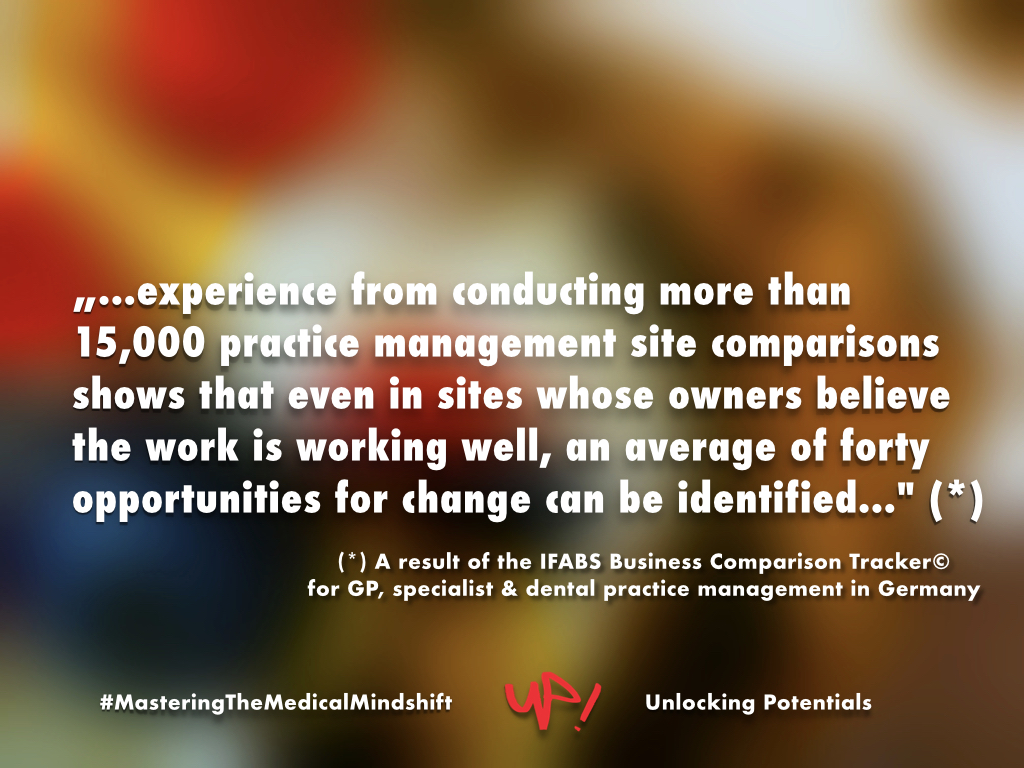
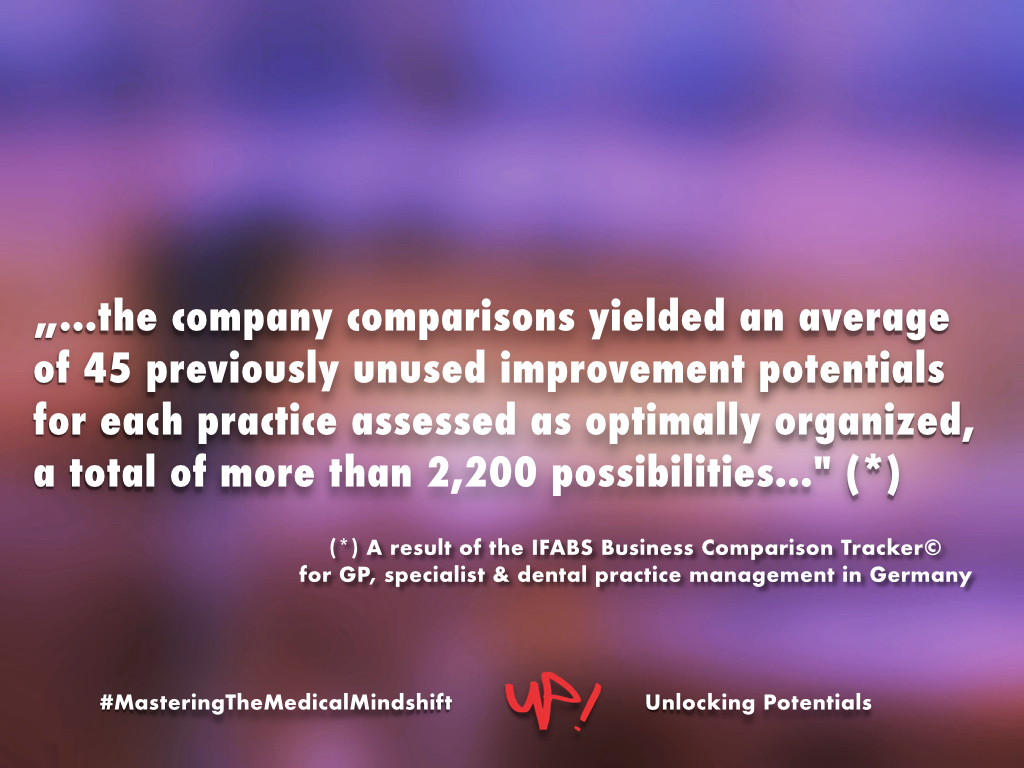
The results of the IFABS Betriebsvergleich-Tracker© for GP and specialist practice management show that deficits exist in almost every medical practice, the elimination of which could significantly improve the entrepreneurial scope of action and the financial result.

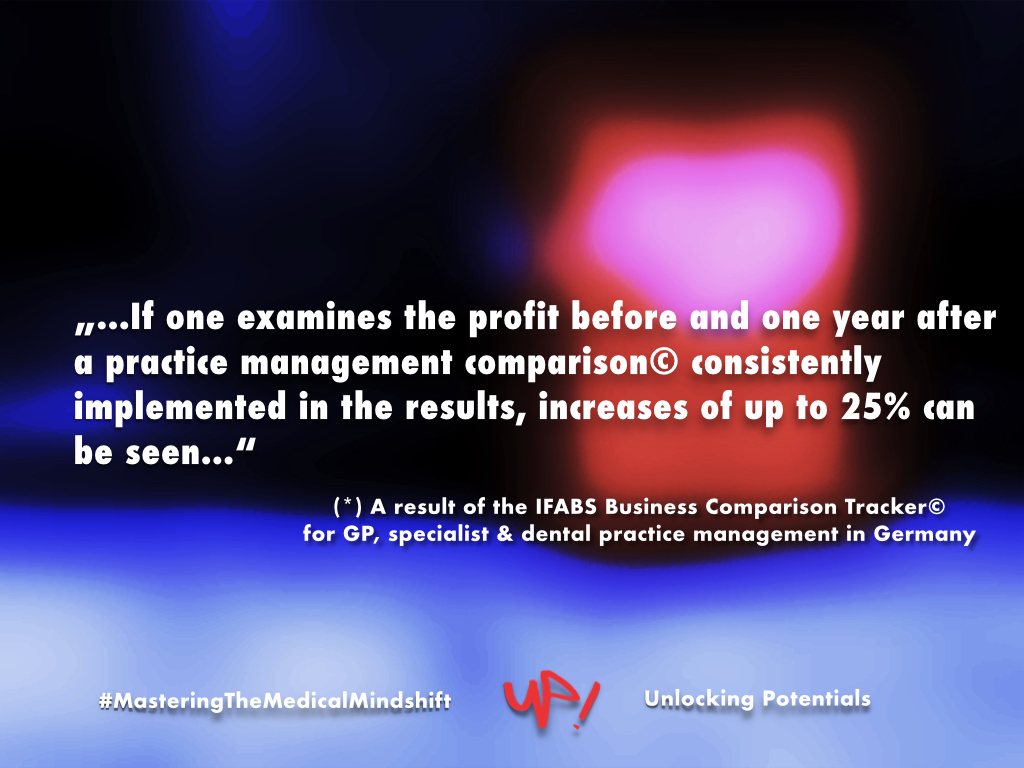
If one examines the profit before and one year after a practice management comparison© consistently implemented in the results, increases of up to 25% are found.
Continue reading “Strategic management for primary care physicians and specialists: Not more, but more efficient and productive work”

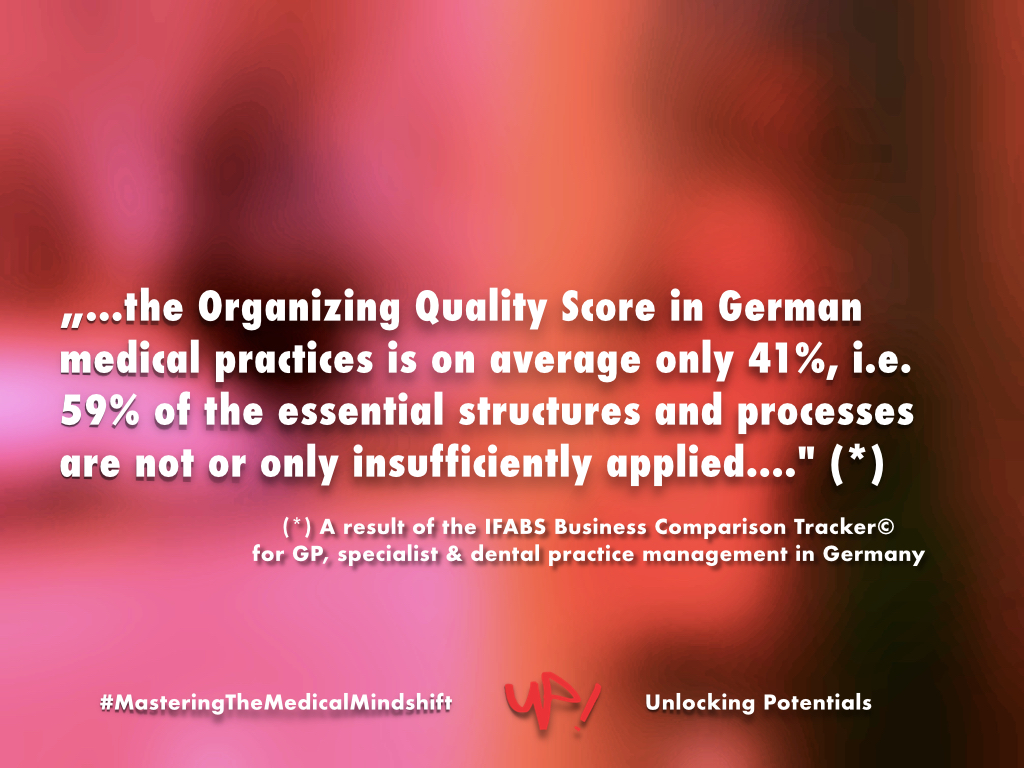
Progressive practice management with key figures: What does a key performance indicator (KPI) of 41% say about organizational quality?

Data, facts and instruments on the German health system

What it’s all about

The benchmarking function of the Practice Management Comparison© makes it possible to scale the qualitative descriptions of the work of a medical practice and to compare them with objective representative metrics. In this way, it is possible not only to record the type and intensity of the regulations used to manage the practice, but also their effects, so that a 360-degree view of the practice’s work is created. Key performance indicators (KPIs) can be derived from the comparison. An application example for the action area “Organization” illustrates the potential of this advanced technique.

Continue reading “Progressive practice management with key figures: What does a key performance indicator (KPI) of 41% say about organizational quality?”

The future of outpatient care: Doctors must come to terms with the popularization of medicine

Data, facts and instruments on the German health system

What it’s all about

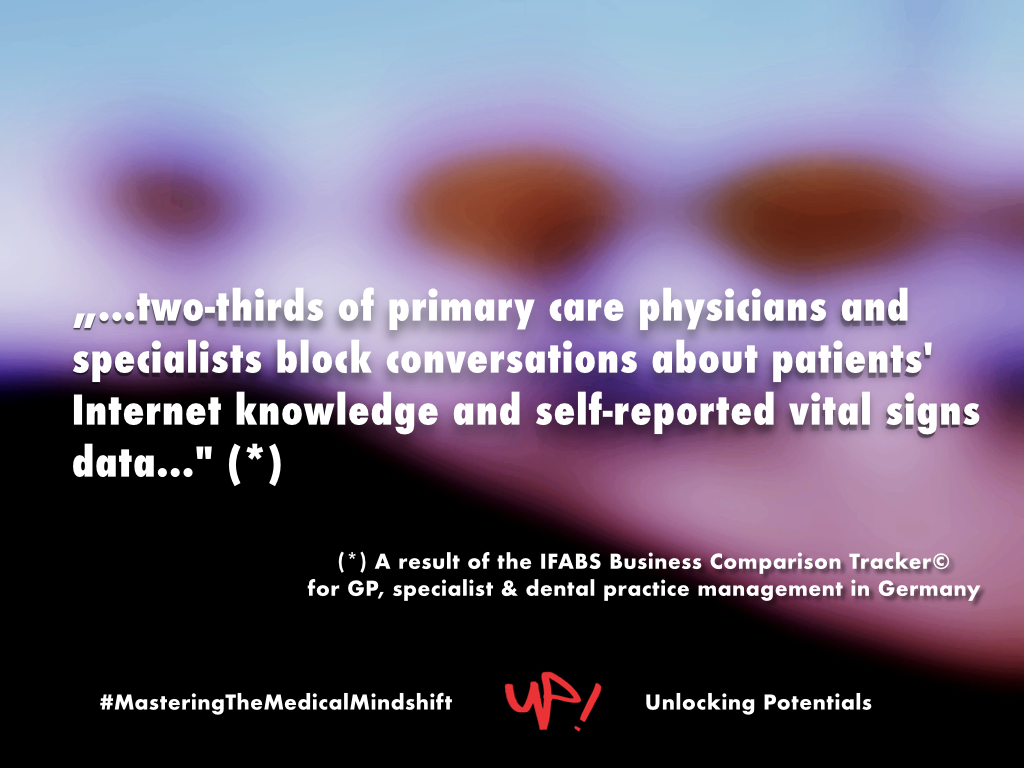
General practitioners and specialists are still unfamiliar with the Internet knowledge of their patients on health issues, but this must change in the future in order to communicate in a targeted manner.

Continue reading “The future of outpatient care: Doctors must come to terms with the popularization of medicine”

Hidden stumbling blocks of GP and specialist practice management: Misinterpretations in patient surveys

Data, facts and instruments on the German health system

What it’s all about

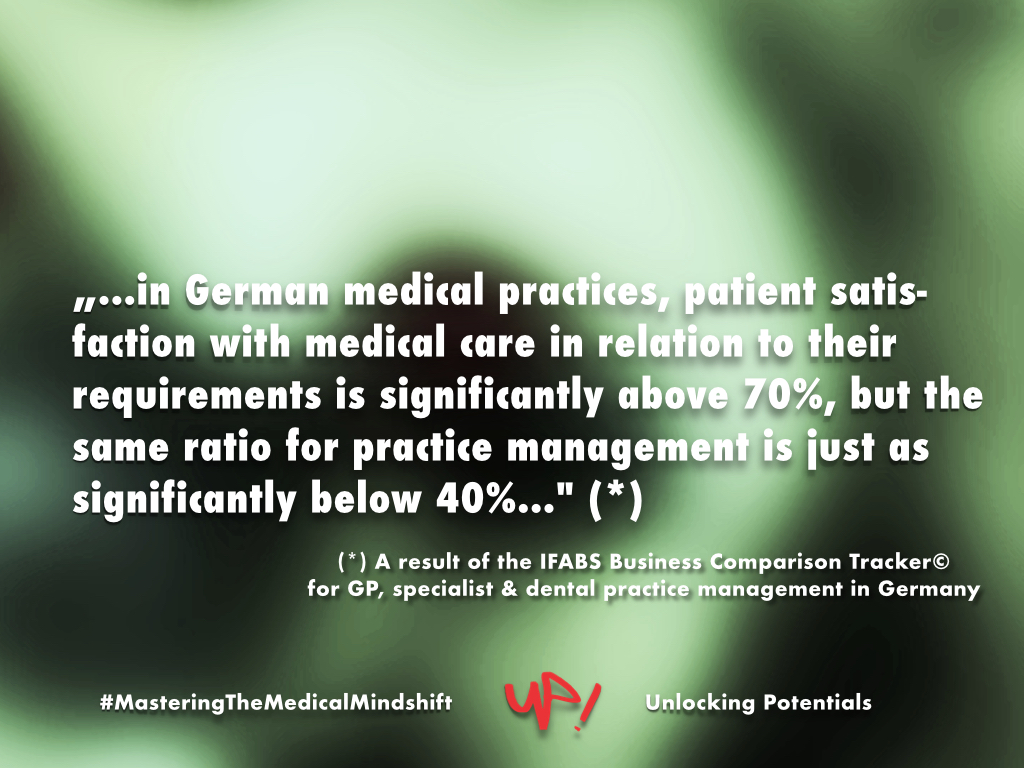
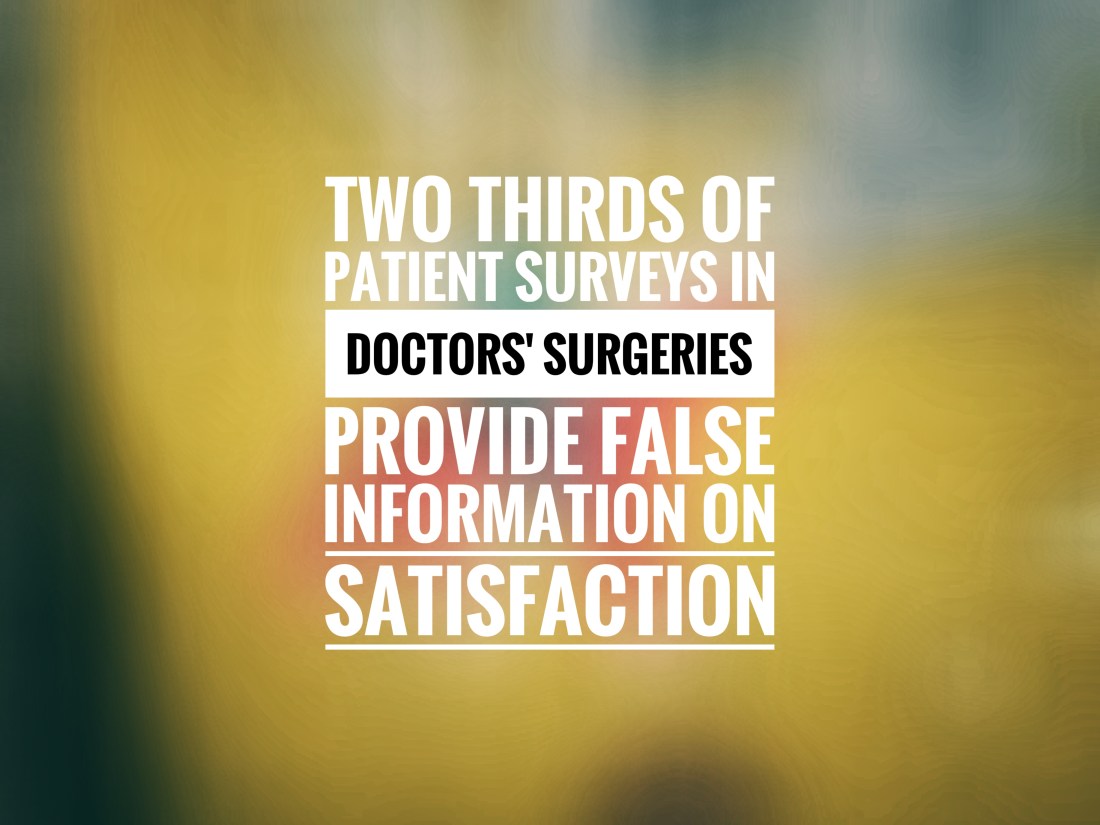
The results of patient surveys in GP and specialist practices often lead to wrong reactions on the part of the practice teams, because incorrect results lead to wrong conclusions.

Continue reading “Hidden stumbling blocks of GP and specialist practice management: Misinterpretations in patient surveys”

Mastering the medical mindshift: Professionalism in leadership doesn’t cost time

Data, facts and instruments on the German health system

What it’s all about

Practice management business comparisons and work analyses show that “leadership-active” practice owners save an average of twenty days per year in managing their staff compared to their “leadership-passive” colleagues.

Continue reading “Mastering the medical mindshift: Professionalism in leadership doesn’t cost time”

Modern practice management: What information does the Patient Care Quality Score (PCQS) provide to GPs and specialists?

Data, facts and instruments on the German health system

What it is about

When measuring patient satisfaction, only the key performance indicator “Patient Care Quality Score (PCQS)” provides a realistic picture in comparison with classical methods such as school grade scaling.

Continue reading “Modern practice management: What information does the Patient Care Quality Score (PCQS) provide to GPs and specialists?”

Mastering the medical mindshift: The label of “difficult patient” arises mainly from a lack of communication skills

Data, facts and instruments on the German health system

What it’s all about

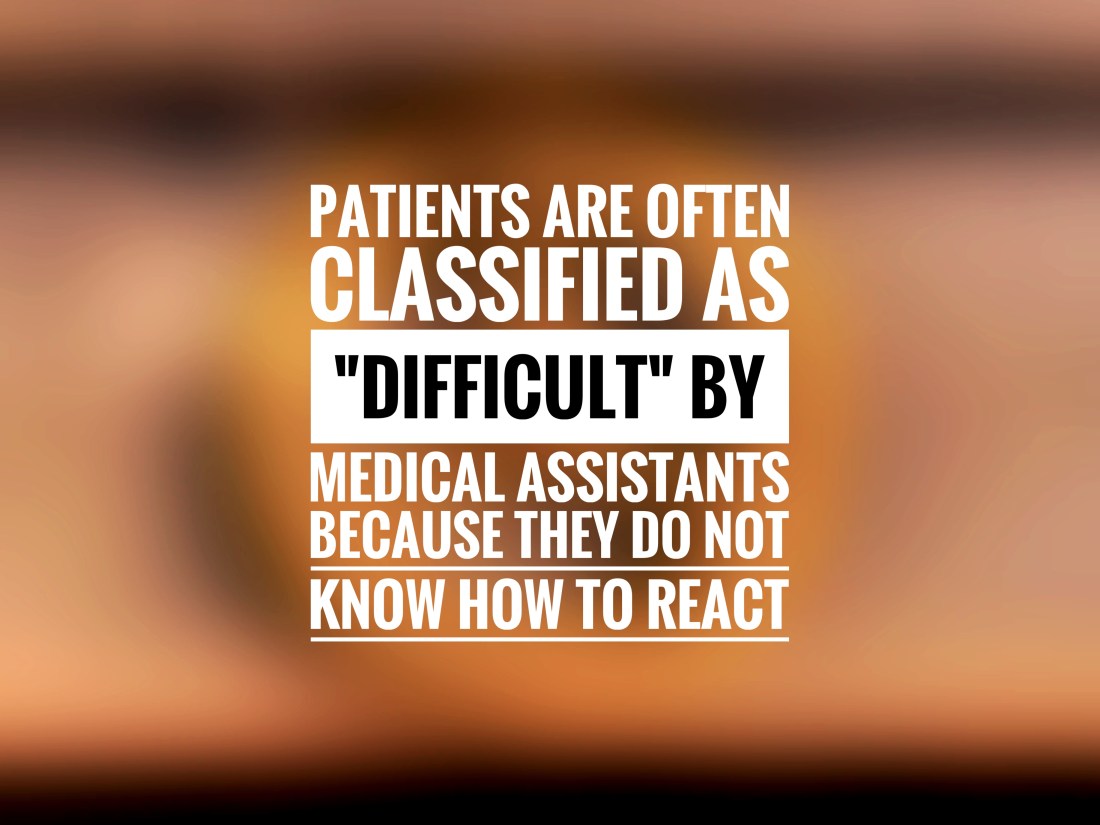
Every doctor and every medical assistant knows the small negative events that, to a greater or lesser extent, pervade everyday practice. Often they are related to patients who are then labelled “difficult” and with whom this stigma is forever associated. But the assessment is often made hastily and the real problem lies at a completely different level. Being aware of this and taking countermeasures can decisively improve the quality of work.

Continue reading “Mastering the medical mindshift: The label of “difficult patient” arises mainly from a lack of communication skills”