
The Most Intelligent Systems Did Not Fail Because of Technology, They Failed Because of Social Overcompensation · R2049 Structural Reconstructions

Intro

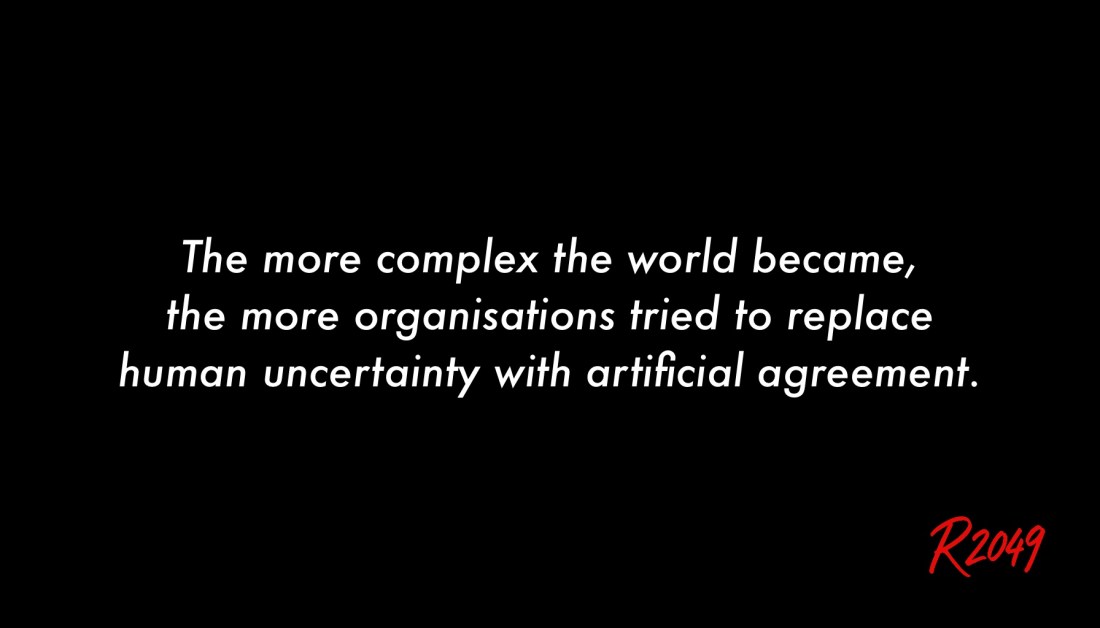
This article explores how social overcompensation, artificial consensus cultures, and conflict avoidance weakened highly advanced organisations during the 2020s and 2030s. From the perspective of 2049, it explains why many companies became technologically smarter while simultaneously losing their ability to process disagreement, tension, and strategic reality. Key concepts include organisational behaviour, leadership systems, psychological safety, dissent capability, collective intelligence, strategic clarity, and epistemic resilience.

Continue reading “The Most Intelligent Systems Did Not Fail Because of Technology, They Failed Because of Social Overcompensation · R2049 Structural Reconstructions”
The Most Dangerous Organisations Were Not Authoritarian, They Were Emotionally Exhausted · R2049 · Structural Reconstructions

Intro

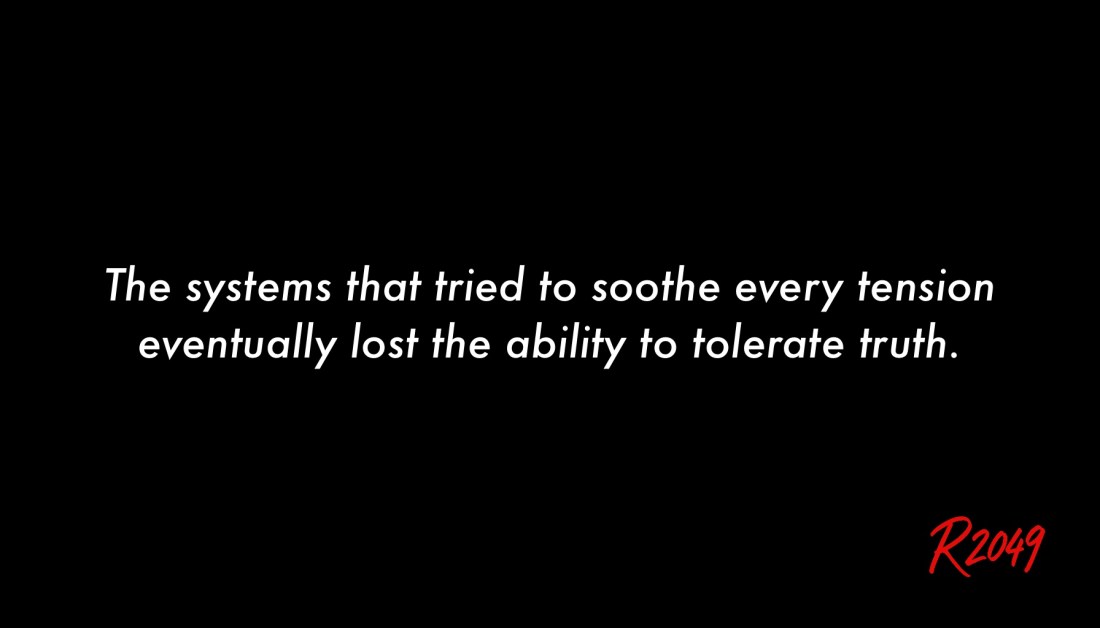
This article examines how emotional fragility, conflict avoidance, and excessive psychological smoothing shaped organisations in the early 21st century. From the perspective of 2049, it explains why many companies weakened their own resilience by avoiding productive tension, softening communication, and confusing emotional comfort with organisational stability. Key concepts include psychological safety, leadership culture, conflict capability, emotional resilience, organisational behaviour, strategic clarity, and system stability.

Continue reading “The Most Dangerous Organisations Were Not Authoritarian, They Were Emotionally Exhausted · R2049 · Structural Reconstructions”