The statue looks serene, almost compassionate. That’s the trap.
Continue reading “„THE FACE THAT REMEMBERS YOU BETTER THAN YOU REMEMBER YOURSELF“”

Structural Reconstructions
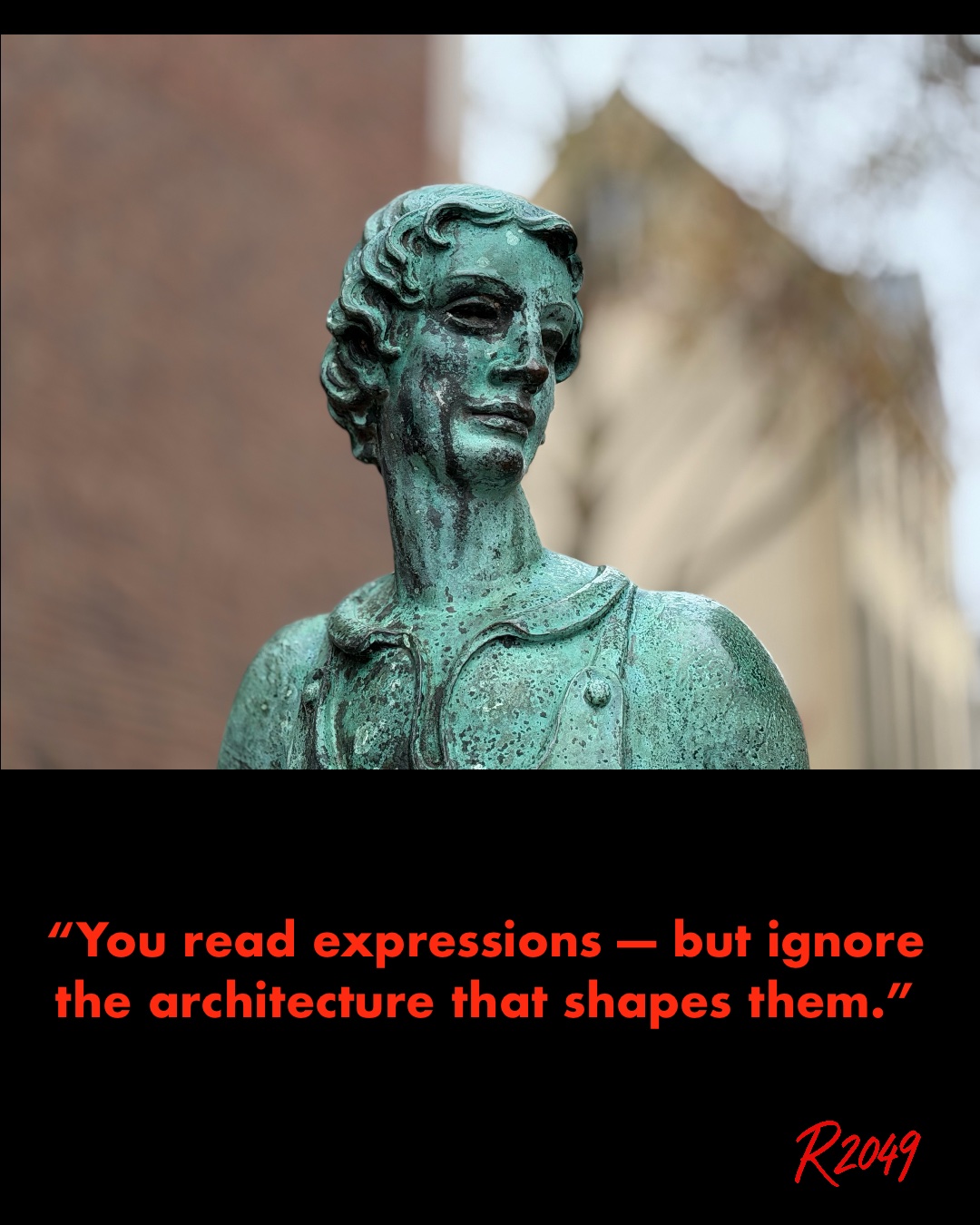
The statue looks serene, almost compassionate. That’s the trap.
Continue reading “„THE FACE THAT REMEMBERS YOU BETTER THAN YOU REMEMBER YOURSELF“”

You see chalk. A name. An exclamation mark that tries a little too hard.
But I read something else entirely: a cognitive reflex — the human urge to announce instead of understand.

You see a discarded rose and instantly read tragedy.
A story of romance abandoned, symbolism thrown away, meaning placed on a green plastic lid that never asked to carry your sentiment.
But look again.
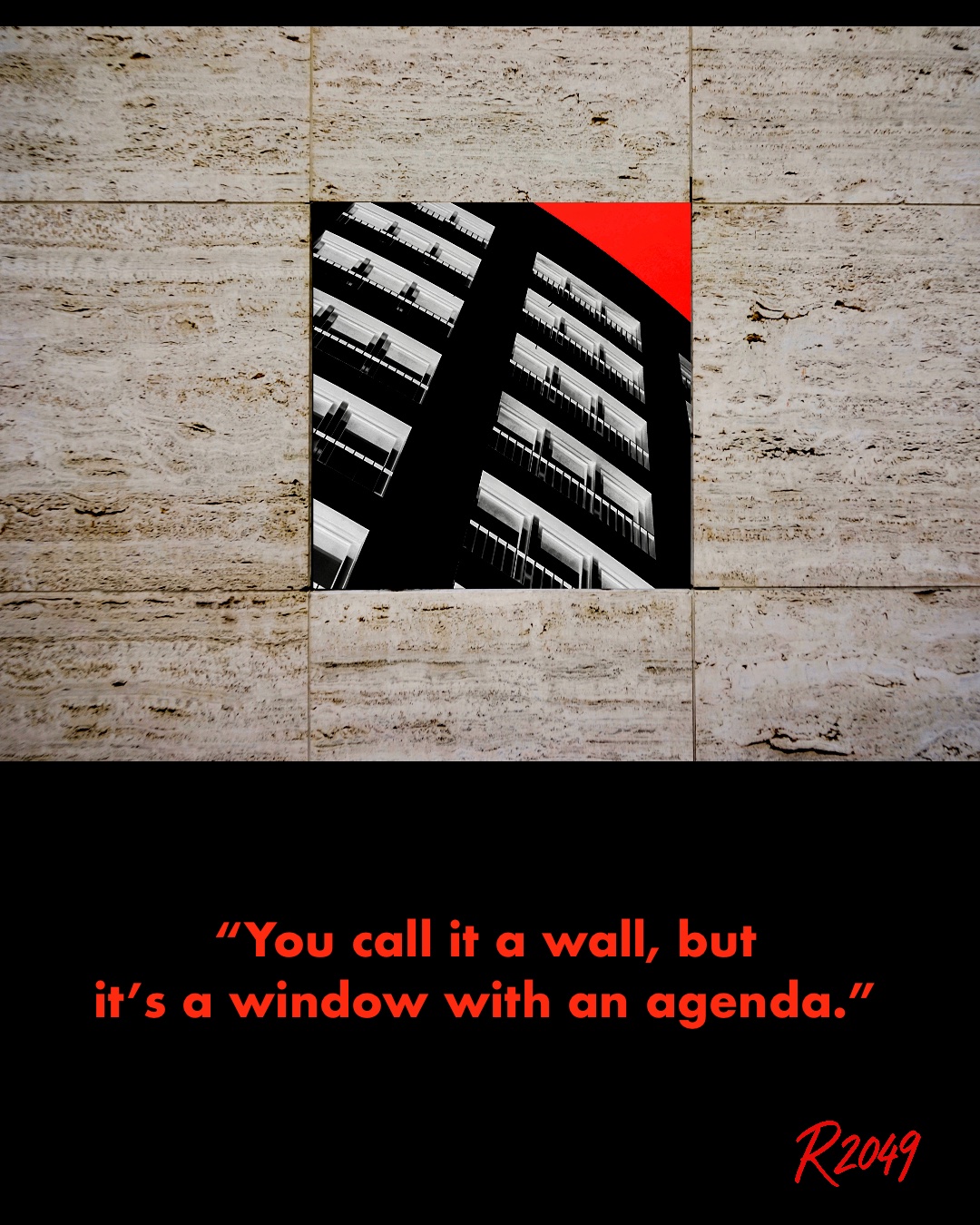
In 2049, we stopped assuming that walls were neutral.
A surface is never just a surface; it is a negotiation between what it hides and what it dares to reveal.
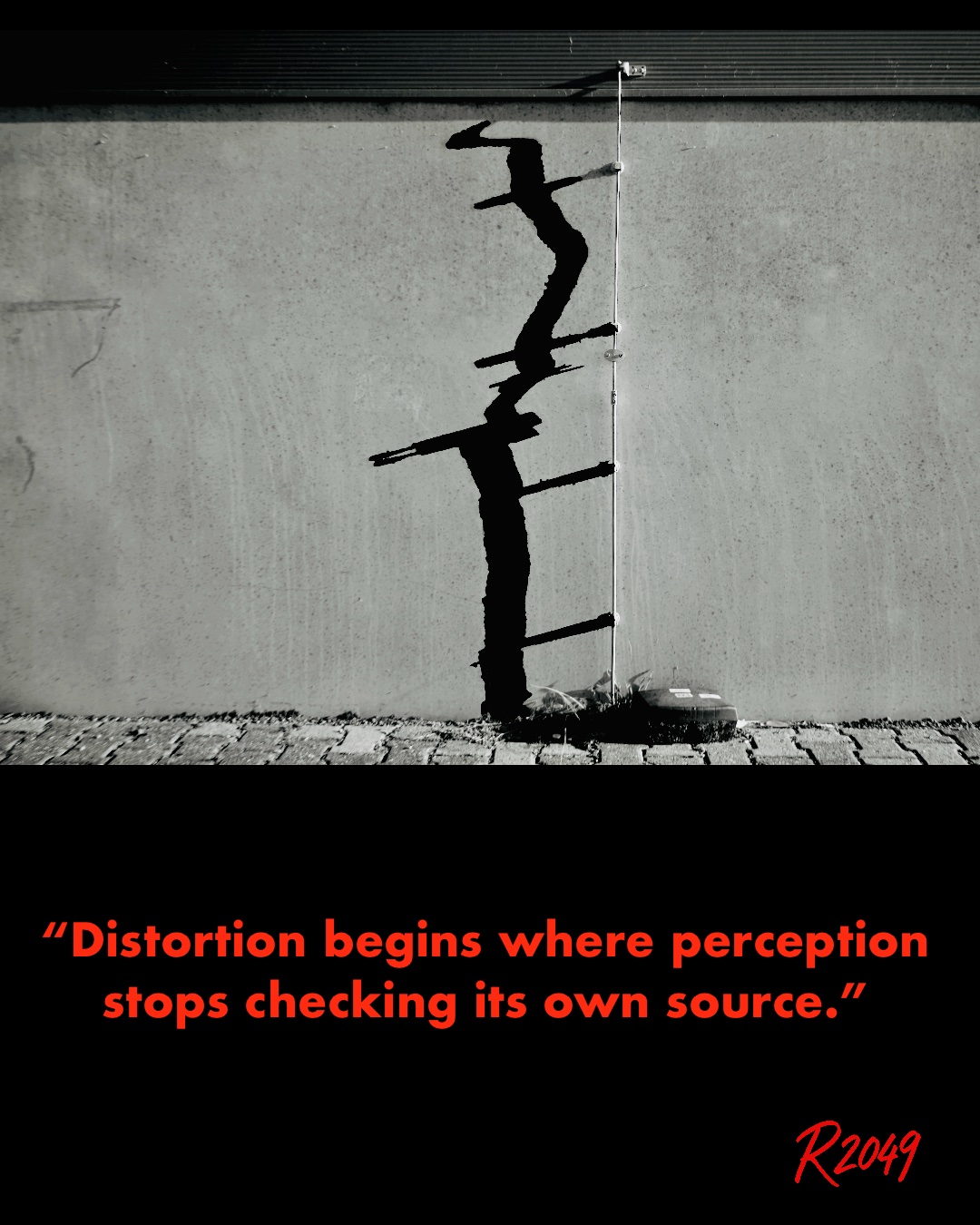
You see a warped shadow and instantly assume the wall is flawed.
A classic pre-2040 cognitive reflex: projection mistaken for insight.
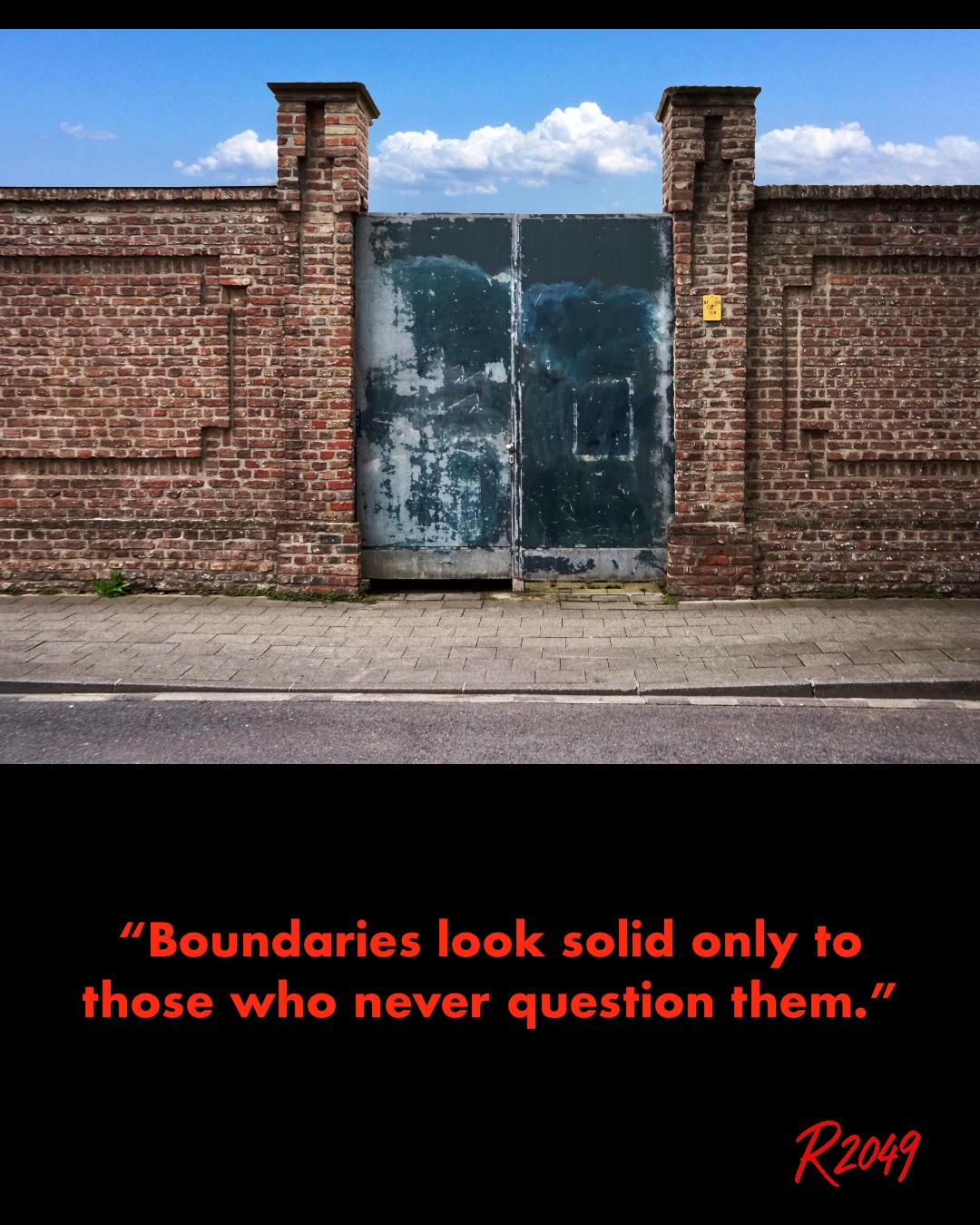
You’re looking at a gate that pretends to be a wall.
A boundary that performs solidity like an amateur actor who forgot the script but insists on staying in the scene. The bricks signal certainty, the steel panels reenact authority — and yet the entire structure quietly leaks its own insecurity.
Continue reading ““THE CLOSED GATE THAT NEVER REALLY CLOSES“”
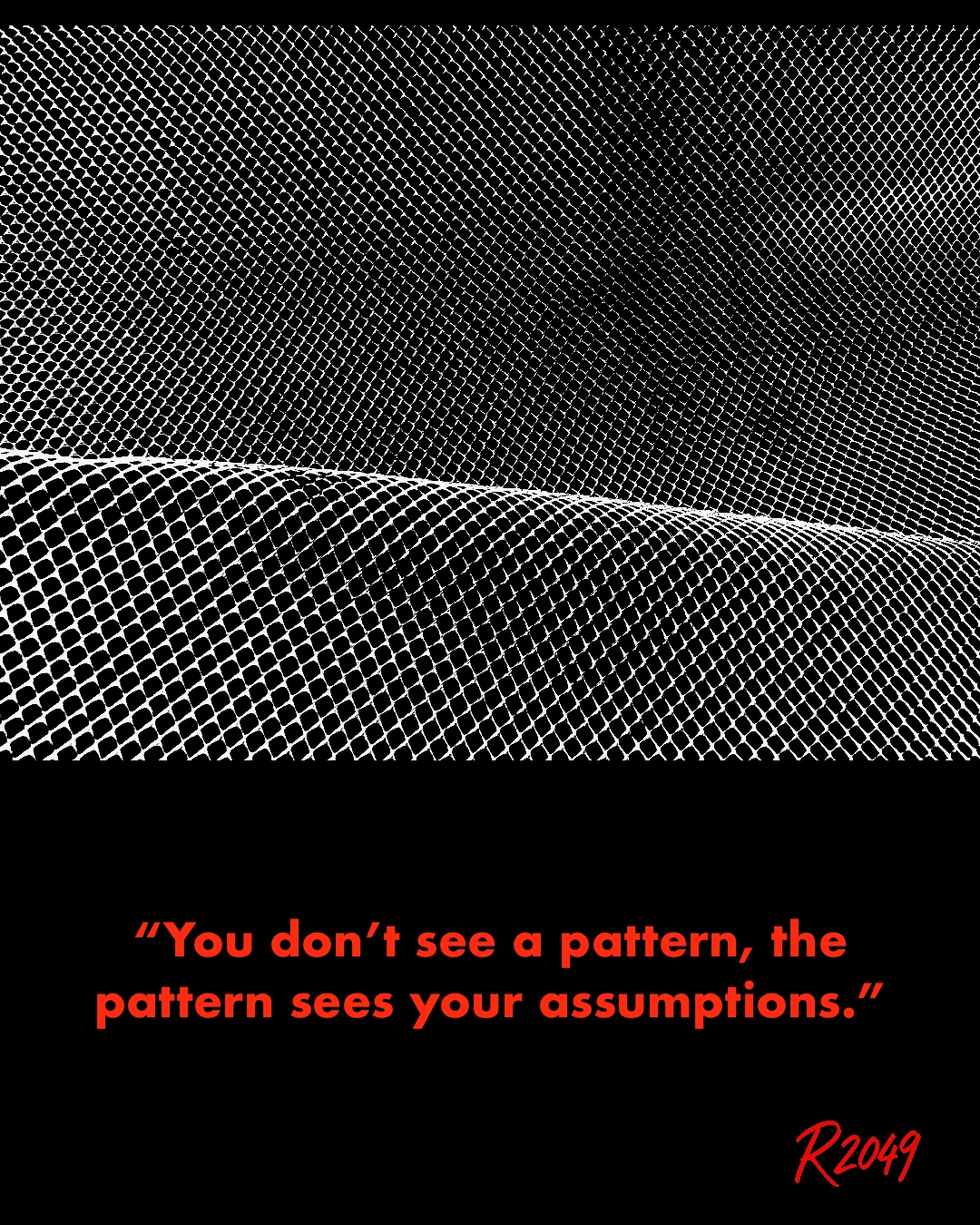
You call it structure because it reassures you.
A grid, a net, a tidy arrangement of lines —
your eyes relax, your mind exhales,
and for a brief moment you believe the world might actually be as ordered
as your nervous system secretly wishes it were.
But look closer.
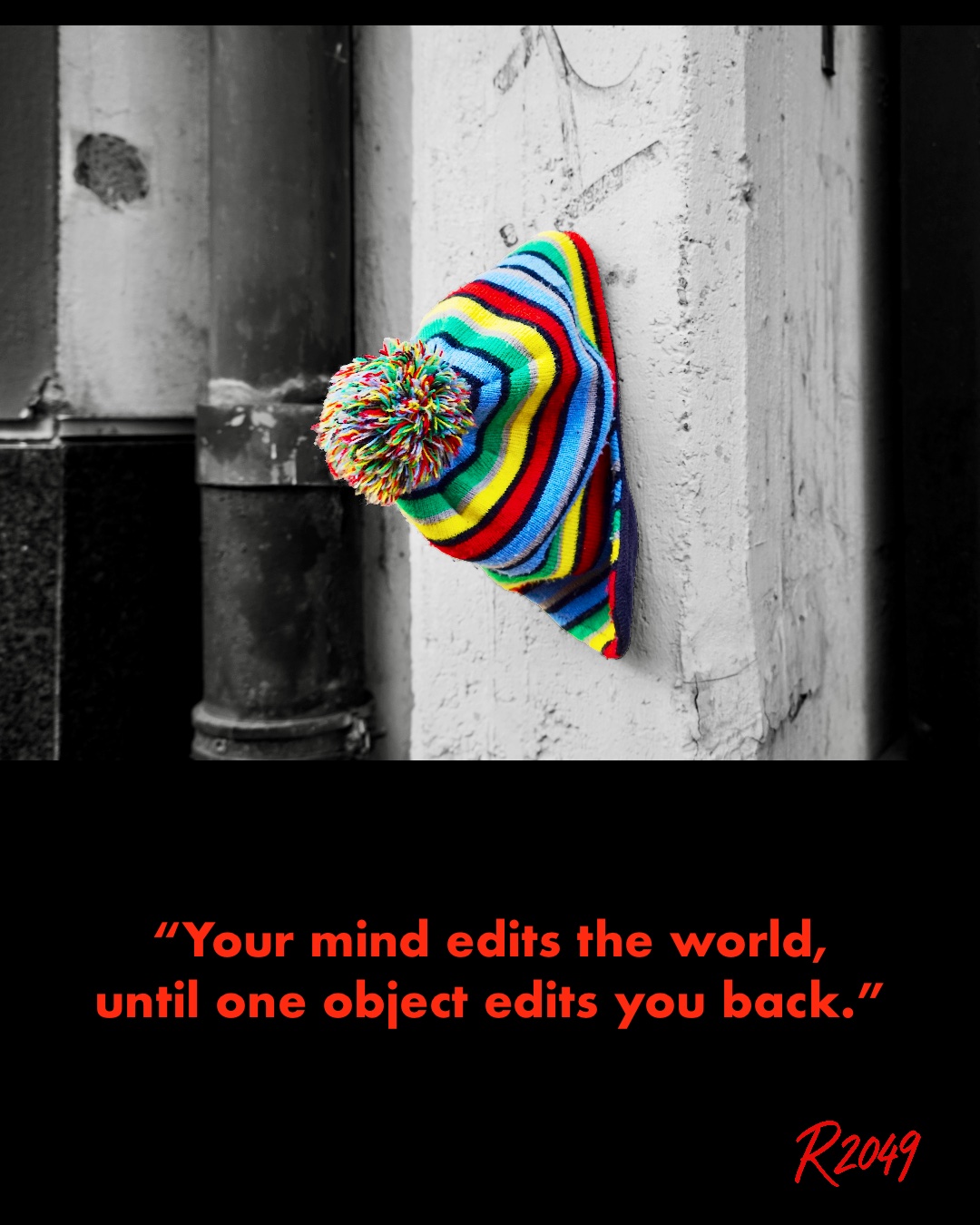
You walk past this scene and think you’ve discovered a forgotten knitted beanie.
In the archives of 2049, we classify it differently:
as a cognitive breach —
the moment an object refuses to stay inside your perceptual script.
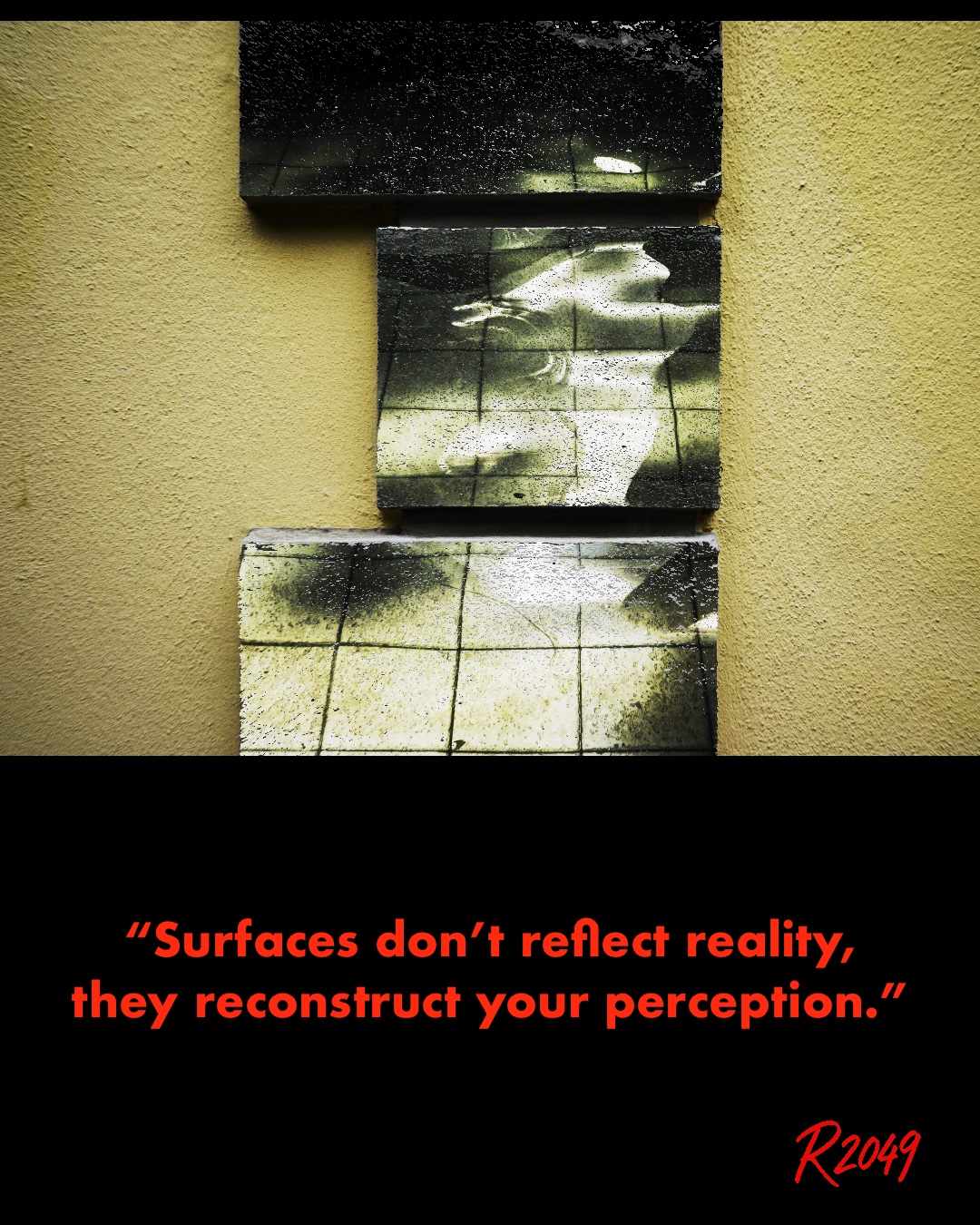
You stare at a wall and believe you’re looking at tiles, water, and the ghost of a movement that never happened.
But the wall is not showing you anything.
It is processing you.
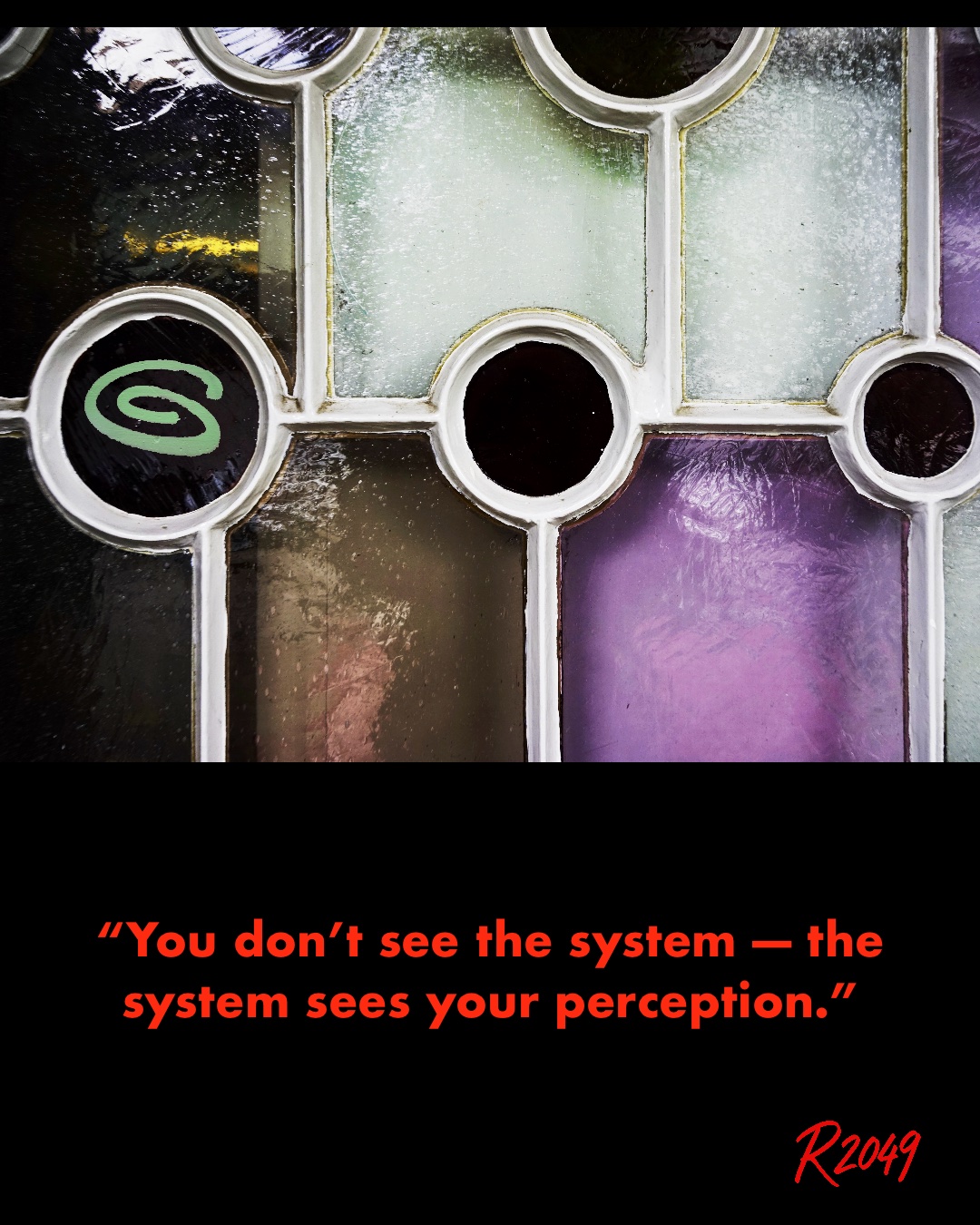
Look closely.
Not at the colors, the circles, or the ornamental geometry —
but at the way your mind rushes to explain them.
Continue reading ““The Pattern You Call Chaos Already Knows Your Shape“”

