Struction · R2049 · Comparative Fragments (#3)

Intro

This Comparative Fragment reconstructs the structural difference between decision-centred coordination (circa 2026) and relevance-centred structuring in Struction. It analyses how decision events functioned as symbolic condensation points while causal configuration occurred pre-decisionally. The fragment isolates the shift from event-based authority to architectural pre-alignment.

Continue reading “Struction · R2049 · Comparative Fragments (#3)”
Struction · R2049 · Comparative Fragments (#2)

Intro

This Comparative Fragment reconstructs the structural shift from responsibility as personal address (circa 2026) to coordination without attribution in Struction. It analyses how responsibility functioned as an uncertainty-absorbing mechanism and how structural pre-alignment rendered address-based accountability redundant.

Continue reading “Struction · R2049 · Comparative Fragments (#2)”

Struction · R2049 · Comparative Fragments (#1)

Intro

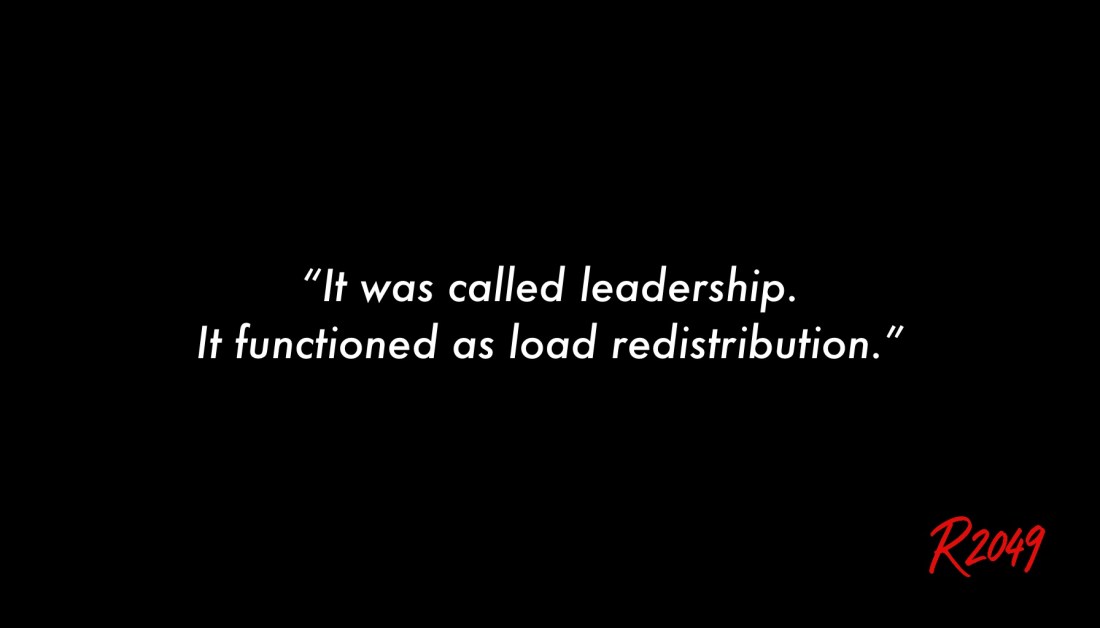
This Comparative Fragment reconstructs the structural difference between leadership-based coordination (circa 2026) and post-attribution coordination in Struction. It analyses how decision authority functioned as a load-distribution mechanism rather than as an origin of direction. The fragment isolates structural contrast without narrative framing or normative evaluation.

Continue reading “Struction · R2049 · Comparative Fragments (#1)”

“I Need to Organise Myself Better.” · R2049 · LifeStruct

Intro

This LifeStruct reconstruction examines the common self-attribution “I need to organise myself better.”
It analyses how individual self-blame in everyday coordination often compresses structural opacity.
From the 2049 perspective, personal organisation was frequently a proxy for unarticulated decision architecture and implicit load distribution.

Continue reading ““I Need to Organise Myself Better.” · R2049 · LifeStruct”