Some people think too much.
Some think too fast.
Others don’t really think at all—they just repeat.
And then there’s you.

Structural Reconstructions

Some people think too much.
Some think too fast.
Others don’t really think at all—they just repeat.
And then there’s you.
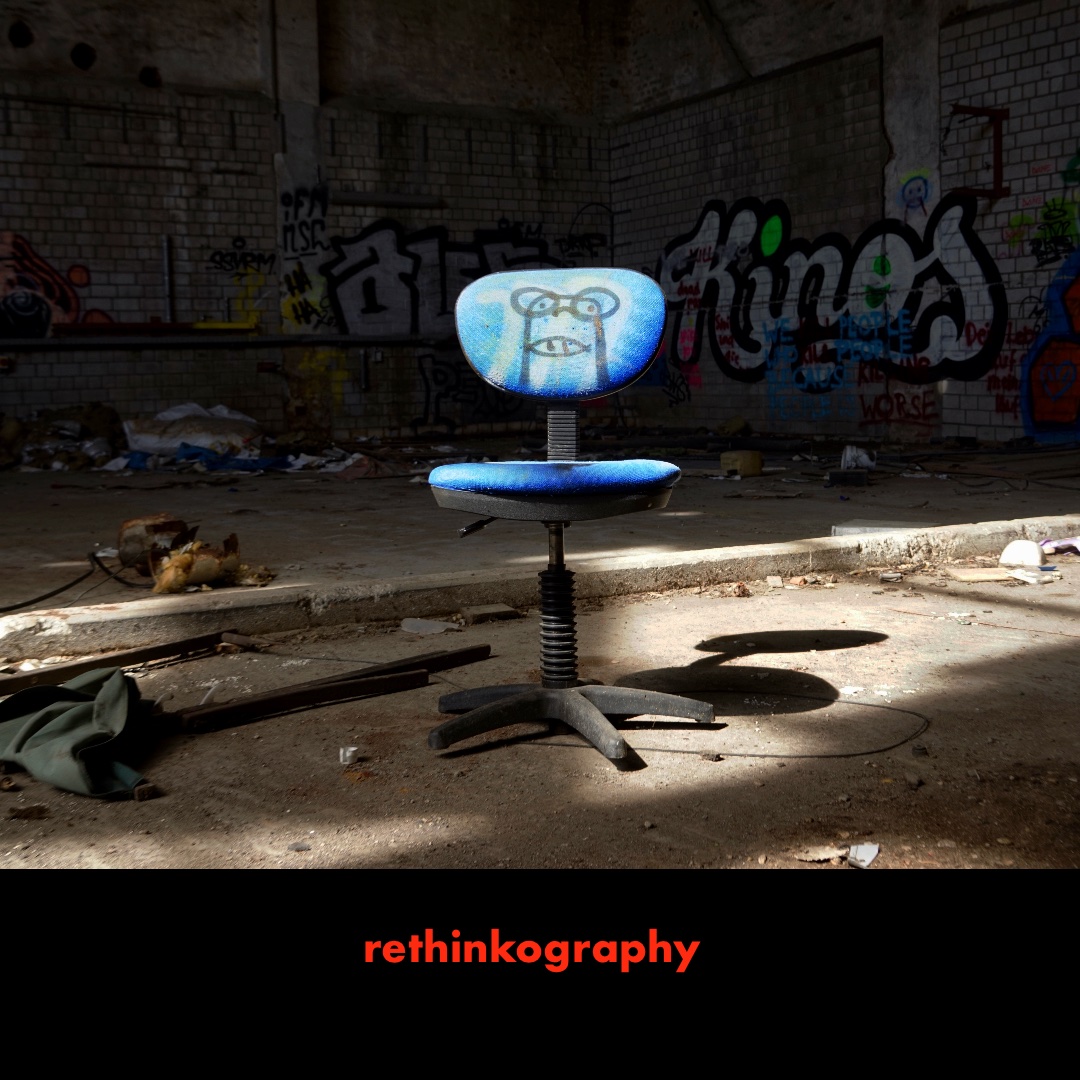
You’re still sitting there. Not physically — but mentally. On a chair that’s long since lost its purpose. Surrounded by decay. Framed by ruins. Yet you’re seated with silent pride on your blue throne of stagnation.
Du bist stolz auf deine Einsicht.
Du erkennst Muster, verbindest Punkte, siehst, was anderen entgeht.
Doch hier kommt die unbequeme Frage:
Wenn du so einsichtig bist – warum überrascht dich das Leben trotzdem ständig?

When dependability becomes your invisible prison.
Continue reading “Rethinking: The Hidden Cost of Being the Reliable One”
Some beliefs slip so deeply into our thinking that we mistake them for truth. In reality, they’re often just mental habits—unexamined assumptions guiding our actions without our awareness.
Continue reading “3RE #01: What You Believe But Never Question”

You don’t need better frameworks. You need a new mind in your old head.
You know the scene: the team gathers for the Monday meeting. You begin with a familiar refrain — “We need to work more efficiently.” Deadlines are tight. Resources stretched. “Let’s prioritise better, make decisions faster, and communicate more clearly.” Heads nod. Notes are taken. And yet—nothing changes. Instead of accelerating, your team spins in well-worn circles.
And — if you’re honest — so do you.
Continue reading “Preaching Efficiency. Practising Inefficiency”
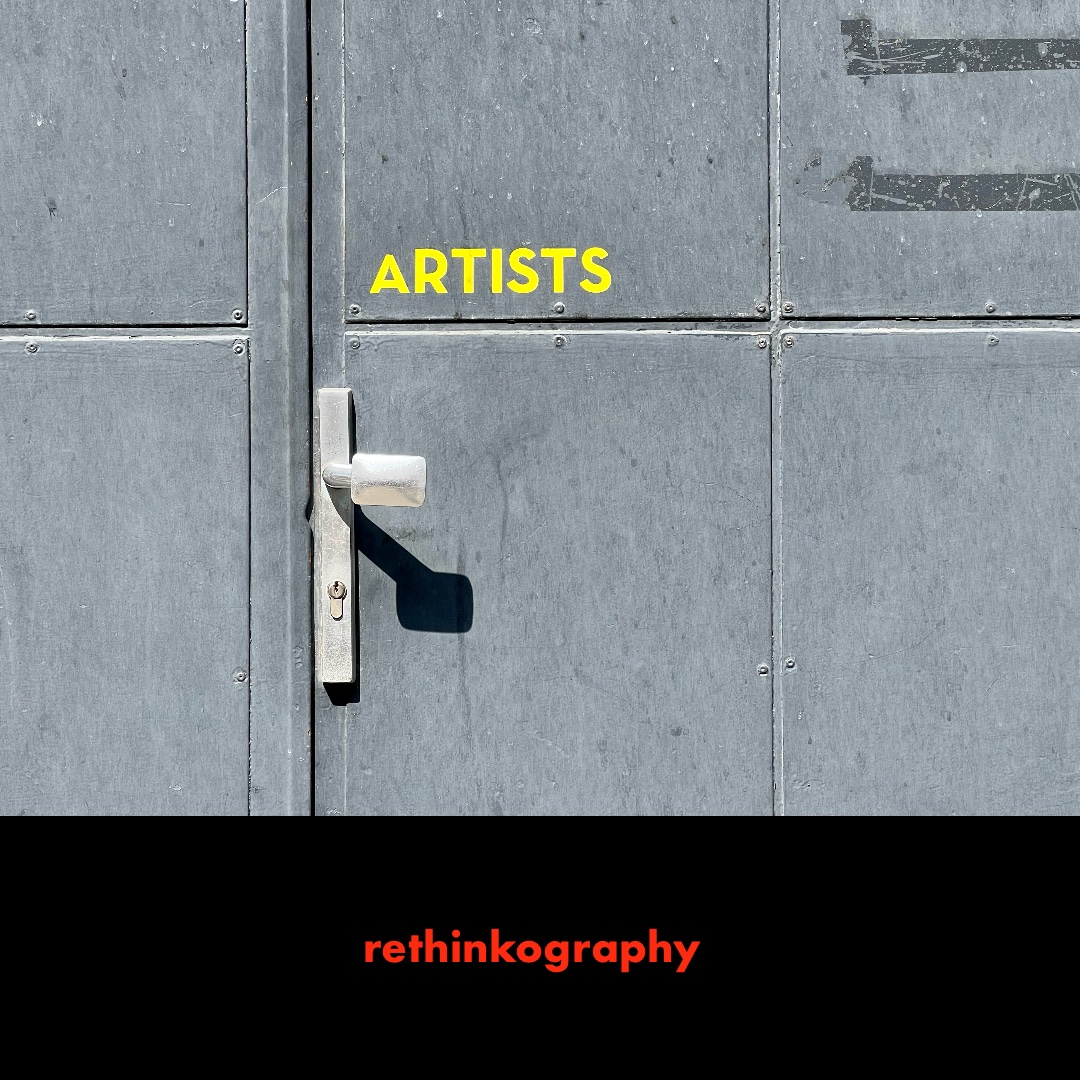
Creativity is not a skill. It’s a door. Open it.
Continue reading “Rethinkography: Open the Doors to New Possibilities”
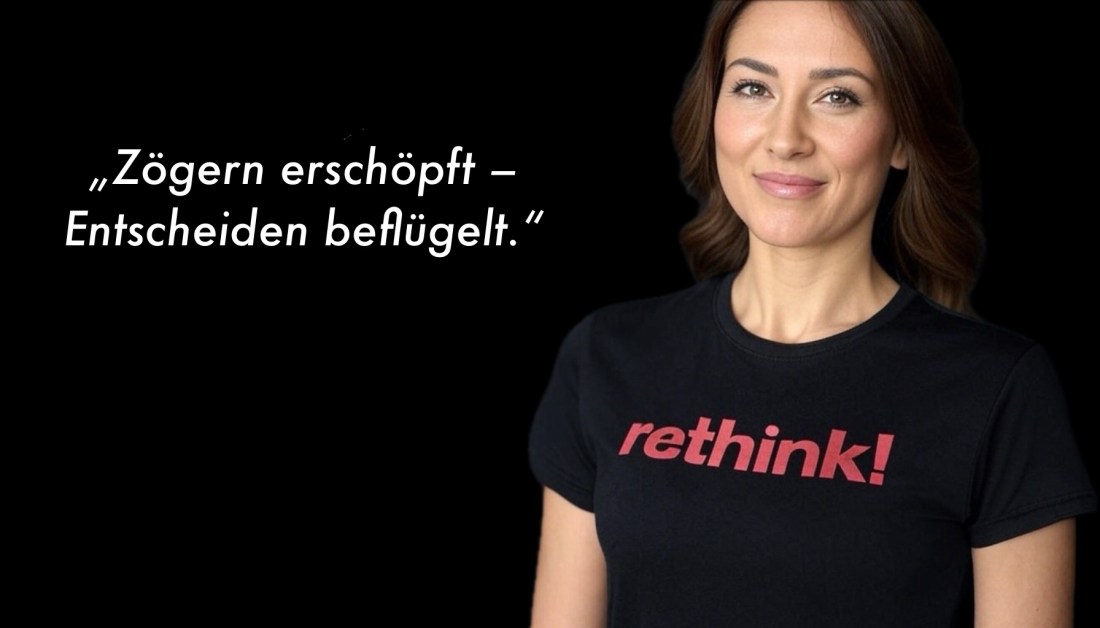
„Zögern kostet mehr Energie als eine klare Entscheidung.“
Unentschlossenheit schleicht sich oft lautlos in unser Leben ein, getarnt als besonnene Vorsicht – doch in Wahrheit ist sie eine mächtige Quelle von Stress und Unzufriedenheit. Was zunächst wie eine durchdachte Abwägung erscheint, kann rasch in eine mentale Lähmung übergehen, die unsere emotionalen und intellektuellen Ressourcen erschöpft. Wer essenzielle Entscheidungen – ob beruflich oder privat – immer wieder aufschiebt, verstärkt unbewusst seinen eigenen Stress und seine innere Anspannung. Das Resultat: chronische Unzufriedenheit.
Du bist exzellent ausgebildet. Du triffst Entscheidungen mit wissenschaftlicher Präzision. Du behandelst komplexe Fälle, trägst Verantwortung, meisterst Druck. Und doch versagst Du – systematisch. Nicht in der Medizin. Sondern im Denken. Genauer gesagt: im strategischen Denken. Du behandelst Symptome – auch in deiner Praxisführung. Aber Du erkennst das übergeordnete Muster nicht.
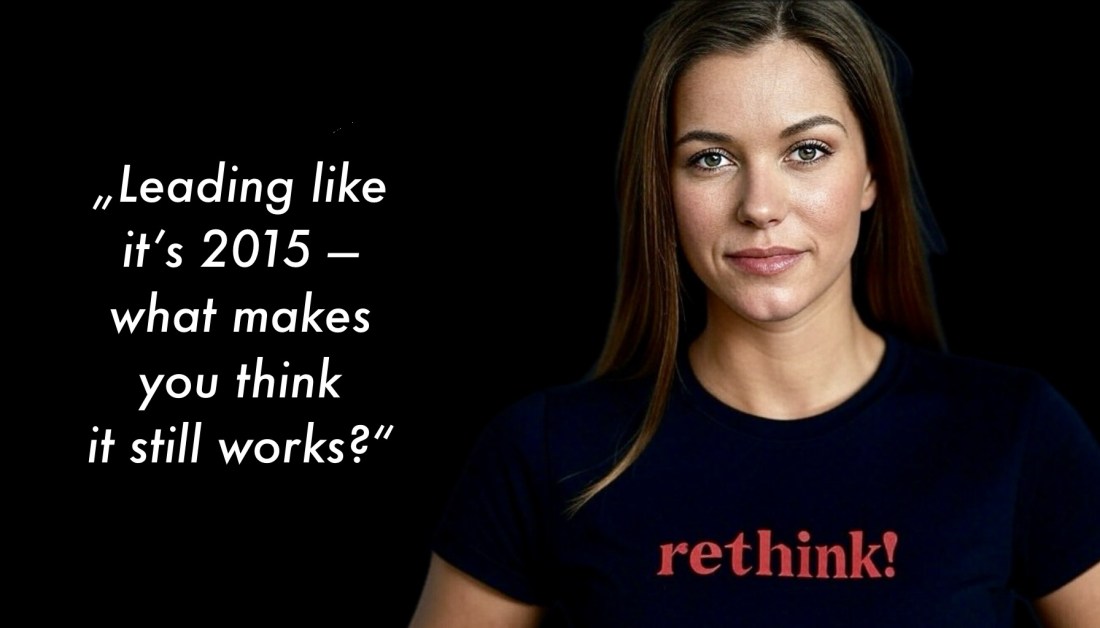
„Control kills creativity – trust fuels transformation.“
Persistent misconceptions about the true nature of leadership continue to prevail. Many superiors still hold the belief that their primary role is to issue directives and ensure that employees “function” efficiently. They are convinced that strict hierarchies, close supervision and disciplinary measures are sufficient to forge a high-performing team. Some even assume that motivation can be engineered solely through financial incentives – or, conversely, that employees will automatically rise to excellence if granted enough freedom.
Continue reading “Rethinking: Why Leadership Without a Fundamental Reappraisal Is Doomed to Fail”

