
Leadership: Responsibility Thinking versus Progress Thinking

Overview

In modern leadership theory and practice, there is an increasingly apparent tension between two mental models: responsibility thinking and progress thinking. These approaches differ in their philosophy, psychological foundations, and practical relevance for leadership management. While responsibility thinking offers a clear framework for duties, responsibilities, and areas of activity, progress thinking focuses on continuous development, innovation, and adaptation. This article examines these two approaches from a philosophical and psychological perspective and analyses their significance for self-management and team leadership. Finally, we will look at the future relevance of progress thinking in an increasingly digitised and dynamic working world.

Continue reading “Leadership: Responsibility Thinking versus Progress Thinking”
Multifaceted and Challenging: The Expectations of Leadership

What It’s About

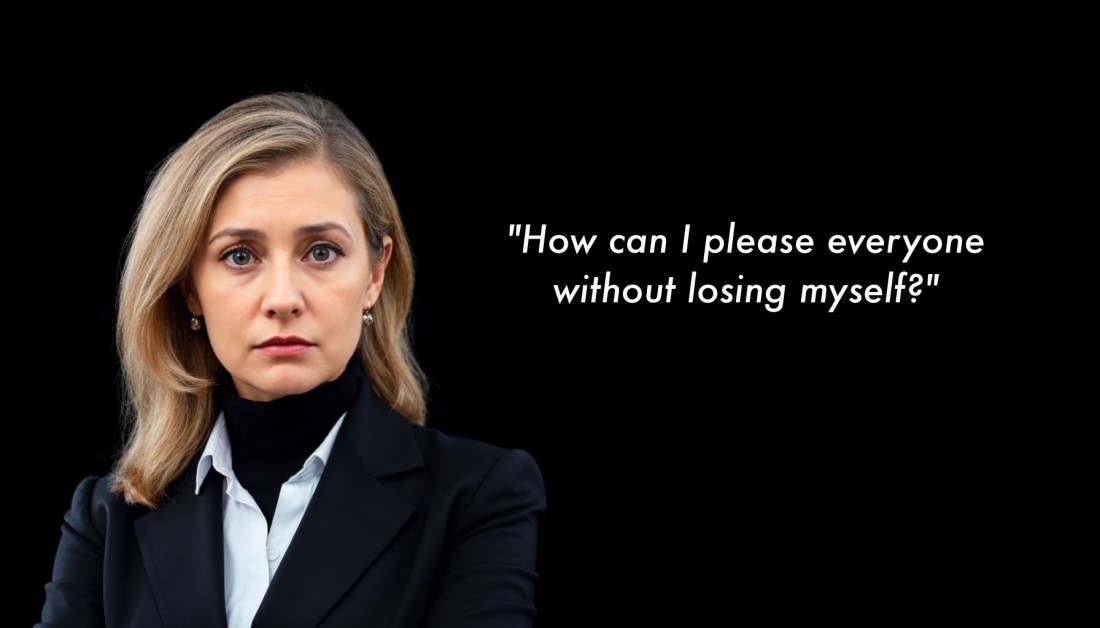
Leaders stand at the centre of every organisation. Their decisions, behaviours, and values shape not only the corporate culture but also the engagement and performance of their employees. The expectations placed on leaders are diverse and complex, grounded both in practical demands and moral and ethical principles. This article explores the different facets and meanings of the expectations placed on leaders and examines how these expectations influence the leadership and management of staff.

Continue reading “Multifaceted and Challenging: The Expectations of Leadership”

Thanatopraxisches Management durch Haus- und Fachärzte: Bewahrung versus Transformation?

Worum es geht

Praxismanagement-Betriebsvergleiche zeigen: zwei Drittel der Praxisteams arbeiten, mit kleinen Veränderungen, noch heute mit denselben Strukturen und Abläufen, die seit der Gründung, Übernahme oder dem Beginn einer Kooperation die vor Jahren festgelegt wurden. Diese Tatsache erinnert an die Thanatopraxie, die Konservierung von Körpern nach dem Tod – eine Metapher für das Festhalten an veralteten Managementstrukturen. Während in der Thanatopraxie der äußere Zustand eines Körpers aufrechterhalten wird, schwindet im Inneren das Leben. Übertragen auf die Organisation einer Arztpraxis: Die Fassade bleibt stabil, doch innerlich stagnieren Abläufe, Ideen und die Entwicklung der Praxis.

Continue reading “Thanatopraxisches Management durch Haus- und Fachärzte: Bewahrung versus Transformation?”

Leadership and the Art of Handling Setbacks

What It’s About

Setbacks are a part of life and the professional world – an undeniable fact. For leaders, who constantly operate within the tension of responsibility, decision pressure, and expectations, setbacks can be particularly challenging. The ability to recover quickly and learn from these experiences is therefore essential for long-term success. In this extended guide, we explore in detail the philosophical, psychological, and management-related aspects of dealing with setbacks. In particular, we focus on how leaders in an increasingly digitalised world can develop the right strategies to not only survive setbacks but to emerge stronger from them.

Continue reading “Leadership and the Art of Handling Setbacks”

Rethinkography: The Power of Authentic Expression – A Key to Self-Management

What it’s all about

The uploaded image shows a person radiating strong, positive expression – open, beaming, and full of energy. In many aspects of life, whether in a professional or personal context, this expression symbolises something essential: authenticity. Authenticity is not only an emotional concept but also a fundamental pillar for successful self-management and a fulfilling life.

Continue reading “Rethinkography: The Power of Authentic Expression – A Key to Self-Management”

Shared Leadership: Achieving Better Results through Distribution?

Introduction

The current leadership culture is undergoing a profound transformation, marked by a shift from hierarchical to collaborative leadership models. Shared Leadership is a concept that reflects this development. It involves the distribution of leadership responsibility within a team, so that not only one individual but several people, or even the entire team, assume leadership tasks. This approach not only has philosophical and psychological dimensions but also significantly impacts self- and leadership management. In an increasingly digital and dynamic work environment, Shared Leadership is gaining importance and is seen as a crucial success factor for leaders.

The Article as a RethinkAudio – Listen. Reflect. Analyze. Advance.

Continue reading “Shared Leadership: Achieving Better Results through Distribution?”

Rethinkography: The Shadow Metaphor – Self-Management through Self-Reflection and Emotional Resilience

What it’s all about

Rethinkography uses powerful photographic metaphors to visualise new ways of thinking. Each image symbolises a moment of rethinking that makes it possible to question established ways of thinking and acting and to develop new, future-oriented solutions.
The image of a woman gazing into the shadows without being overwhelmed by them provides a fitting metaphor for an essential topic in self-management: self-reflection and emotional resilience. These two principles are central to living and working successfully and autonomously.

Continue reading “Rethinkography: The Shadow Metaphor – Self-Management through Self-Reflection and Emotional Resilience”

Philosography: The Philosophy of Fragility – On the Art of Strengthening Oneself in Life

What it’s all about

The image presents a face carved from marble – cool, radiant, seemingly eternal. Yet the marble is cracked, with fine lines running through its once flawless surface, as if they were scars from a journey where beauty and fragility intertwine. This metaphor can be deeply extended into human existence. It speaks of the strength we often seek externally, and the fragility that defines us just as much as it shapes us.

Continue reading “Philosography: The Philosophy of Fragility – On the Art of Strengthening Oneself in Life”

Management decisions and the psychology of opportunity costs

What it is about

The concept of opportunity costs is often understood as a purely economic principle that forms the basis for economic decisions through calculations and comparisons. However, a deeper look shows that it is also a basic mental attitude that extends far beyond the field of business administration and is deeply embedded in the psychology of human decision-making behaviour.

Continue reading “Management decisions and the psychology of opportunity costs”

Psychological principles, methods and tools for a dismissal meeting

What it’s all about

Conducting a dismissal meeting is one of the most complex and emotionally demanding tasks for a manager. It requires not only technical and professional know-how but also a deep understanding of the psychological mechanisms at play in such challenging situations. Handling a dismissal meeting correctly can be crucial in determining how the affected employee processes the situation and how the manager, as well as the company, are perceived overall. This text provides a comprehensive exploration of the psychological principles, methods, and tools relevant to a dismissal meeting, offering detailed insights into the various phases and aspects that must be considered.

Continue reading “Psychological principles, methods and tools for a dismissal meeting”