This Rethinking Impulse unveils the hidden costs of failing to say no, demonstrating how boundaries safeguard your time, energy, and authenticity while empowering you to thrive personally and professionally.
THOR5096

Structural Reconstructions
This Rethinking Impulse unveils the hidden costs of failing to say no, demonstrating how boundaries safeguard your time, energy, and authenticity while empowering you to thrive personally and professionally.
THOR5096
“With every conscious no, I affirm my values, priorities, and inner strength.”
Have you ever wondered about the price you pay when you find it difficult to say no in critical moments? This price is often not immediately visible – it subtly manifests as stress, wasted time, missed opportunities, or damaged relationships. However, the true value of saying no lies not merely in the act of refusal itself but in the empowerment it brings to set boundaries and provide clarity to yourself and others. This article delves into the direct and indirect costs of failing to say no and explores how the R2A formula of Rethinking can help navigate such situations with confidence.
“Strength lies in your openness.”
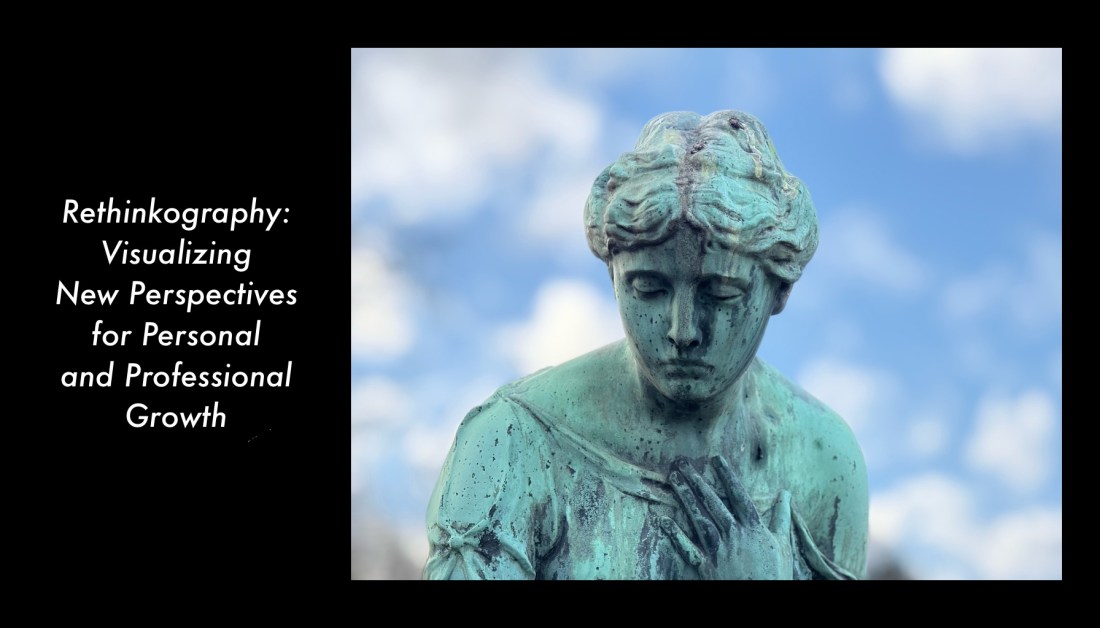
The cover image depicts a statue whose posture embodies contemplation and vulnerability. The downcast eyes, the hand resting on the chest, and the timeworn patina collectively evoke a universal message: navigating vulnerability is a cornerstone of effective self-management. The statue becomes a metaphor for those moments when we must pause, reflect, and acknowledge that what appears as fragility is, in fact, latent strength.
„Wahre Stärke entsteht, wenn Eigenverantwortung auf Teamgeist trifft.“
Unternehmerische Eigenverantwortung bezeichnet die Fähigkeit und Bereitschaft eines Praxisinhabers, aktiv und strategisch die Gestaltung, Steuerung und Weiterentwicklung seines Unternehmens zu übernehmen. Sie umfasst nicht nur die Erfüllung gesetzlicher und betriebswirtschaftlicher Anforderungen, sondern auch die bewusste Ausrichtung des Handelns an zukunftsorientierten Werten und Prinzipien. Eigenverantwortung in diesem Sinne bedeutet, die Verantwortung für den Erfolg der Praxis, die Zufriedenheit der Patienten und die Entwicklung des Teams in einer holistischen Perspektive zu übernehmen und zu gestalten.

This Rethinking Impulse redefines Work-Life Blending as a conscious, flexible integration of personal and professional spheres, promoting harmony, resilience, and fulfilment through mindful action and reflection.

A Rethinking Impulse by Klaus-Dieter Thill
The concept of Work-Life Blending is frequently overshadowed by a range of misconceptions and flawed assumptions that obscure its true meaning and potential. One prevalent misunderstanding is the belief that Work-Life Blending merely represents the indiscriminate merging of work and leisure, leading to blurred boundaries and an unhealthy “always-on” mode of existence. This view is often accompanied by the toxic notion that genuine productivity requires constant availability and unrelenting presence. As a result, a cultural mindset emerges that glorifies overwork and dismisses rest as a sign of weakness.
„Self-doubt is a signal, not a verdict, reflect, analyze, advance.“
Self-doubt is one of life’s silent saboteurs – creeping into our minds, distorting our self-perception, and holding us back from realising our fullest potential. In personal life, it can inhibit genuine connections or prevent us from voicing our true needs. Professionally, it stifles confidence, hampers decision-making, and keeps us from seizing leadership opportunities. Self-doubt often arises from entrenched patterns of thought rooted in overly critical inner dialogues or past disappointments. These patterns act like filters, obscuring opportunities and anchoring us in a cycle of hesitation.
This Rethinking Impulse explores how embracing simplicity through Ockham’s Razor can transform leadership by fostering clarity, efficiency, and resilience in a world of overwhelming complexity.
A Rethinking Impulse by Klaus-Dieter Thill
Have you ever pondered how often unnecessary complexity infiltrates your decisions? Or why seemingly straightforward solutions are often the hardest to embrace? The concept of Ockham’s Razor – frequently distilled as “The simplest solution is the best” – is often misunderstood, misapplied, or entirely overlooked. For leaders, this principle holds untapped potential – provided it is deeply understood and reimagined through the lens of Rethinking.
“Release the old, embrace the new.”
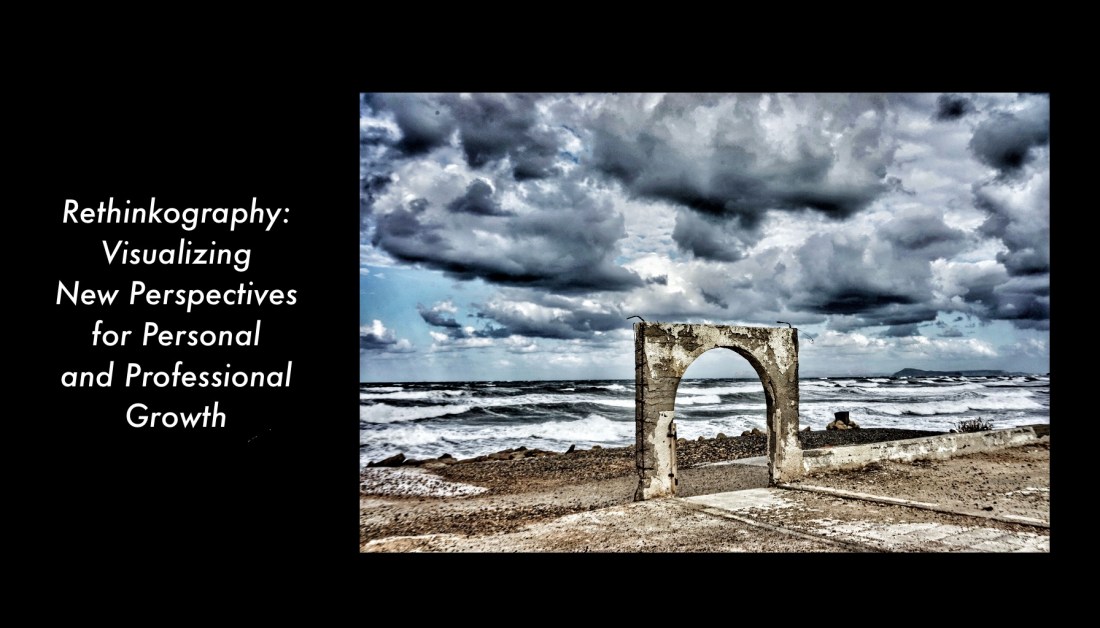
The cover image depicts a solitary gate, standing resolutely amidst a tempestuous seascape. It appears as a vestige of the past, juxtaposed against the raw force of nature and a storm-laden sky. This gate symbolises transitions and pivotal moments in life – instances where individuals stand on the precipice of the unknown, choosing either to pause or to proceed. It embodies both the comfort of familiarity and the allure of open possibilities. Within the context of self-management, this metaphor addresses the domain of “Transition and Conscious Realignment”, which pertains to the ability to embrace, navigate, and shape life’s turning points as opportunities for growth.

