Leadership: Will AI Take Over My Job?

A Rethinking Impulse by Klaus-Dieter Thill

The Issue at Hand

In recent years, the rapid evolution of Artificial Intelligence (AI) has undeniably demonstrated its potential to fundamentally transform the business world. Particularly in the realm of process automation, leaders across the globe have cautiously begun to recognise and harness the benefits of AI. From automating repetitive tasks to enhancing data processing efficiency, the introduction of AI-based systems has already brought tangible advantages to many organisations.
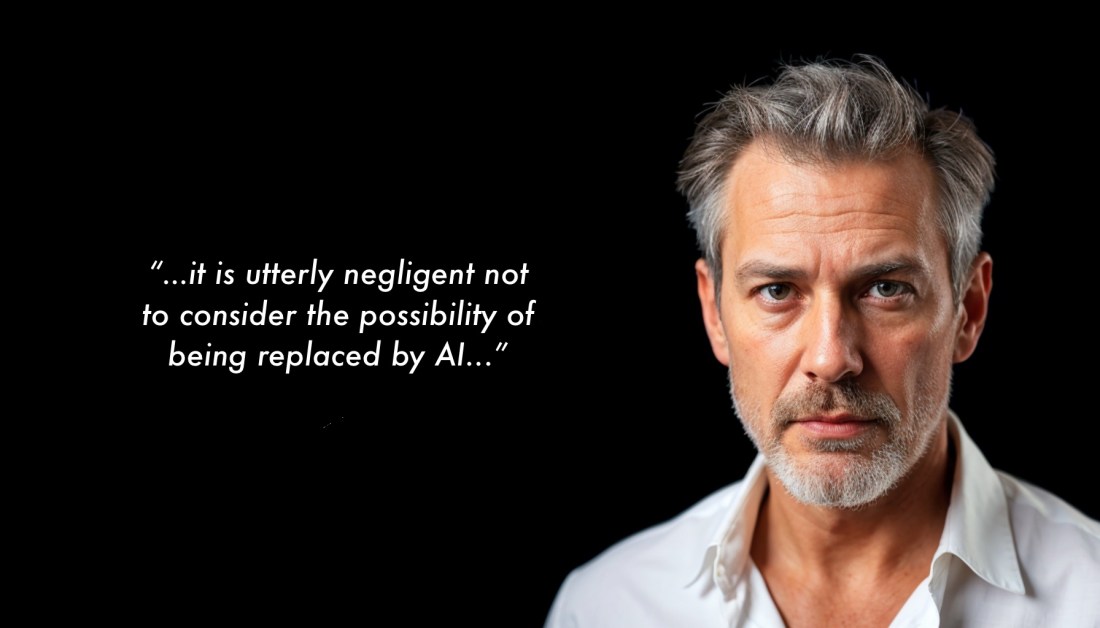
Yet, despite these technological advancements, a critical issue remains largely unaddressed: the potential replacement of leaders themselves by AI. Few take the time to reflect on the fact that AI could one day replace them too. This blind spot in understanding AI stems not only from a lack of engagement with the technology but also from deeper structural and psychological reasons that prevent leaders from fully confronting the possibility of their own dispensability.
The Article as a RethinkAudio – Listen. Reflect. Analyze. Advance.

Continue reading “Leadership: Will AI Take Over My Job?” →

Rethinkography: The Quiet Strength of Self-Contemplation

A Rethinking Impulse by Klaus-Dieter Thill

What it’s all about

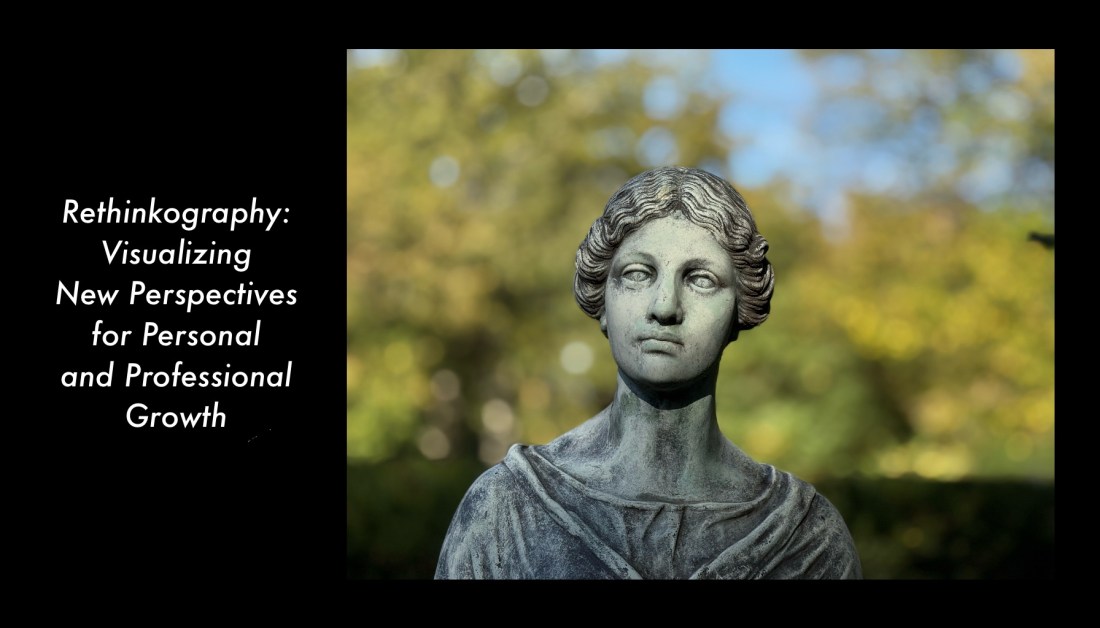
The title image of a sculpture captures the timeless face of a woman, her gaze fixed in a distant, serene contemplation. It is a portrayal of calm introspection and a quiet presence, a powerful metaphor for the concept of self-reflection and inner balance. Immobile yet profoundly expressive, the sculpture stands as a symbol of the strength that emerges from a state of stillness and contemplation.
This moment of pause represents a fundamental aspect of self-management: the ability to detach from the incessant stream of external stimuli and instead turn inward, seeking an inner stillness and constancy. This tranquillity is not a mere cessation of activity but rather an active posture, enabling us to perceive ourselves undisturbed and draw strength and clarity from within. For both life and work, this metaphor resonates deeply, as it underscores the need for conscious rethinking – a deliberate retreat from the flood of impressions, to listen within and gain a lucid understanding of one’s being and actions.

Continue reading “Rethinkography: The Quiet Strength of Self-Contemplation” →

Rethinking Leadership: The Flywheel Concept as the Key to Sustainable Success in the Digital Age

A Rethinking Impulse by Klaus-Dieter Thill

What It’s About

The Flywheel concept, first introduced by Jim Collins in his work on corporate leadership, is a revolutionary approach aimed at propelling organisations into a self-sustaining cycle of success through continuous momentum. Yet, to fully grasp and apply this concept as a leader, a profound, multi-faceted rethinking is required – a fresh approach to thinking that embraces philosophical, psychological, depth psychology, and occupational psychology perspectives. What does it mean to truly understand the Flywheel in the context of modern leadership, and how can it be effectively implemented in an ever-digitising world? This essay explores the various dimensions of the Flywheel concept, demonstrating why it is critical for self-management and leadership practices in the contemporary landscape.

The Article as a RethinkAudio – Listen. Reflect. Analyze. Advance.

Continue reading “Rethinking Leadership: The Flywheel Concept as the Key to Sustainable Success in the Digital Age” →

Rethinkography: The Carousel Metaphor of Self-Management

A Rethinking Impulse by Klaus-Dieter Thill

What it’s all about

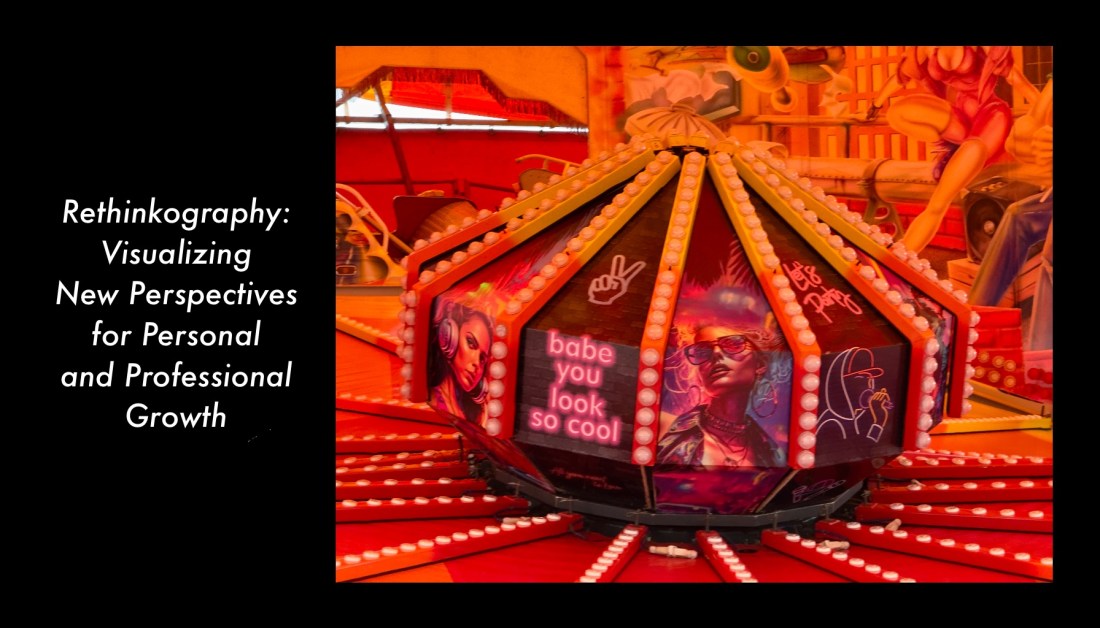
The image depicts a lively carousel element, painted in vivid colours and embellished with illustrations hinting at a carefree, rebellious lifestyle. At the centre, the phrase “babe, you look so cool” stands prominent, flanked by symbols and stylised figures that evoke freedom, individuality, and a certain restlessness. This scene serves as a powerful metaphor for the modern challenge of self-management, where individuality, self-expression, and perpetual change seem to dominate, while life itself spins in a continuous loop – much like a carousel.

Continue reading “Rethinkography: The Carousel Metaphor of Self-Management” →

Rethinking Leadership: The Second Brain Method as a Key to Success in the Digital Age

A Rethinking Impulse by Klaus-Dieter Thill

What it’s all about

In today’s complex work environment, characterised by a constant flow of information and increasing digital demands, leaders are expected not only to be agile and flexible but also to develop a profound structure in their self-management. This is where the “Second Brain” method by Tiago Forte comes into play. It offers an innovative approach to organising thoughts and information in a way that not only enhances leaders’ efficiency but also sustainably improves their creative and strategic abilities. But what are the deeper implications and challenges of this method from a rethinking perspective, and why should it be seen as particularly relevant in the context of digitisation?

The Article as a RethinkAudio – Listen. Reflect. Analyze. Advance.

Continue reading “Rethinking Leadership: The Second Brain Method as a Key to Success in the Digital Age” →

Rethinkography: A Monument to Introspection and Boundaries

A Rethinking Impulse by Klaus-Dieter Thill

What it’s all about

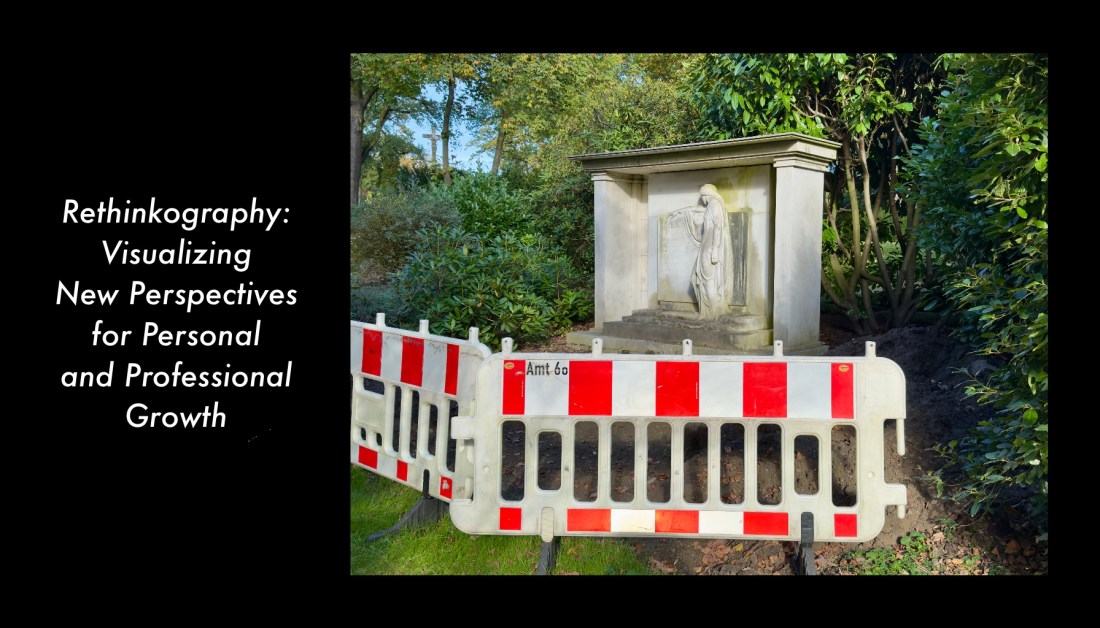
The title image shows a cordoned-off monument, depicting a veiled, introspective figure, seemingly retreating behind a barrier. This scene serves as a potent metaphor for self-management, particularly the necessity of occasionally shielding oneself from external influences to find clarity. The barrier represents a phase of separation, a protective mechanism against overwhelming external forces, while the veiled figure symbolises the state of introspection and self-reflection. The natural surroundings in the background embody the calm, unchanging environment in which this process can unfold once one engages in inner contemplation.

Continue reading “Rethinkography: A Monument to Introspection and Boundaries” →