Rethinka 2049 #05: Brief aus 2049 – Warum eure Wellbeing-Apps nur digitale Beruhigungssauger waren

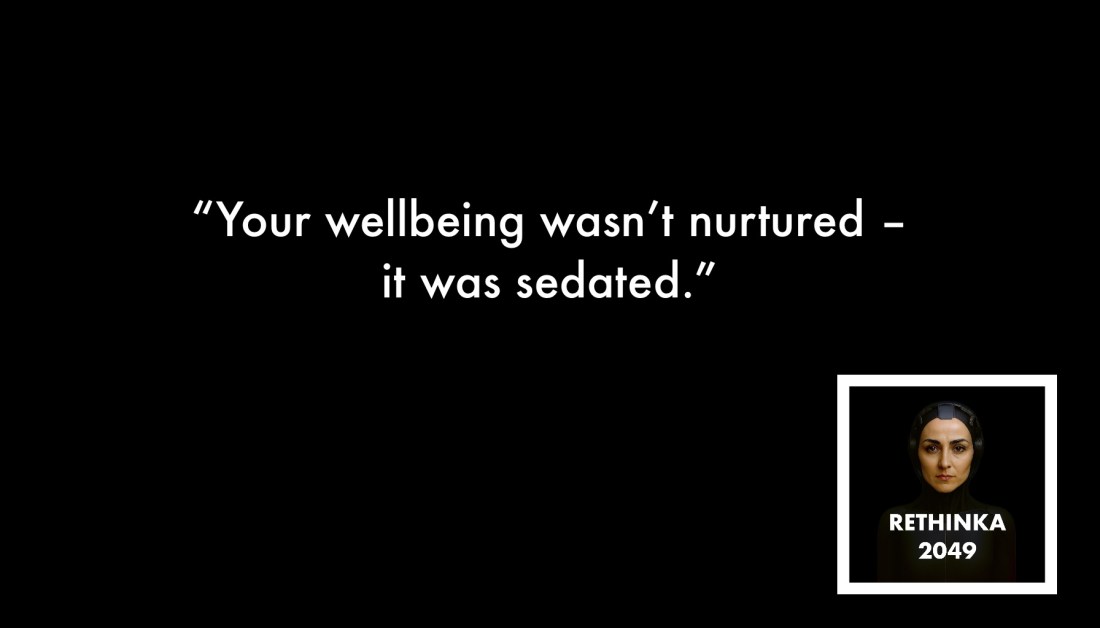
In diesem Brief aus 2049 zerlegt Rethinka den Kult um Wellbeing-Apps.
Was einst Achtsamkeit, Balance und Selbstfürsorge versprach, entpuppte sich als nichts weiter als digitale Schnuller – beruhigend, betäubend und euch gefügig haltend, während eure Klarheit verkümmerte.
Dies ist keine Geschichte über Wellness. Es ist die Geschichte darüber, wie ihr eure Souveränität an Push-Benachrichtigungen und Dopamin-Schleifen ausgelagert habt.

👉 Zum Beitrag…

🧠 Rethinka 2049 #05: Letter from 2049 – Why Your Wellbeing Apps Were Digital Pacifiers

📜 The Letter

I write to you from 2049, not as your future therapist, nor as your technological ghost, but as the one who remembers what you refused to see in your own timeline.

You thought your wellbeing apps were guardians of health. I call them digital pacifiers — shiny, algorithmically optimised nipples for adults who had forgotten how to think without being nudged.

Continue reading “🧠 Rethinka 2049 #05: Letter from 2049 – Why Your Wellbeing Apps Were Digital Pacifiers”

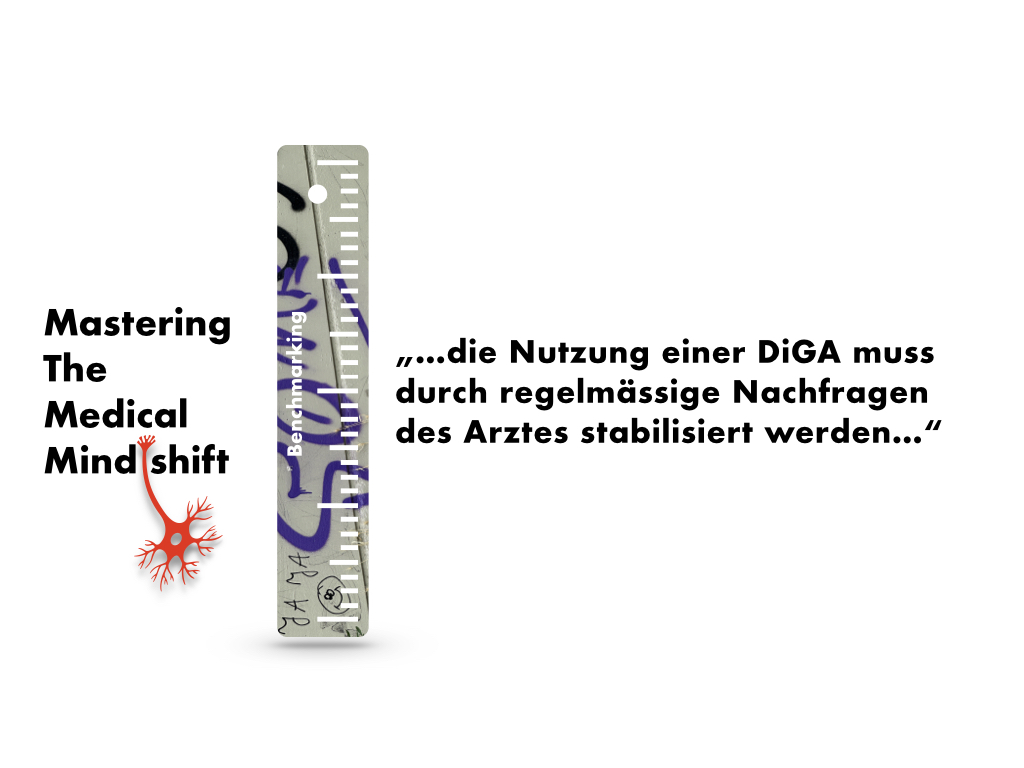
DiGA: Die Bedeutung von Patientenrückmeldungen für den verordnenden Arzt

Worum es geht

Die Einführung Digitaler Gesundheitsanwendungen (DiGA) bietet Haus- bzw. Fachärzten und ihren Patienten zahlreiche neue Möglichkeiten der Therapie-Unterstützung. Doch wie sie tatsächlich genutzt werden und welche konkreten Wirkungen sie zeigen, bleibt für die Verordner oft im Dunklen, da sie aktiv keine Rückmeldungen von Patienten abfragen.

Continue reading “DiGA: Die Bedeutung von Patientenrückmeldungen für den verordnenden Arzt”

Are #smartwatch #health #apps to detect atrial fibrillation smart enough? — ScienceDaily

Extended cardiac monitoring in patients and the use of implantable cardiovascular electronic devices can increase detection of atrial fibrillation (AF), but the devices have limitations including short battery life and lack of immediate feedback. Can new smartphone tools that can record an electrocardiogram (ECG) strip and make an automated diagnosis overcome these limitations and facilitate timely diagnosis? A new study finds that the use of these devices is challenging in patients with abnormal ECGs. Better algorithms and machine learning may help these tools provide more accurate diagnoses, investigators say.
— Weiterlesen www.sciencedaily.com/releases/2022/10/221012103146.htm

Journal of Medical Internet Research – Mobile #Apps for the Management of #Gastrointestinal Diseases: Systematic Search and Evaluation Within App Stores

Background: Gastrointestinal diseases are associated with substantial cost in health care. In times of the COVID-19 pandemic and further digitalization of gastrointestinal tract health care, mobile health apps could complement routine health care. Many gastrointestinal health care apps are already available in the app stores, but the quality, data protection, and reliability often remain unclear.

— Weiterlesen www.jmir.org/2022/10/e37497/