What it’s about
The feeling of revenge is a complex emotion that can naturally also occur among managers in a professional environment. The psychology behind these feelings is complex and can be attributed to various factors.
Strukturion of Future Thinking

The feeling of revenge is a complex emotion that can naturally also occur among managers in a professional environment. The psychology behind these feelings is complex and can be attributed to various factors.

One of the tasks of managers is to recognise the causes of different performance levels among employees. One example is recognising whether the cause of poor performance is laziness or underchallenge.
Continue reading “Underchallenged or lazy: How managers recognise the difference”

One of the behaviours of highly successful managers is to continuously look for ways to increase their efficiency, improve their emotional intelligence and optimise their decision-making. One method that is increasingly being discussed in this context is journaling. But is it actually a serious tool for self-management, or is it an esoteric gimmick? In this article, we will examine the practice of journaling in depth to assess its potential benefits and its place in a manager’s repertoire.
Continue reading “Journaling for managers: Esoteric gimmick or serious self-management tool?”

Ambition is an often praised character trait that drives many leaders to achieve exceptional performance. However, as with many virtues, ambition can also have a dark side. Excessive ambition can harm not only the leader themselves, but also their team and the organisation as a whole. This article examines in detail when ambition becomes harmful to a leader and what measures can be taken to maintain a healthy balance.

Feedback is an essential tool in the management process. When used professionally, feedback not only serves to improve performance, but also to motivate and develop employees professionally. However, an unprofessional approach to this tool can also lead to mistakes that do more harm than good. This article outlines the five most common mistakes made by managers when giving feedback and their negative consequences.

Appreciation in the workplace is a key factor for the well-being and productivity of employees. Nevertheless, there are managers who do not express appreciation to their employees. There are many reasons for this, ranging from individual personality traits to structural and cultural factors within an organisation. This article examines in detail the various mechanisms and motivations that prevent managers from showing appreciation to their employees.
Continue reading “Why? The mechanisms and motives for a lack of employee appreciation by managers”

Self-management is a crucial skill for managers. This competence includes the ability to reflect on oneself, to organise, to set goals and to pursue them efficiently. However, this can also lead to misjudgements. One example is the confusion between discipline and rigour. Although they are often used interchangeably, there are key differences between them that can have a significant impact on leadership quality.
Continue reading “Leadership Doppelgangers: Discipline versus rigidity”

Harmony in teams is a key feature of successful collaboration. It promotes mutual respect, motivation and facilitates communication. These positive characteristics lead to a working environment in which creativity and productivity can flourish. But there is also a flip side to this coin: too much harmony can have a toxic effect and hinder the team’s development. Below we look at when harmony becomes harmful, how to recognise it and what negative consequences it can have for a team.
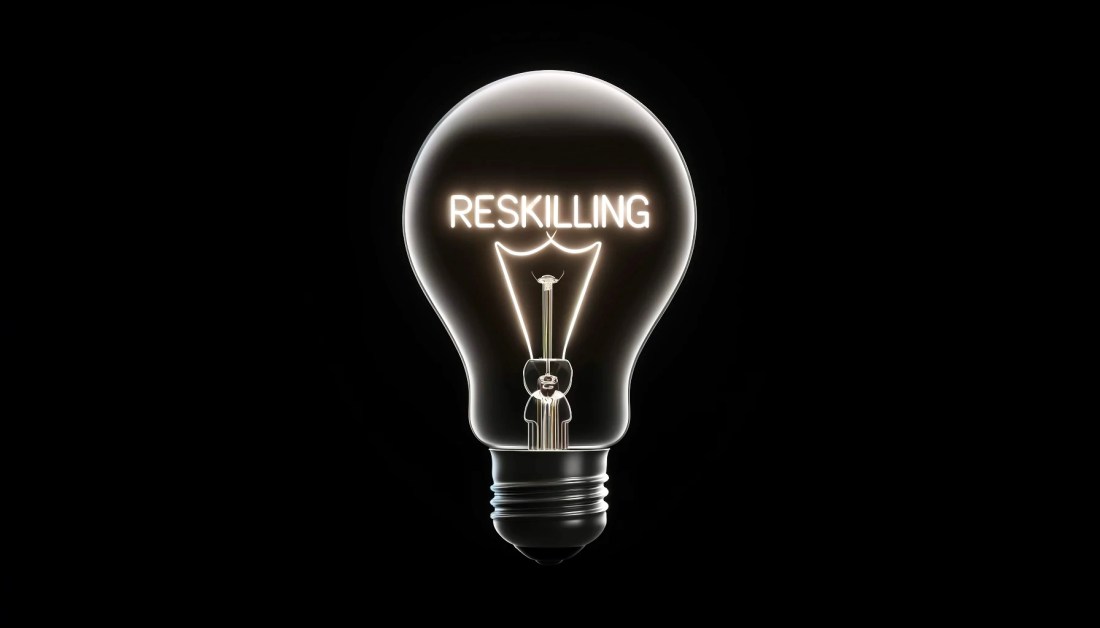
In an environment of technological innovation and global developments, managers need to constantly develop their skills and knowledge; the traditional understanding of management is no longer sufficient to meet the complex requirements. Instead, comprehensive reskilling is required, focussing on various key areas.
Continue reading “Leadership success and the necessity of reskilling”

Metaphors are a good way of making complex ideas or effects understandable, vivid and tangible. One such metaphor is that of “sarcopenia through routines”. Originally from the field of medicine, this term is used in a figurative sense to illustrate the negative effects of overly rigid routines in organisations.
Continue reading “Sarcopenia through routines: Insights and action strategies for managers”
 R2049
R2049 