Outpatient medicine: Precision versus gut feeling

Data, facts and instruments on the German health system

What it’s all about

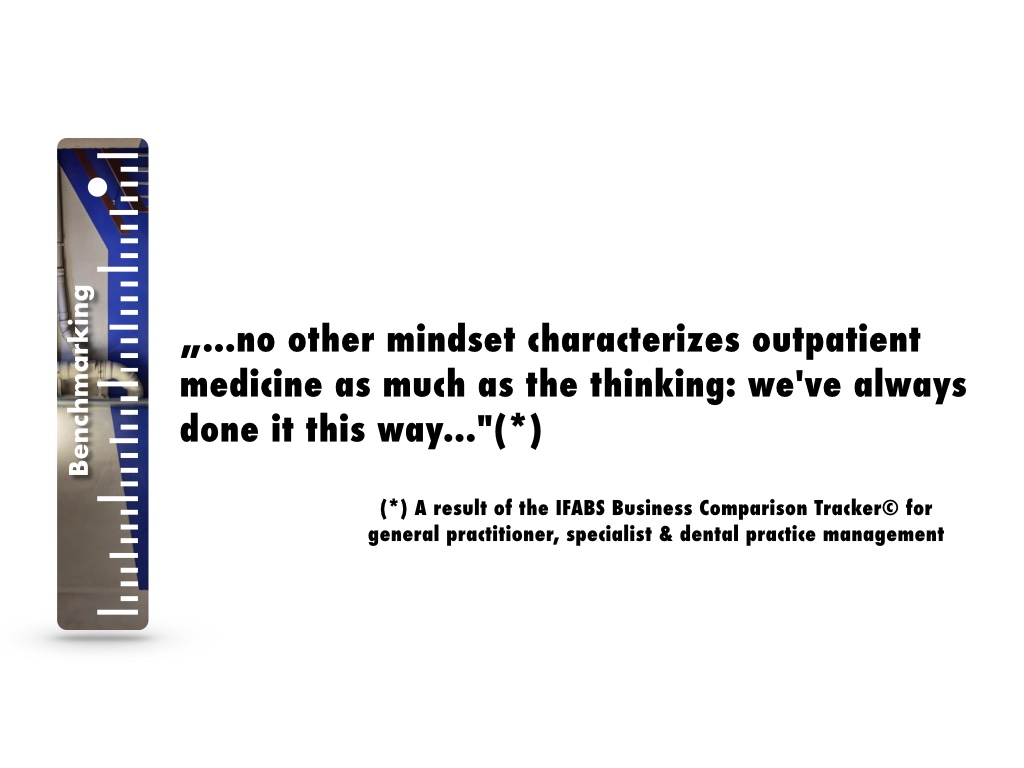
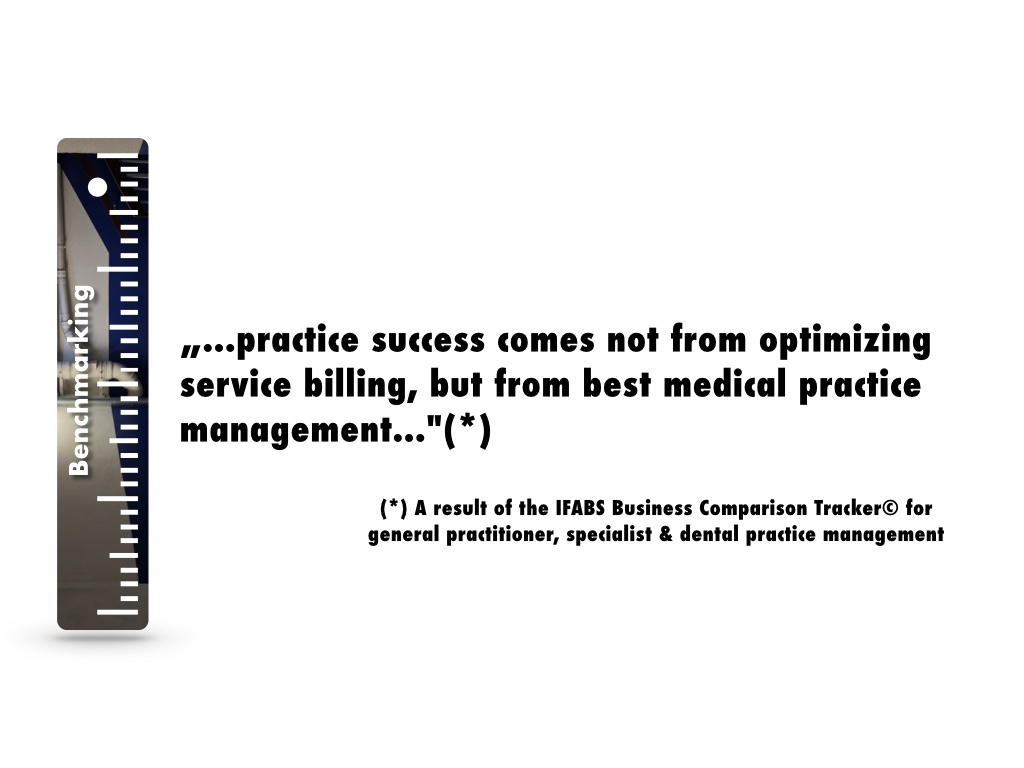
When it comes to the medical care of patients in medical practices, the focus is on precision. Here, measurements are carefully recorded and analysed to ensure the most accurate diagnosis and treatment possible. But when it comes to assessing the quality of practice management, assumptions and gut feelings dominate. This leads to glaringly wrong decisions, which could be avoided if practice owners used the laboratory values of their practice management.

Continue reading “Outpatient medicine: Precision versus gut feeling”
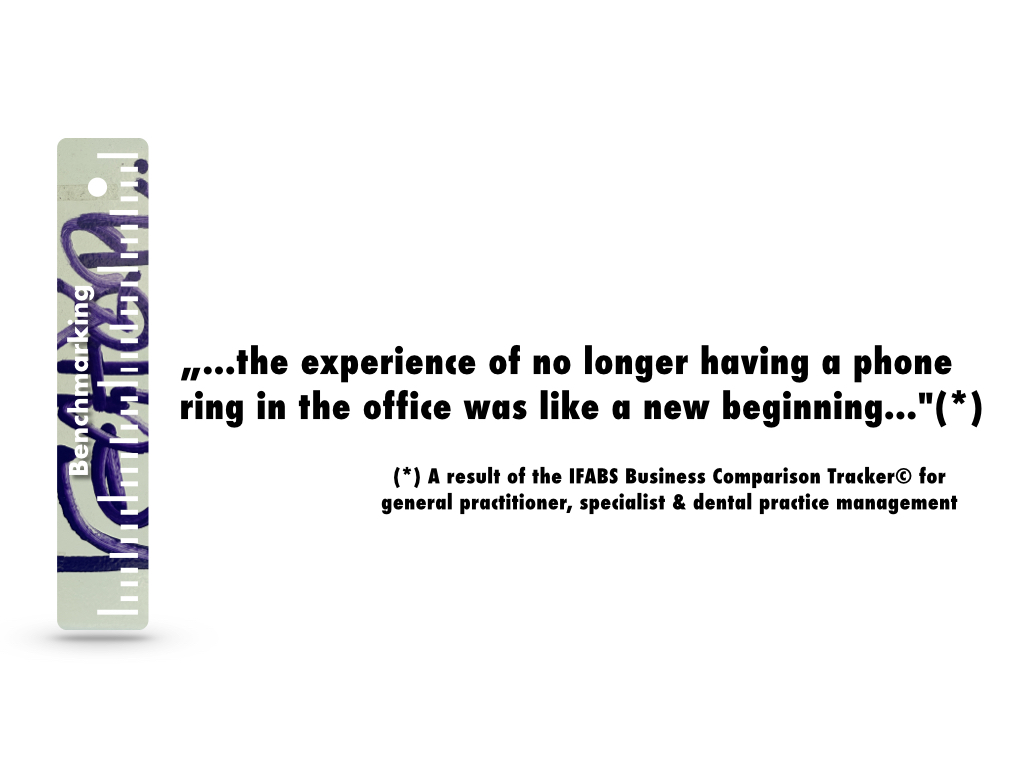
Digitisation: The benefit profile of digital voice assistants as a telephone replacement

Data, facts and instruments on the German health system

What it’s about

As initial experience shows, work in GP and specialist practices benefits noticeably in several respects and especially in day-to-day business from the use of digital voice assistants instead of the conventional telephone.

Continue reading “Digitisation: The benefit profile of digital voice assistants as a telephone replacement”

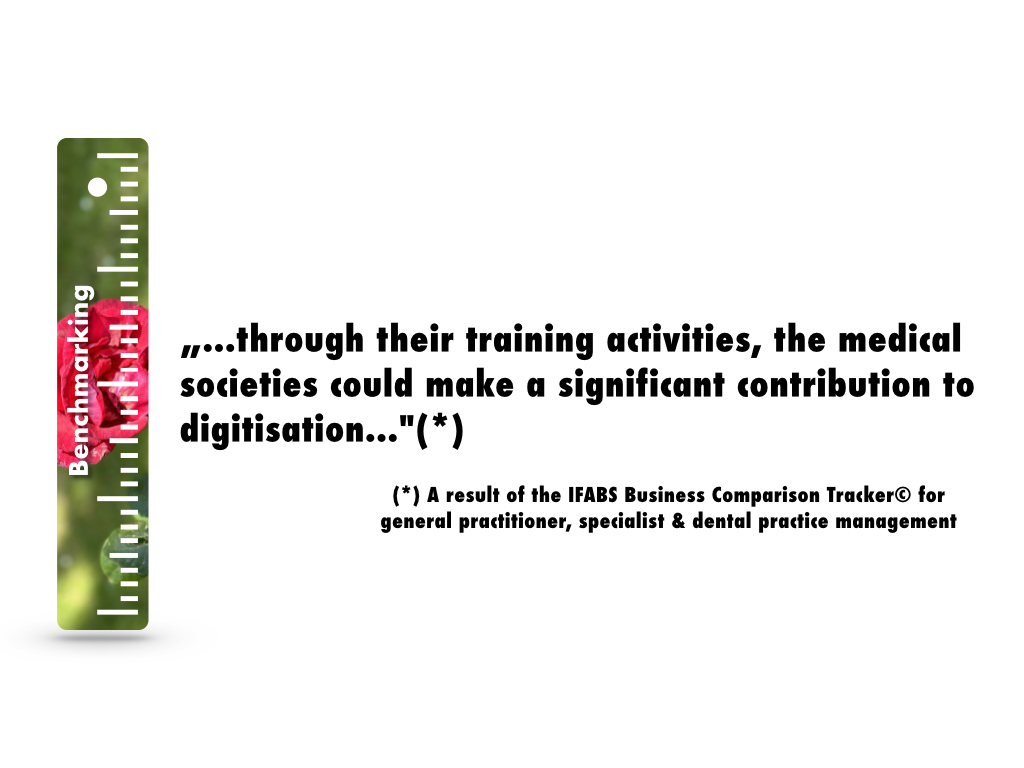
Digitisation of GP and specialist practices: What medical professional associations could do to help progress

Data, facts and instruments on the German health system

What it’s all about

Medical associations and specialist societies comment on the topic of “digitisation” in strategy and concept papers as well as in press releases, but the matter has so far not been included at all or only to a limited extent in the continuing education activities for their members.

Continue reading “Digitisation of GP and specialist practices: What medical professional associations could do to help progress”

Shortage of skilled workers in medical practices: Two strategies that are hardly mentioned, but which help in concrete terms

Data, facts and instruments on the German health system

What it’s about

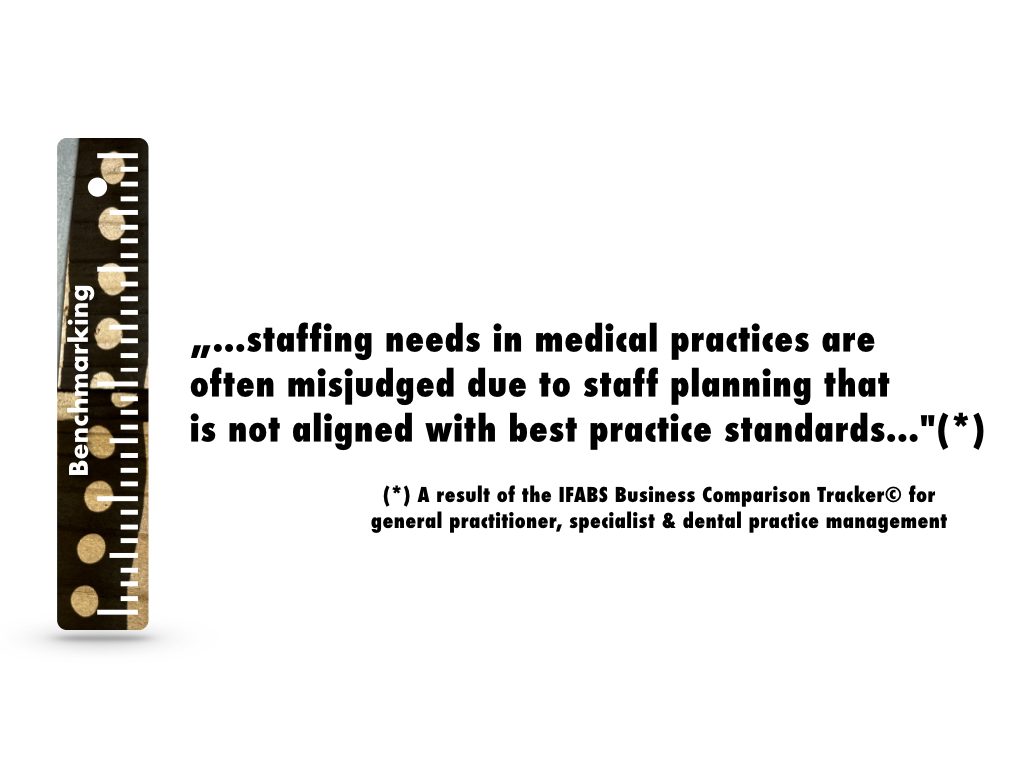
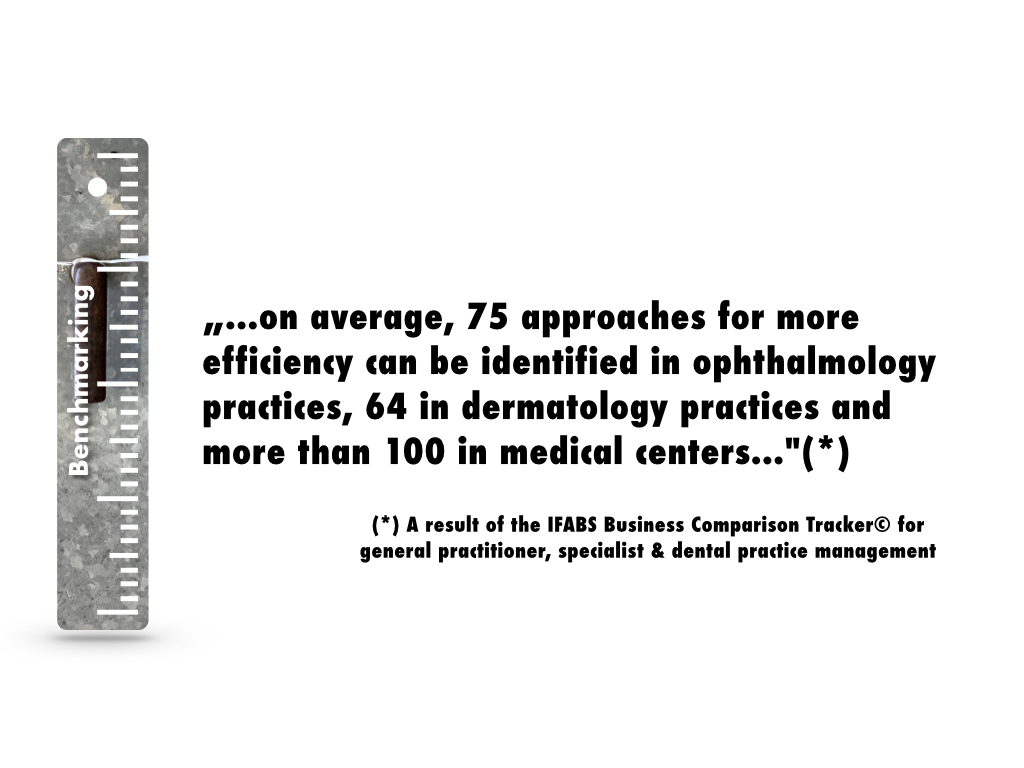
In the meantime, there is a multitude of proposals on how the problem of the shortage of medical specialists can be countered. They range from more appreciation and better pay to a general upgrading of the profession and the offer of a 4-day week. In contrast, there is hardly any talk about eliminating practice management insufficiency and about digitalisation. But practice owners have two acutely useful alternatives to solve their problem.

Continue reading “Shortage of skilled workers in medical practices: Two strategies that are hardly mentioned, but which help in concrete terms”

Outpatient care: Clear need to catch up on effectiveness and efficiency of practice management

Data, facts and instruments on the German health system

What it’s all about

In today’s world, effectiveness and efficiency are important factors for a successful medical practice. While many established general practitioners and specialists often avoid these topics, the younger generation of physicians recognises their central importance for sustainable and patient-centred practice management. Effectiveness refers to the achievement of goals, while efficiency means that the goal is reached with as little effort as possible.

Continue reading “Outpatient care: Clear need to catch up on effectiveness and efficiency of practice management”

Practice management: Most primary care physicians and specialists delegate incorrectly

Data, facts and instruments on the German health system

What it’s all about

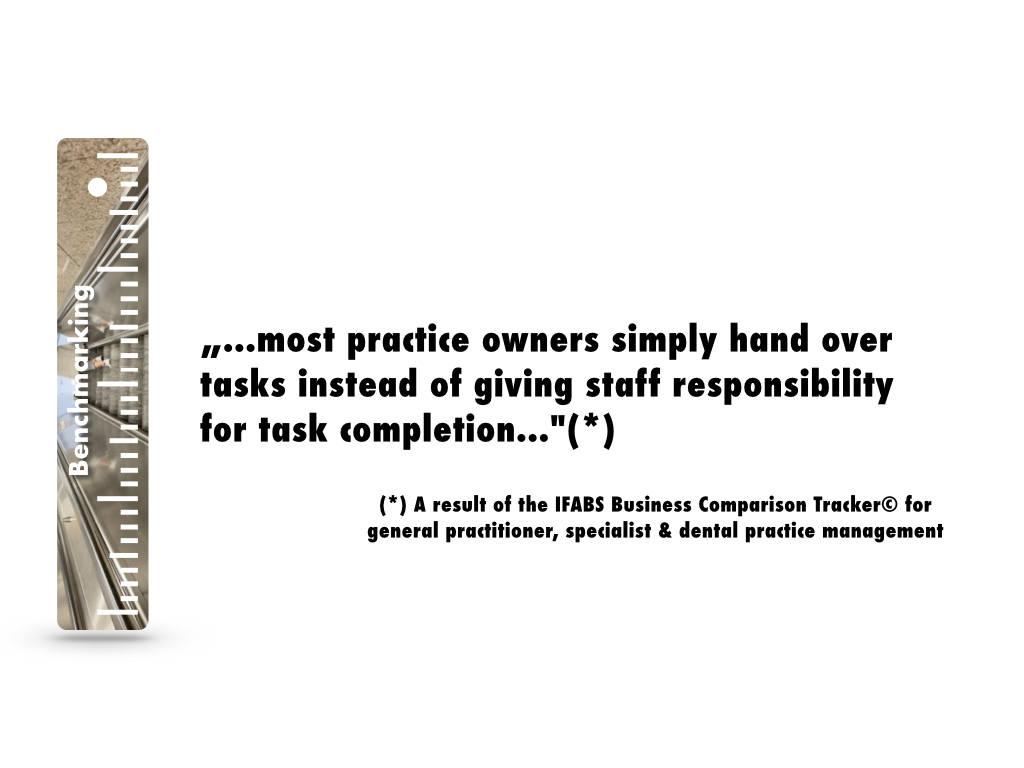
Medical assistants are playing an increasingly important role in family and specialist practices. Delegating tasks to female staff has long since ceased to be a necessity based on the principle of division of labor, and is now an opportunity for physicians in private practice to optimize their workflow and patient care. Yet most practice owners delegate incorrectly.

Continue reading “Practice management: Most primary care physicians and specialists delegate incorrectly”

Routines in everyday practice: when the tried and tested becomes a danger

What it’s all about

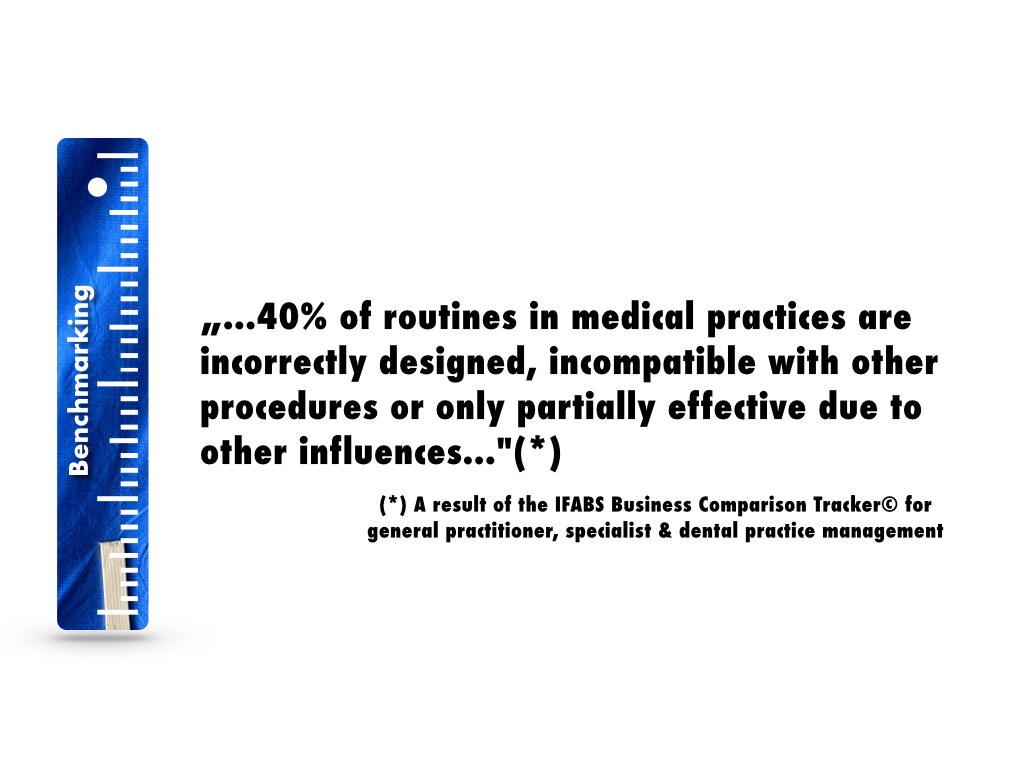
Routines are fixed procedures in practice management that help doctors and medical assistants to complete their tasks quickly, effectively and efficiently. Used correctly, they increase productivity and reduce stress levels in the team. But beware: in many practices, routines pose a danger because they are too rarely reviewed for their effectiveness.

Continue reading “Routines in everyday practice: when the tried and tested becomes a danger”

Mastering the medical mindshift: The quality of practice management can be objectively determined

Data, facts and instruments on the German health system

What it’s all about

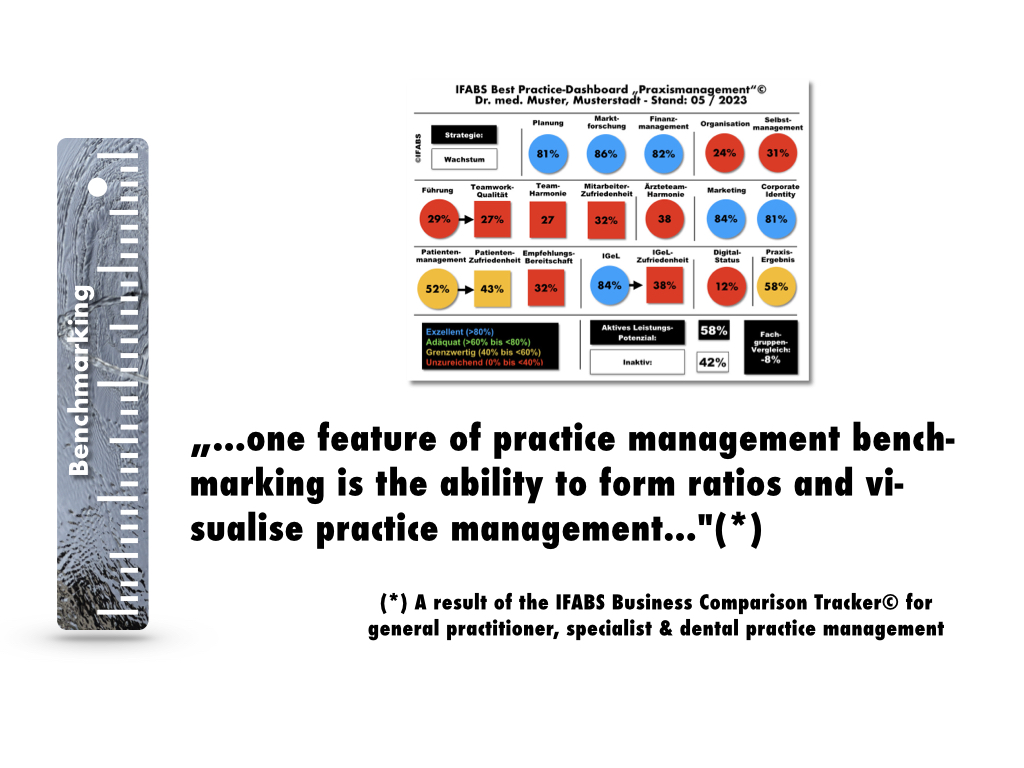
GPs and specialists often assess the quality of their practice management according to subjective criteria or indicators of patient satisfaction. But these benchmarks are far too general, unreliable and do not provide detailed, realistic information about the actual state of affairs. A performance feature of practice management benchmarking is the ability to form ratios and to visualise the entire practice management clearly at a glance. This makes it possible to make a quick and comprehensive assessment of strengths, weaknesses, threats as well as opportunities and to prospectively align the work with goals.

Continue reading “Mastering the medical mindshift: The quality of practice management can be objectively determined”