Management: The disadvantages of non-systemic analyses and coaching

What it’s all about

Analyses and coaching are important tools for improving the efficiency and effectiveness of people and organisations. However, if these measures are not systemic in nature, they can have considerable disadvantages. This article highlights the negative effects of such approaches on an individual and organisational level.

Continue reading “Management: The disadvantages of non-systemic analyses and coaching”

Self-reflection navigator for managers on the quality of meetings

What it’s all about

Meetings are a central part of organisational management and serve as a platform for decision-making, collaboration and strategic planning. For leaders, conducting high quality meetings is critical to ensuring effective communication, engagement and productivity. The Self-Reflection Navigator on Meeting Quality provides a comprehensive guide to self-reflection, structured around the key aspects of meeting effectiveness. By addressing these areas, leaders can identify strengths, uncover areas for improvement and implement strategies to optimise their meeting practices.

Continue reading “Self-reflection navigator for managers on the quality of meetings”

Thinking small versus thinking big: A strategic guide for managers

What it’s all about

In management, success is also determined by the way managers think. Two terms that play a central role in this context are “thinking small” and “thinking big”. These concepts influence not only the strategic direction of an organisation, but also the way in which potential can be activated within a team. This article defines these terms, discusses the risks of thinking small and presents practical approaches for leaders to encourage a more generous and forward-thinking mindset.

Continue reading “Thinking small versus thinking big: A strategic guide for managers”

Die fünf häufigsten Fehler von Führungskräften beim Geben von Feedback und ihre negativen Folgen

Worum es geht

Feedback ist ein wesentliches Instrument im Führungsprozess. Professionell eingesetzt dient es nicht nur der Leistungsverbesserung, sondern auch der Motivation und der beruflichen Entwicklung der Mitarbeiter. Ein unprofessioneller Umgang mit diesem Instrument kann aber auch zu Fehlern führen, die mehr schaden als nützen. In diesem Artikel werden die fünf häufigsten Fehler, die von Führungskräften beim Feedback gemacht werden, und deren negative Folgen dargestellt.

Continue reading “Die fünf häufigsten Fehler von Führungskräften beim Geben von Feedback und ihre negativen Folgen”

The limits of positive energy as a management tool

What it’s all about

Positive energy in management is often seen as a key to success. It promotes motivation, creativity and commitment in the team. However, this method also has its limits. This article examines where the effectiveness of positive energy as a management tool ends and the challenges that can arise.

Continue reading “The limits of positive energy as a management tool”

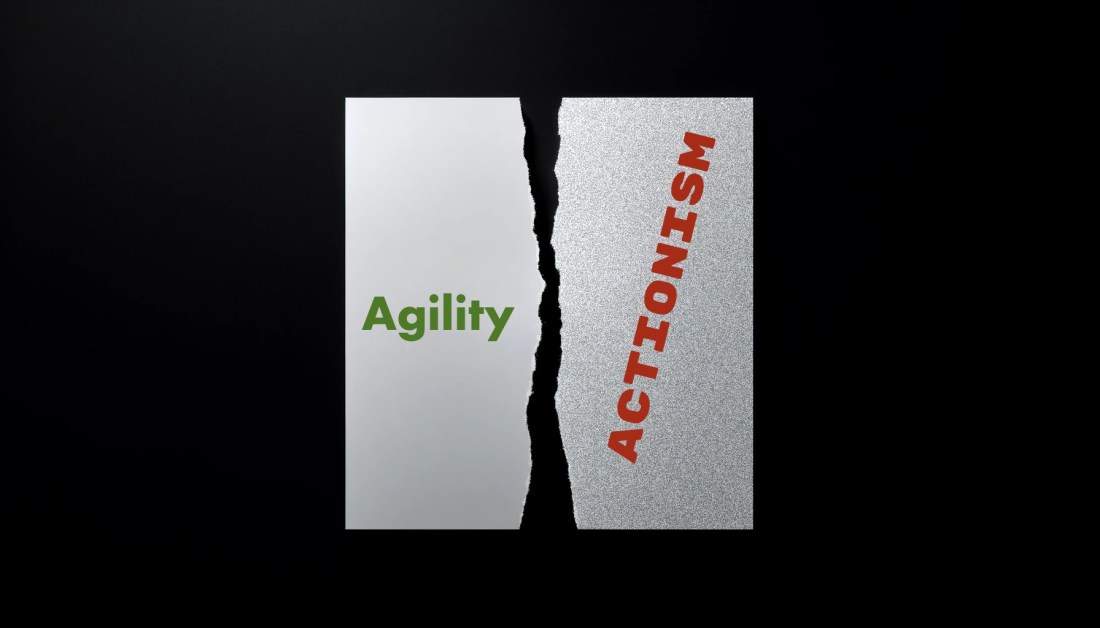
The fine line between agility and actionism in leadership: A detailed analysis

Summary

The article outlines the critical differences between agile leadership, which promotes adaptability and team empowerment, and actionist leadership, characterized by hasty, uncoordinated actions lacking long-term vision, emphasizing the disadvantages of the latter for both managers and employees.

Continue reading “The fine line between agility and actionism in leadership: A detailed analysis”

Why managers often don’t get to the point in employee appraisals

What it’s all about

Employee appraisals are an essential tool in day-to-day management, but many managers find it difficult to conduct these discussions efficiently and purposefully. This often leads to lengthy discussions that are not satisfactory for either the manager or the employee. The reasons for this are complex and lie both in the psychological dynamics of these discussions and in the structural framework conditions of the company.

Continue reading “Why managers often don’t get to the point in employee appraisals”

Full vs. fulfilling working days: Why some managers experience their job differently

What it’s all about

Managers face numerous challenges. Deadline pressure, decision-making responsibility and the constant endeavour to lead employees effectively and achieve business goals fill the working day. But while many managers report a packed diary, there are also those who find their working day fulfilling. This article explores the differences between these two types of leaders and sheds light on which practices and attitudes can lead to a more fulfilling workday.

Continue reading “Full vs. fulfilling working days: Why some managers experience their job differently”