This Rethinking Impulse highlights the need to transform salary negotiations from a source of mistrust into a moment of mutual recognition, trust, and employee motivation by addressing toxic leadership mindsets and fostering open dialogue.
THOR5112
Structural Reconstructions
This Rethinking Impulse highlights the need to transform salary negotiations from a source of mistrust into a moment of mutual recognition, trust, and employee motivation by addressing toxic leadership mindsets and fostering open dialogue.
THOR5112

„Trust builds loyalty – postponements destroy both.“
Have you ever wondered why salary discussions often end with excuses and delays? There exists a range of pervasive misconceptions and toxic mindsets that seem to justify this practice:
“Clarity sharpens decisions; focus fuels execution.”
Focus – a concept revered yet rarely perfected. In an era rife with distractions, the ability to direct one’s undivided attention towards a singular task feels increasingly elusive. Be it the incessant lure of notifications, the relentless deluge of emails, or the ceaseless temptation to oscillate between tasks, the modern world presents an unrelenting assault on our cognitive faculties.
This Rethinking Impulse unveils the transformative power of soft skills, demonstrating their essential role in leadership, team dynamics, and organisational success, while challenging outdated perceptions of these competencies as merely optional or secondary.
THOR5110

“Soft skills aren’t optional—they are the essence of visionary leadership.”
Soft skills – a term that has circulated in management circles for decades yet remains rarely understood in its depth. Too often, they are dismissed as “soft” abilities, implying they are less significant than measurable, tangible competencies. This perspective is not merely flawed; it is profoundly detrimental. In an era where the complexity of work environments, interpersonal relationships, and global challenges grows exponentially, soft skills are no longer optional; they are indispensable. To understand why they are vital for any leader and how a radical rethink of their role can lead to both personal and professional excellence, we must begin by dismantling the most common misconceptions.
„Great leadership starts with great self-awareness.“
Every leader operates within a framework of mental patterns that shape their decisions and behaviours. Many of these patterns are beneficial – they enhance clarity, decisiveness, and authority. However, some mindsets are inherently toxic, hindering not only your own development but also damaging your team and the organisational culture.

„Growth begins where self-limitation ends.“
“I am just the way I am.” At first glance, this phrase appears to embody self-acceptance, authenticity, and perhaps even a healthy degree of self-assurance. Yet, on closer inspection, it often reveals itself as a mental stronghold – one that renders us inflexible, stifles growth, and prevents us from realising our full potential. Those who subscribe to this belief draw an invisible line between themselves and the possibility of transformation.

„Focus fuels action; clarity creates results.“
Self-discipline – a term that often leaves a bitter taste. We are well aware of its importance in achieving personal and professional goals, yet the path to discipline is strewn with excuses, distractions, and inner resistance. Whether it’s about adopting healthier habits in your private life or staying committed to long-term projects at work, success remains elusive without discipline. Amid these challenges, entrenched thought patterns exacerbate the struggle: “I’m just not disciplined enough,” “It’s pointless anyway,” or “I’ll start tomorrow.” These mental traps reinforce old habits and stifle progress. This is where the transformative power of the R2A formula – Reflect, Analyze, Advance – comes into play. It offers a structured framework to dismantle mental barriers and cultivate a fresh approach to discipline.
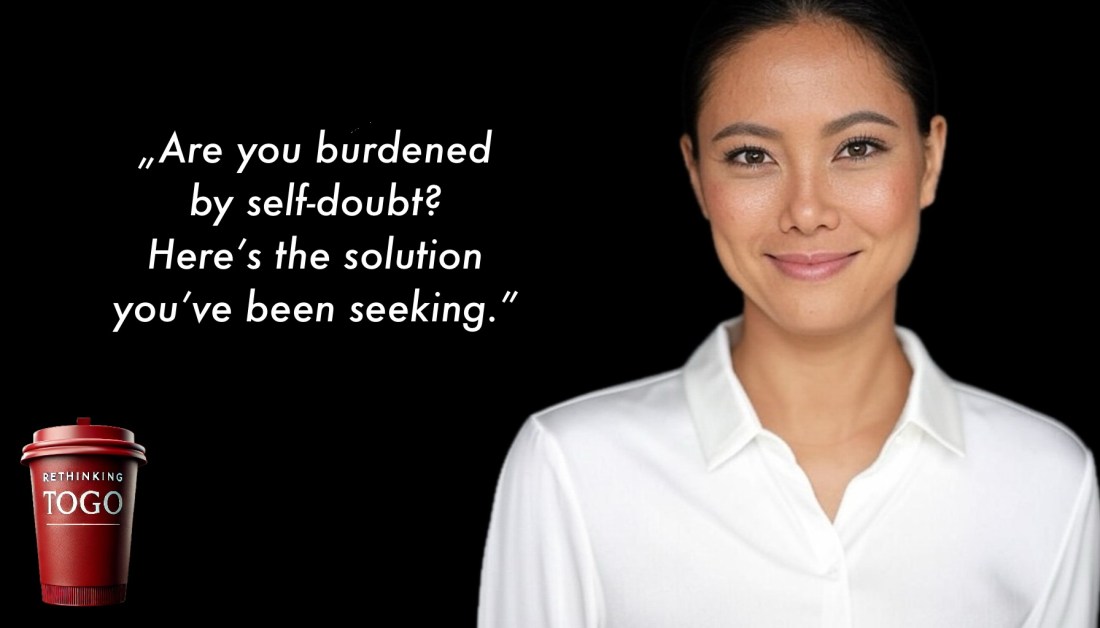
„Self-doubt is a signal, not a verdict, reflect, analyze, advance.“
Self-doubt is one of life’s silent saboteurs – creeping into our minds, distorting our self-perception, and holding us back from realising our fullest potential. In personal life, it can inhibit genuine connections or prevent us from voicing our true needs. Professionally, it stifles confidence, hampers decision-making, and keeps us from seizing leadership opportunities. Self-doubt often arises from entrenched patterns of thought rooted in overly critical inner dialogues or past disappointments. These patterns act like filters, obscuring opportunities and anchoring us in a cycle of hesitation.

“Release the old, embrace the new.”
The cover image depicts a solitary gate, standing resolutely amidst a tempestuous seascape. It appears as a vestige of the past, juxtaposed against the raw force of nature and a storm-laden sky. This gate symbolises transitions and pivotal moments in life – instances where individuals stand on the precipice of the unknown, choosing either to pause or to proceed. It embodies both the comfort of familiarity and the allure of open possibilities. Within the context of self-management, this metaphor addresses the domain of “Transition and Conscious Realignment”, which pertains to the ability to embrace, navigate, and shape life’s turning points as opportunities for growth.
 R2049
R2049 