Instant Sparks for Leaders: Why evolution beats revolution in transformations

What it’s about

Leaders are constantly faced with the challenge of transforming their teams and organisations to meet changing market demands, integrate technological innovations or increase efficiency and productivity. The central question is: is it better to achieve this transformation through a gradual, evolutionary method or through an abrupt, revolutionary change?

Continue reading “Instant Sparks for Leaders: Why evolution beats revolution in transformations”

The art of efficient instructions: 4 communication tips for managers

What it’s all about

Managers face the daily challenge of giving their employees clear, precise, understandable and motivating instructions. This is not only crucial for the efficiency and productivity of the team, but also for the satisfaction and commitment of employees. In this article, we explain how managers can formulate effective instructions that achieve these goals.

Continue reading “The art of efficient instructions: 4 communication tips for managers”

How managers communicate efficiently with their team

What it’s all about

The efficiency of communication processes within a team of employees is a key factor in the success of an organisation. Managers play a crucial role in ensuring that communication not only takes place, but is also effective and efficient. But how can they check and organise this? This article highlights the relevant criteria for this.

Continue reading “How managers communicate efficiently with their team”

Early indicators of impending team conflicts: A guide for managers

What it’s all about

Teams are at the heart of productive companies. Cohesion and efficient cooperation within this form of collaboration is crucial for success. Managers are therefore faced with the challenge of not only adequately managing the performance of their teams, but also recognising and resolving potential conflicts at an early stage. Early indicators play a central role here. These indicators, which are often subtle and difficult to recognise, can give managers valuable clues that a conflict could seriously jeopardise the team structure.

Continue reading “Early indicators of impending team conflicts: A guide for managers”

Positioning for managers: The fine line between persistence and stubbornness

What it’s all about

Managers are expected to master a variety of challenges, from managing employees to making strategic decisions and adapting to market changes. One is to find the balance between persistence and stubbornness. While perseverance is often seen as a virtue, stubbornness can lead to problems. But how can managers recognise the difference and ensure that they act persistently but not stubbornly?

Continue reading “Positioning for managers: The fine line between persistence and stubbornness”

Leadership Doppelgangers: Discipline versus rigidity

What it’s all about

Self-management is a crucial skill for managers. This competence includes the ability to reflect on oneself, to organise, to set goals and to pursue them efficiently. However, this can also lead to misjudgements. One example is the confusion between discipline and rigour. Although they are often used interchangeably, there are key differences between them that can have a significant impact on leadership quality.

Continue reading “Leadership Doppelgangers: Discipline versus rigidity”

The risks of toxic team harmony

What it’s all about

Harmony in teams is a key feature of successful collaboration. It promotes mutual respect, motivation and facilitates communication. These positive characteristics lead to a working environment in which creativity and productivity can flourish. But there is also a flip side to this coin: too much harmony can have a toxic effect and hinder the team’s development. Below we look at when harmony becomes harmful, how to recognise it and what negative consequences it can have for a team.

Continue reading “The risks of toxic team harmony”

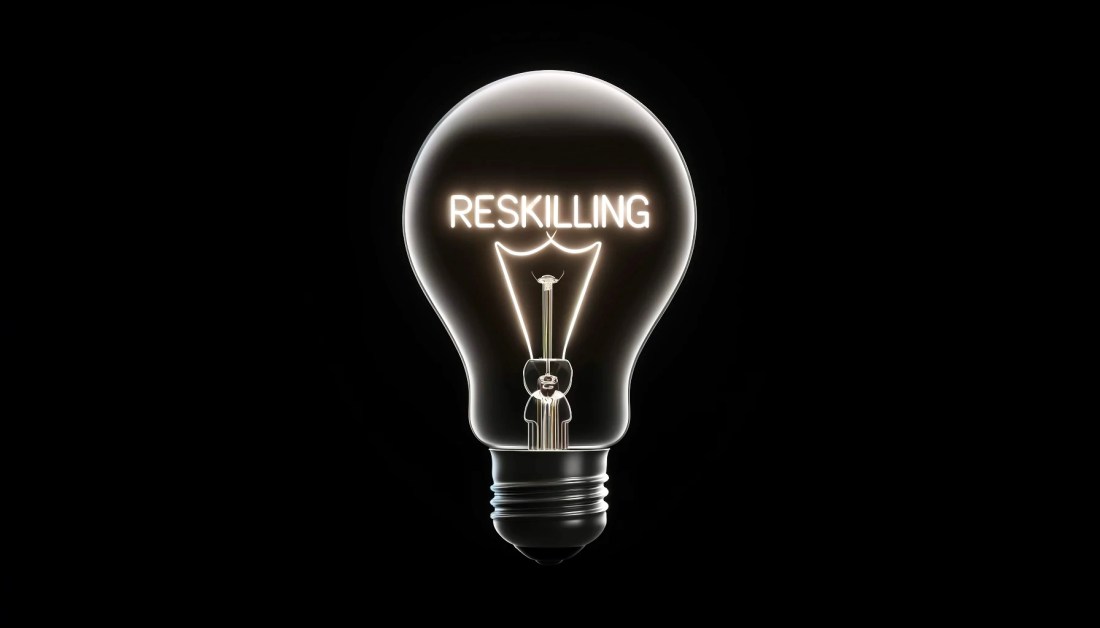
Leadership success and the necessity of reskilling

What it’s all about

In an environment of technological innovation and global developments, managers need to constantly develop their skills and knowledge; the traditional understanding of management is no longer sufficient to meet the complex requirements. Instead, comprehensive reskilling is required, focussing on various key areas.

Continue reading “Leadership success and the necessity of reskilling”

Sarcopenia through routines: Insights and action strategies for managers

What it’s all about

Metaphors are a good way of making complex ideas or effects understandable, vivid and tangible. One such metaphor is that of “sarcopenia through routines”. Originally from the field of medicine, this term is used in a figurative sense to illustrate the negative effects of overly rigid routines in organisations.

Continue reading “Sarcopenia through routines: Insights and action strategies for managers”