Data, facts and instruments on the German health system
What it’s all about
Work pressure, stress and demotivation: in many GP and specialist practices, these sensations are daily routine. But this does not have to be the case.
Strukturion of Future Thinking

Data, facts and instruments on the German health system
Work pressure, stress and demotivation: in many GP and specialist practices, these sensations are daily routine. But this does not have to be the case.

The demands that patients place on physiotherapy care have changed significantly in recent years. This can be seen, among other things, in the fact that today – unlike just a few years ago – practice visitors talk about “ambience”, “service” and “customer friendliness” in connection with physiotherapy practices. The desire for digital services such as online appointments is also increasing.

Data, facts and instruments on the German health system
“I know my customers!”: probably no phrase is used more frequently by pharmaceutical sales staff. But it only applies to the medical work of the doctors and possibly to private aspects. But a look beyond the purely preparation-related horizon would open up a new and important dimension for customer value.
Continue reading “Pharmaceutical sales: How thinking outside the box objectifies customer value”
Data, facts and instruments on the German health system
Smoothly functioning practice management is the central starting point for achieving all conceivable practice goals: reducing work pressure, increasing efficiency and productivity, further improving patient satisfaction, increasing success or securing the future. But how do practice owners succeed in aligning their management in this way, even in the context of dynamically changing working conditions?
Continue reading “Practice management: Achieving your goals with key figures”
Data, facts and instruments on the German health system
Conflicts between medical professionals have fundamentally destructive effects on the quality of care and work of GP and specialist practices and are detrimental to the overall success of the practice, especially if they remain unresolved for a longer period of time. The entrepreneurial owners of high-performance practices (HPPs) therefore see conflict prevention and curation as their personal task and take care of the issue professionally, both preventively and curatively. With them, Eris, the goddess of conflict in Greek mythology, has little chance of success.
Continue reading “Mastering the medical mindshift: The anti-Eris strategy”

Data, facts and instruments on the German health system
In order to optimise their time management, general practitioners and specialists must also take into account visits from pharmaceutical representatives.
Continue reading “Medical time management: The disruptive factor of pharmaceutical visits”
Data, facts and instruments on the German health system
Many established practice owners are convinced that, due to their size, they do not need any special leadership measures, since the interaction of the staff results natively from the tasks to be done and the staff already know how to help themselves when problems and questions arise. A serious mistake.
Continue reading “Mastering the medical mindshift: Why leadership is so important”
Data, facts and instruments on the German health system
Excessive waiting times, uncoordinated procedures, poor telephone accessibility, hectic consultations with doctors – deficits in practice organisation are the number one point of criticism when patients are asked about their satisfaction with medical practices. are asked. Doctors and staff are also negatively affected. About 2/3 of the problems identified in practice analyses come from the area of organisational design. Doctors and their staff also suffer from this stress, anger and demotivation are the consequences of unresolved organisational deficits.
Data, facts and instruments on the German health system
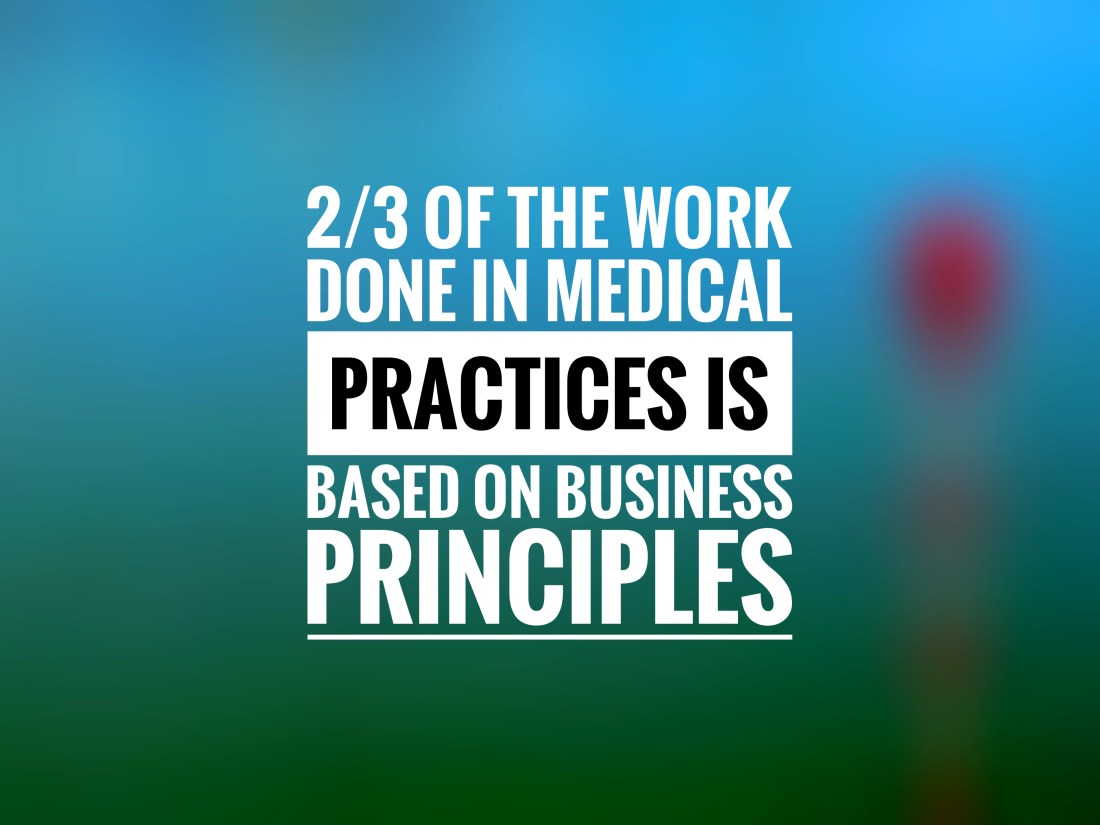
Physicians in private practice have a distant to negative relationship to the term “business management”. Ignorance and prejudice are mainly responsible for this. But this attitude means that important tools that can acutely improve patient care, ensure the flexibility needed for transformation in the medium term and secure the success of the practice in the long term are not used.

Data, facts and instruments on the German health system
“Alone we can do so little, together we can do so much.” (Helen Keller)
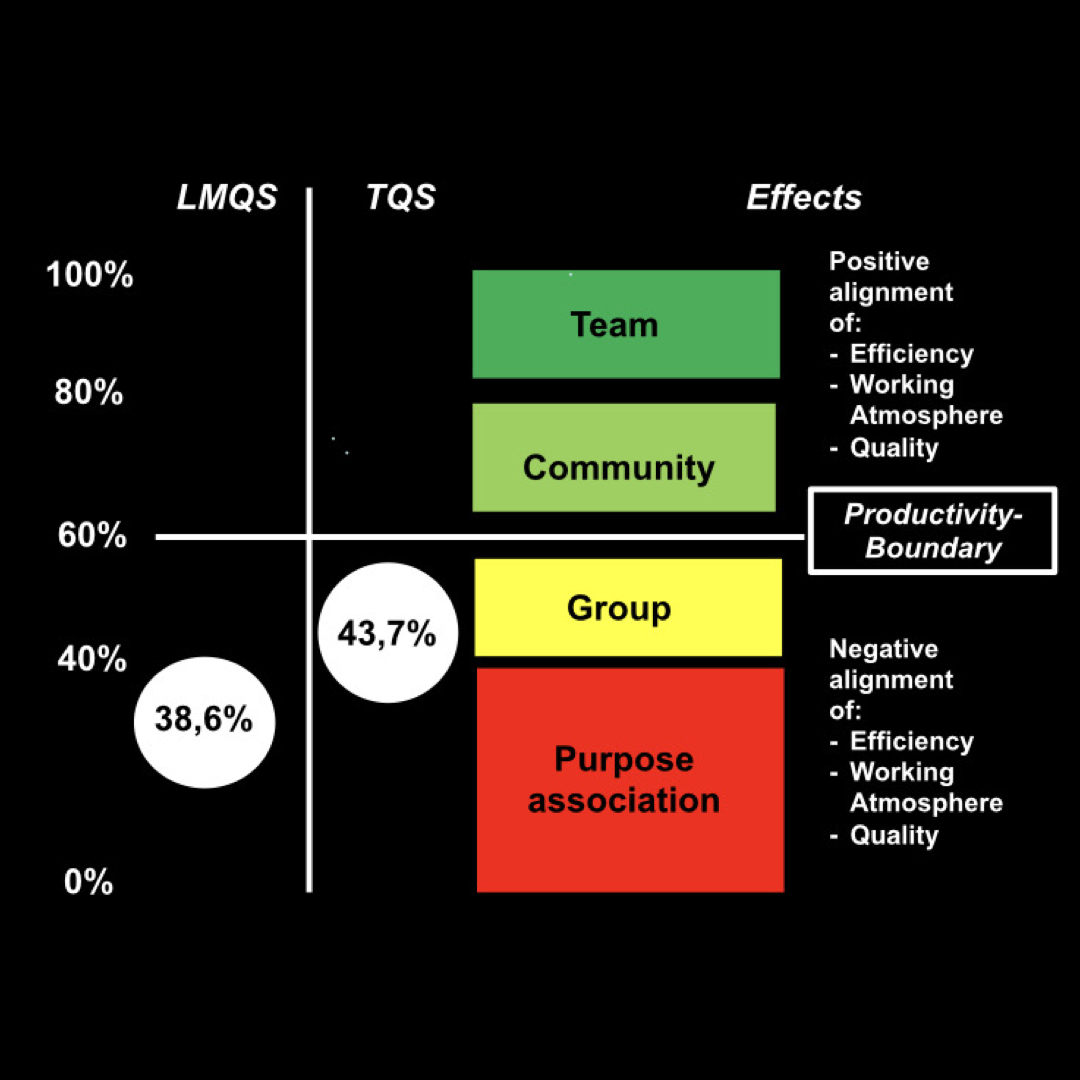
No term is used more frequently in the external presentation of medical practices, e.g. on websites, than the term “team”. But reality shows that in most practices there is no team-based cooperation at all. This has far-reaching negative effects on efficiency, productivity and quality of outcomes.
Continue reading “Strategic practice management: Teamwork – The underestimated success factor”
 R2049
R2049 