
Structural Reconstructions
Continue reading “Visibility Without Certainty: Mapping The Withholding Gaze”Visibility without certainty.

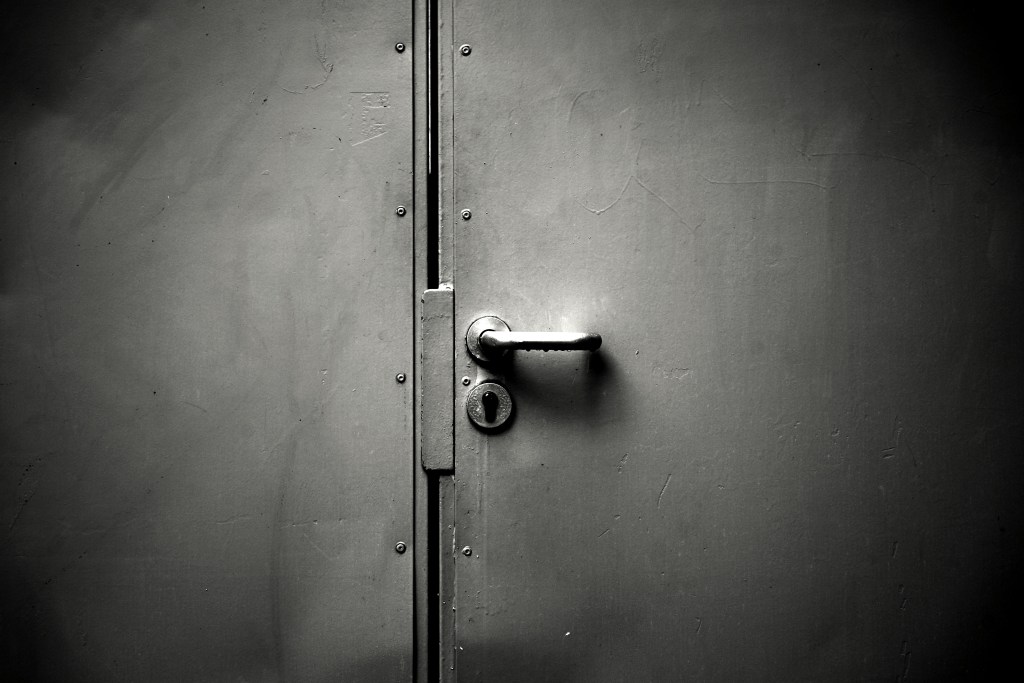
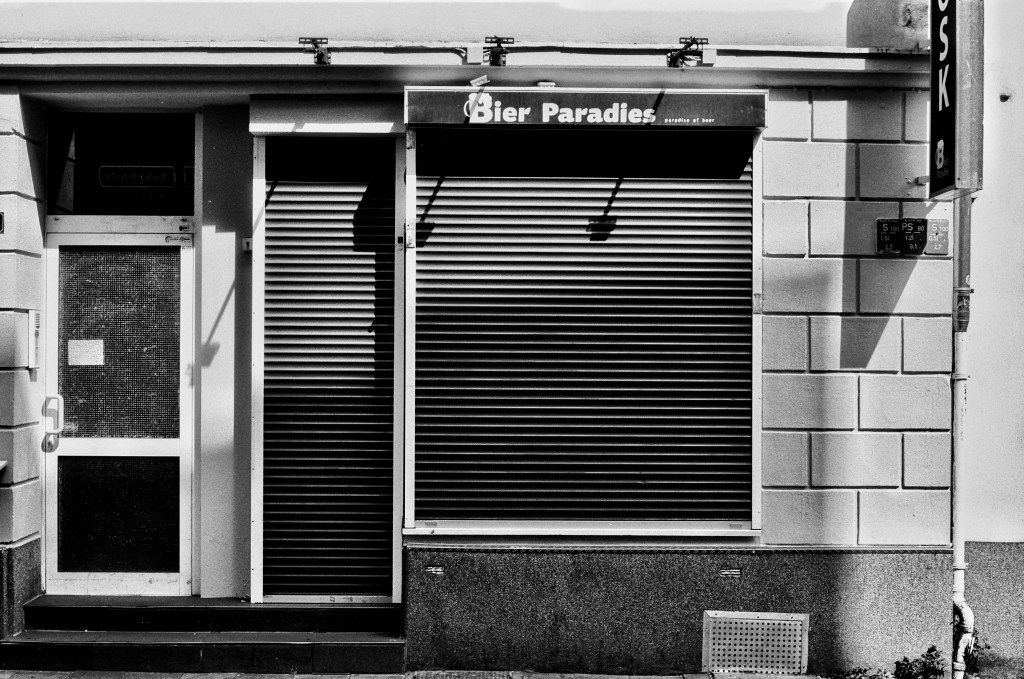
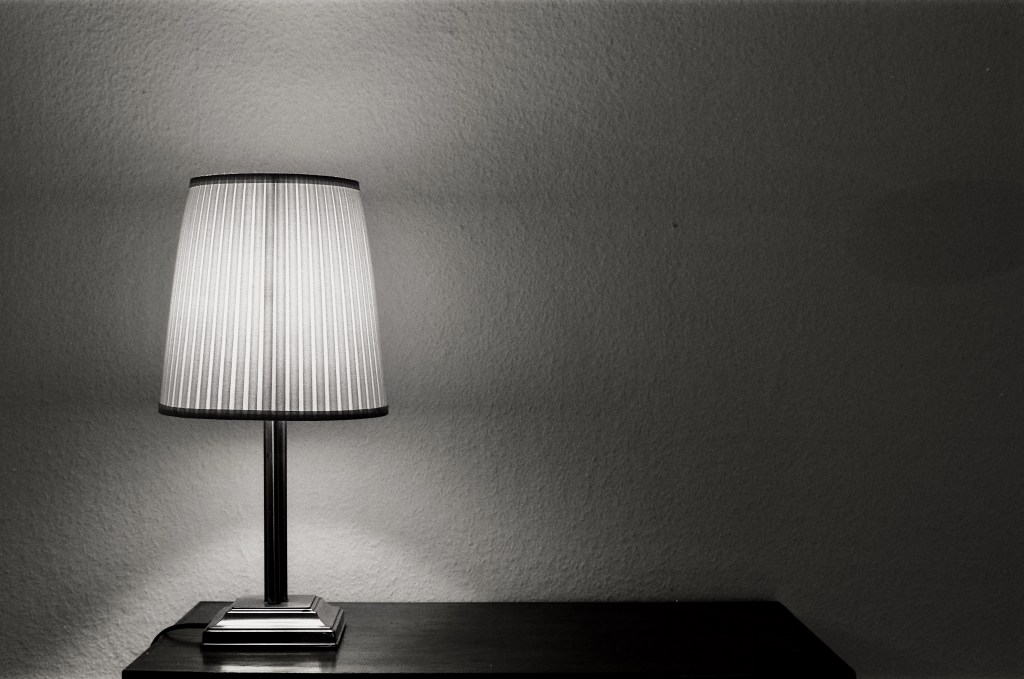
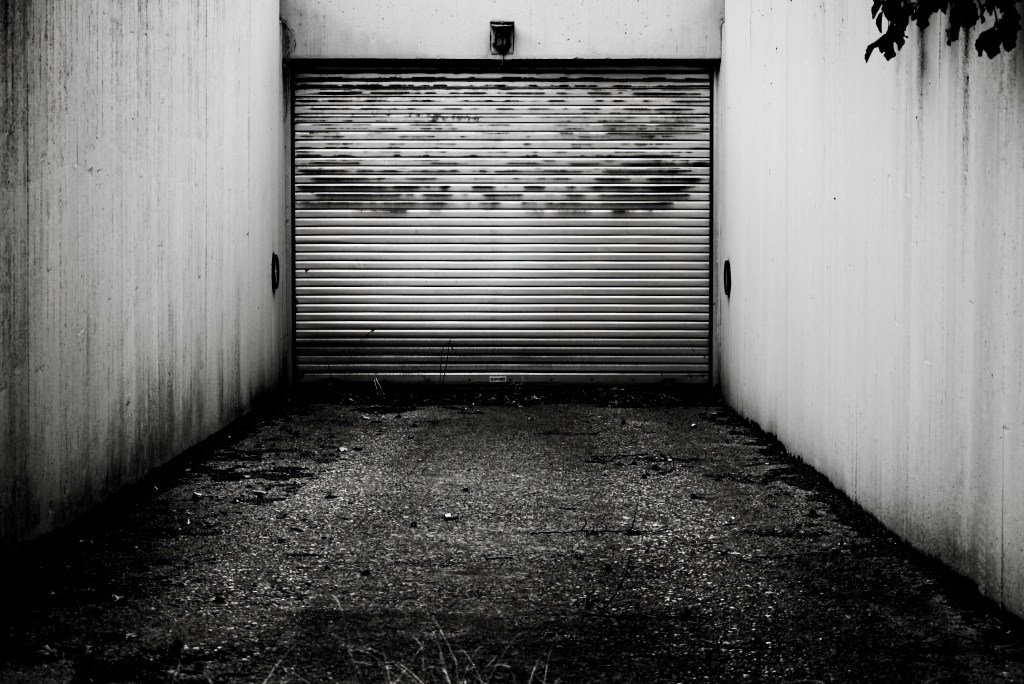
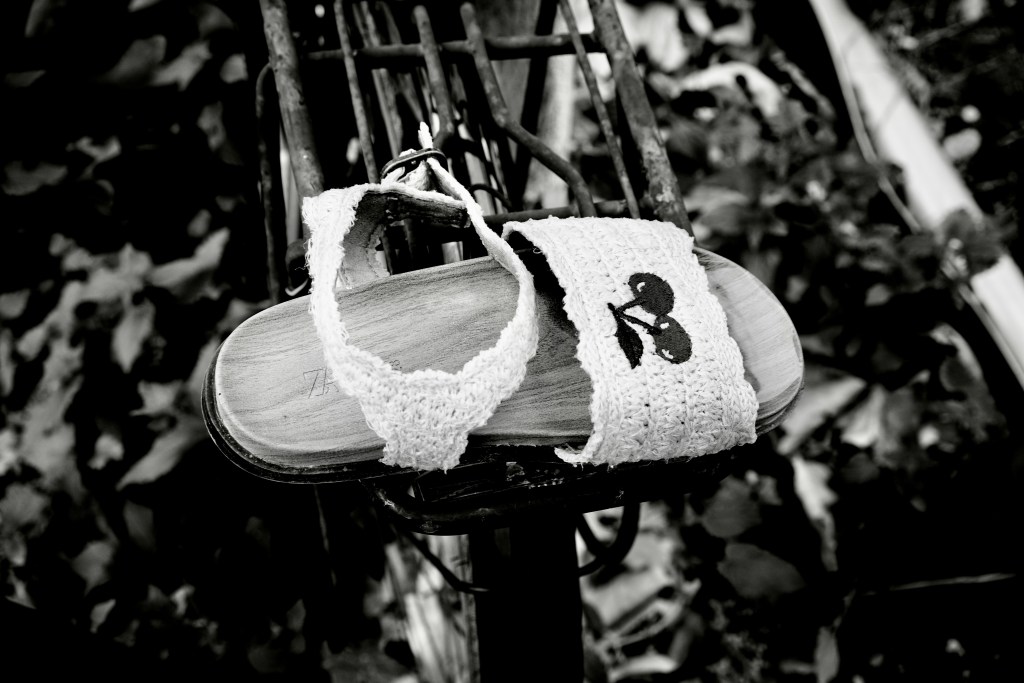

In Passing begins with a simple question: what happens in the brief interval between noticing something and deciding what it means?
Continue reading “IN PASSING – The Short Distance Between Seeing and Meaning”
Most photography begins with an intention. In Passing begins with openness. This article explores the difference between searching for photographs and remaining available to unexpected encounters. It argues that the most meaningful images often emerge not from pursuing a subject, but from allowing the ordinary world to interrupt us without warning.
Continue reading “Looking Without Searching”
This article introduces the central idea behind In Passing. It explores why some moments quietly become images while countless others disappear unnoticed, and why the origin of an image is found not in photography itself but in the brief interruption that precedes it. Rather than asking what deserves to be photographed, In Passing asks what quietly refuses to be passed by.
Continue reading “Before the Image Exists”
In Passing is not a photographic genre.
It is not defined by the camera, by a visual style, by a subject matter or by a technical process.
Photography is simply the medium through which the work becomes visible.
The project begins much earlier.
Continue reading “In Passing: A Profile”