The psychological principles and effects of timeblocking for managers

What it’s all about

Managers face the daily challenge of managing a multitude of tasks and commitments. In order to work effectively and efficiently in this demanding environment, the self-management principle of time blocking is a valuable strategy. Time blocking, also known as time blocking, means dividing the working day into specific blocks of time, each dedicated to a specific task or activity. This method is based on several psychological principles and creates effects that can have a positive influence on leadership behaviour.

Continue reading “The psychological principles and effects of timeblocking for managers”

The art of dialogue: Basic techniques for managers

What it’s all about

Effective communication plays a crucial role in the role of a manager. The way in which managers talk to their employees not only influences the working atmosphere, but also the motivation and productivity of the team. Regardless of the content of the conversation, there are basic techniques that managers should use to ensure open, respectful and productive communication.

Continue reading “The art of dialogue: Basic techniques for managers”

Dealing with excessive self-demand: A guide for managers

What it’s all about

Many managers have excessive expectations of themselves. This leads to stress, burnout and permanent dissatisfaction. The path from an unrealistically high level of expectations to a normality of demands on oneself is not easy, but it is necessary for long-term success and personal well-being. This article will explore how leaders can recognise their excessive expectations of themselves and reduce them to a healthy level.

Continue reading “Dealing with excessive self-demand: A guide for managers”

The power of attractiveness: Influences on the management of employees

What it’s all about

Attractiveness is a concept that finds meaning in many different ways and contexts. It ranges from physical attraction and emotional attraction to intellectual and professional attraction. Attractiveness plays a central role in the management of employees, manifesting itself in various facets and can have far-reaching effects on the dynamics within a team and the success of an organisation. This paper examines the different dimensions of attractiveness and analyses their impact on leadership.

Continue reading “The power of attractiveness: Influences on the management of employees”

How a new manager quickly builds credibility and respect in the team

What it’s all about

One of the biggest challenges for any new manager is to build trust and respect with an existing team in the shortest possible time. Trust is the foundation for effective collaboration and successful leadership. Without trust, even the most talented team cannot realise its full potential. This article explains how a newly appointed leader can quickly build trust using psychological techniques, best practices and practical tips.

Continue reading “How a new manager quickly builds credibility and respect in the team”

Acting coaching for managers: A sensible investment in modern leadership skills?

What it’s all about

There are a variety of ways for managers to improve their skills and strengthen their leadership qualities. One interesting and increasingly popular method is acting coaching, which aims to integrate acting techniques into everyday leadership. But does it really make sense for a manager to utilise this unusual form of coaching, and what impact does it have on authenticity and confidence?

Continue reading “Acting coaching for managers: A sensible investment in modern leadership skills?”

The five most common thinking errors made by managers and their psychological backgrounds

What it’s all about

Every day, managers are faced with a multitude of decisions that significantly influence the direction and success of their area of responsibility. However, despite their experience and expertise, they are not immune to cognitive biases and thinking errors that can negatively influence their decision-making. These often have deep-rooted psychological backgrounds that shape human thinking and behaviour. This article explains five of the most common thinking errors that managers make in their day-to-day work and the psychological mechanisms that underlie these errors.

Continue reading “The five most common thinking errors made by managers and their psychological backgrounds”

The situation analysis: A cornerstone for successful strategic thinking

What it’s all about

The ability to think strategically enables managers to realistically anticipate future situations and make well-founded decisions in order to achieve long-term goals. Situational awareness plays a decisive role as the first step in this process. A thorough situation analysis minimises risks, identifies opportunities and threats, prioritises goals, increases adaptability and improves clarity and communication. Decision-makers have a range of tools at their disposal to carry this out. These include SWOT analysis, PESTEL analysis, Porter’s five forces model, scenario analysis, value chain analysis, benchmarking, the balanced scorecard, stakeholder analysis and resource and capability analysis.

Continue reading “The situation analysis: A cornerstone for successful strategic thinking”

The importance of self-development for managers and the consequences of neglecting it

What it’s all about

Leadership self-development is the continuous process by which managers and executives develop their skills, knowledge and personality traits to meet the changing demands of the modern business world. This process is characterised by initiative and a desire to improve personal and professional skills. This includes learning new leadership styles, understanding market trends and developing a flexible mindset.

Continue reading “The importance of self-development for managers and the consequences of neglecting it”

Future Skills: Positive leadership as a model for success

What it’s all about

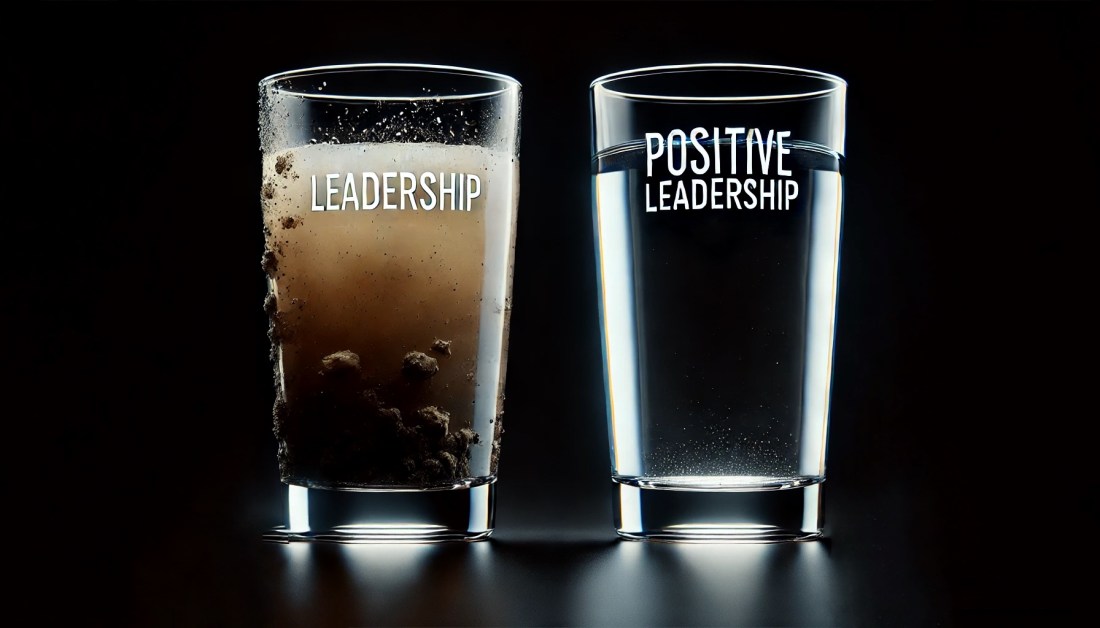
Positive leadership is increasingly gaining acceptance as the preferred leadership approach, as it clearly sets itself apart from traditional leadership methods. This approach emphasizes a strengths orientation, the promotion of positive emotions, a sense of purpose, relationship orientation, performance recognition and a holistic approach. These principles, which are based on scientific findings from positive psychology, have been proven to have positive effects on health, satisfaction and corporate success.

Continue reading “Future Skills: Positive leadership as a model for success”