This Rethinking Impulse explores the profound role of collegiality as a cornerstone of ethical, psychological, and leadership practices in fostering trust, innovation, and resilience in modern organisations.
“True collegiality: Strength through respect, trust, and constructive diversity. Leadership begins with understanding.”
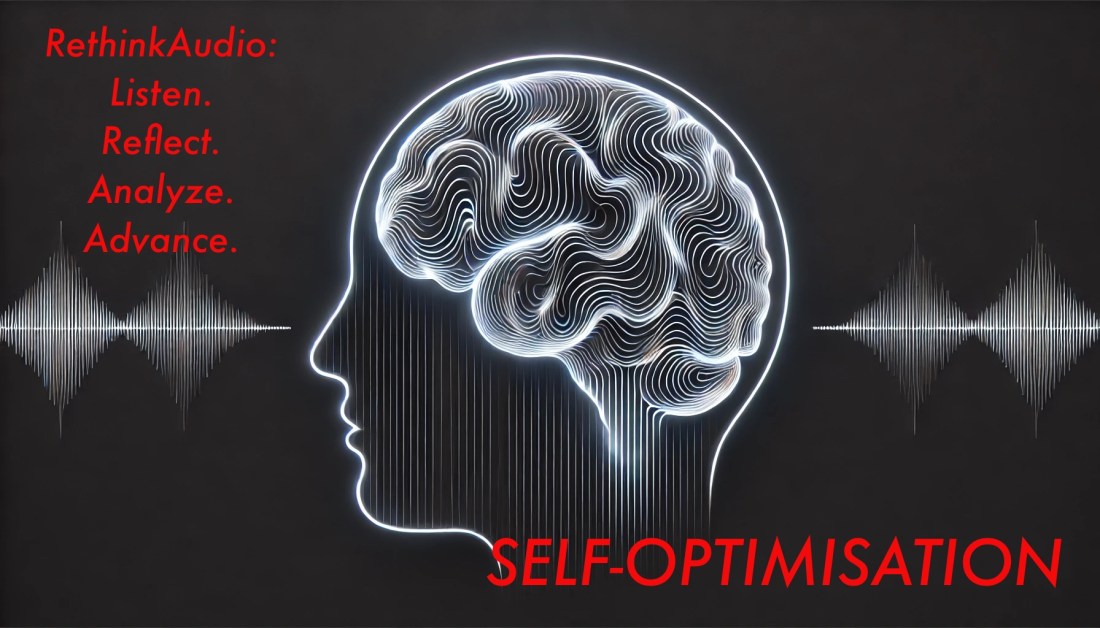
The Rethinking Impulse as a RethinkAudio – Listen. Reflect. Analyze. Advance.
Introduction: The Role of Collegiality in Modern Leadership
At first glance, collegiality may appear to be a straightforward concept, yet it harbours layers of profound significance that extend far beyond the superficial idea of collaboration. For leaders, understanding and embedding collegiality into their leadership approach is pivotal, as it not only shapes the dynamics within a team but also plays a critical role in determining the long-term success of an organisation. In an ever-evolving professional landscape, increasingly characterised by digitalisation and innovative work models, collegiality assumes a central role as a cornerstone of effective leadership.
“Step back, reflect deeply, and shape your future with purpose.”
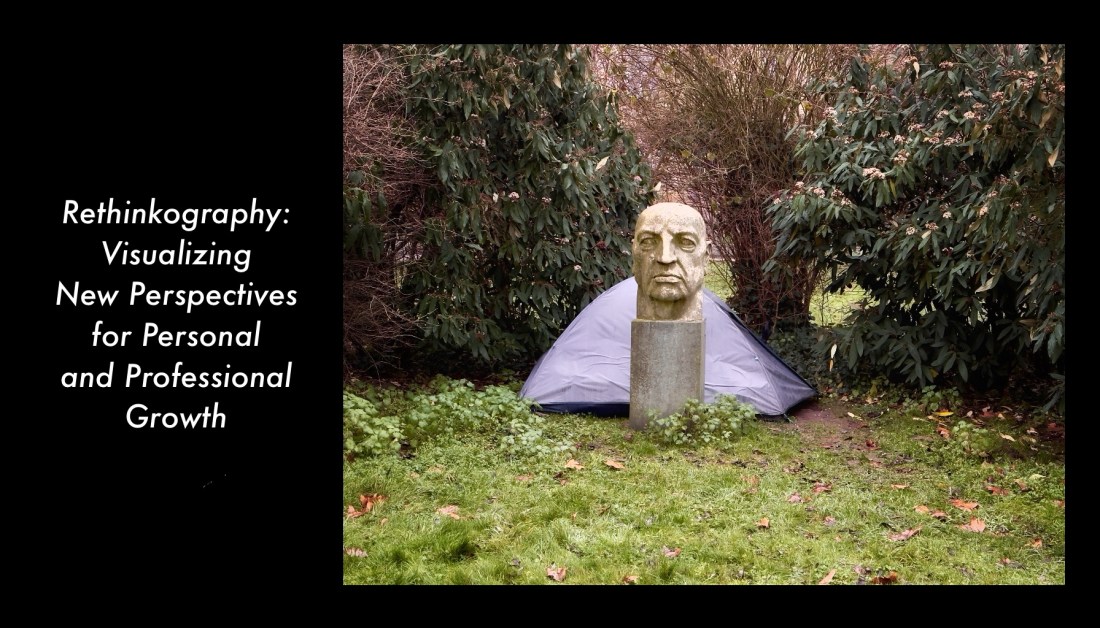
The Metaphor: The Tent Behind the Bust – Self-Management as a Balance of Inner and Outer Worlds
The image of a tent discreetly positioned behind a bust in a park serves as a profound metaphor for self-management. The bust represents the external self – our persona, achievements, and identity as perceived by the world. The tent, on the other hand, symbolises the inner sanctuary where our authentic thoughts, values, and unresolved questions reside. It offers shelter, flexibility, and the necessary distance to preserve what is truly essential. Meanwhile, the park symbolises life itself – the context in which our outer and inner selves coexist and interact.
This Rethinking Impulse explores the transformative power of authentic persuasion, challenging misconceptions and highlighting its role in fostering connection, empathy, and ethical communication.
A Rethinking Impulse by Klaus-Dieter Thill, originating from the Base Hill section „Empowering Your Life for Lasting Fulfilment“. Base Hill is part of „The Hill of Rethinking“, a knowledge sharing platform that enables individuals to shape their present and future.
The Rethinking Impulse as a RethinkAudio – Listen. Reflect. Analyze. Advance.
Misconceptions and Toxic Notions about Persuasion
Persuasion is frequently misconstrued as a manipulative skill – a tool for advancing one’s own interests irrespective of the perspectives and needs of others. This misunderstanding is deeply entrenched in our cultural fabric. Many perceive persuasion as synonymous with vocal dominance or rhetorical prowess. Equally pervasive is the toxic belief that only charismatic or extroverted individuals possess the capacity to persuade. Another common fallacy is that persuasion is confined to professional domains, such as leadership, sales, or politics, while holding little relevance in private life.
“Wholeness emerges when every fragment finds its place.”
The Metaphor of the Image: Fragility and Potential in Self-Management
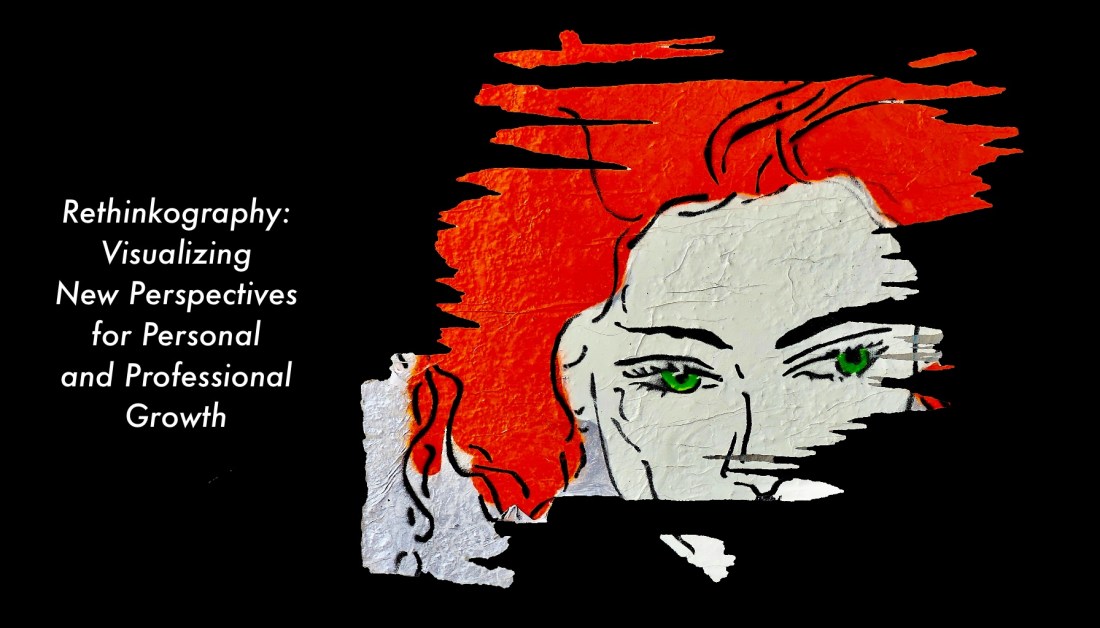
The cover image – a drawing of a woman’s face, affixed on a paper to a wall and partially torn – serves as a profound metaphor for the human condition: incomplete, vulnerable, yet brimming with potential. It reflects the fragmentation that arises from inner conflicts, external pressures, or a lack of self-reflection. This metaphor encapsulates the domain of identity design and personality integration in self-management, where the aim is to acknowledge fractured or hidden aspects of the self and consciously weave them into a coherent whole.
Die Essenz unternehmerischer Eigenverantwortung in der ärztlichen Praxis
Unternehmerische Eigenverantwortung ist weit mehr als ein abstrakter Begriff. Sie bildet das Rückgrat jeder erfolgreichen ärztlichen Tätigkeit in der freien Praxis. In diesem Kontext trägt der Arzt nicht nur die medizinische Verantwortung für seine Patienten, sondern übernimmt zugleich die Rolle eines strategischen Gestalters. Diese Verantwortung erfordert ein tiefes Verständnis für die ökonomischen, organisatorischen und personellen Herausforderungen, denen sich eine moderne Praxis stellen muss.
This Rethinking Impulse explores how leaders can transform the toxic pursuit of self-optimisation into a path of authentic growth, balance, and sustainable excellence through reflection, analysis, and actionable change.
A Rethinking Impulse by Klaus-Dieter Thill from Leaders Hill: „Healthy Leadership – Sustainable Results through Mental, Organisational, and Social Balance.“ Leaders Hill is part of „The Hill of Rethinking“, a knowledge sharing platform that empowers individuals to shape their present and future while offering leaders tools for personal and professional growth.
The Rethinking Impulse as a RethinkAudio – Listen. Reflect. Analyze. Advance.
Misconceptions, Misinterpretations, and Toxic Mindsets Surrounding Self-Optimisation
Self-optimisation, a term that has gained widespread traction over recent decades, has evolved into a kind of modern creed. Yet, like any prevailing ideology, it carries inherent risks, particularly when rooted in misconceptions and distorted ideals. Many leaders fall prey to toxic mindsets that misconstrue self-optimisation as an unrelenting, and often hollow, pursuit of self-perfection. A pervasive fallacy suggests that only those who perpetually increase their performance can thrive in an ever-changing world. Such a belief disregards the finite nature of human resources, creating a culture steeped in perfectionism, overwork, and the erosion of inner balance.
“I embrace my inner scream, freeing it from the frame of limitation, and I harness its message to craft a life of autonomy and purpose.”
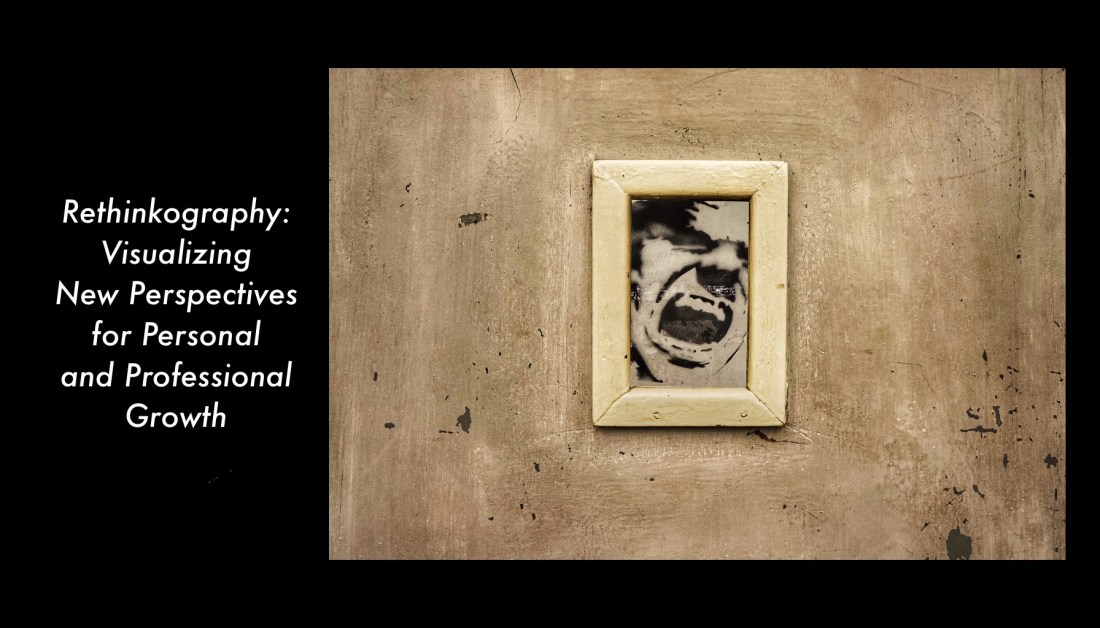
The Metaphor of the Scream Behind the Frame
The image portrays a scream, encapsulated and confined within a rigid, limiting frame. This artwork stands as a powerful metaphor for the inner outcry that many experience in the realm of self-management: the yearning to break free from constraining mindsets, repressive emotions, or entrenched societal roles. The frame symbolises the self-imposed or socially enforced boundaries that stifle authentic expression.