The art of balance: Why managers should familiarise themselves with the principles of Feng Shui

What it’s all about

Feng Shui, literally translated as “wind and water”, is an ancient Chinese practice that focuses on harmonising individuals with their surroundings. This philosophy, which originated over 3,000 years ago, is based on the idea that the arrangement and design of spaces can influence the flow of energy, also known as chi. Feng Shui looks at both the physical environment and the energetic dynamics and aims to create a balance between the two. In an office, Feng Shui helps to create an atmosphere that promotes productivity and well-being by aiming for harmonious alignment of furniture, colours and decorations.

Continue reading “The art of balance: Why managers should familiarise themselves with the principles of Feng Shui” →

The psychology of self-presentation: Reflections on the presence of managers in social media

What it’s all about

In the modern workplace, the way leaders communicate and present themselves has changed dramatically. With the advent of social media, leaders have discovered new platforms to spread their messages, strengthen their brand and engage with different audiences. This development is not only a technological advancement, but also deeply rooted in psychological mechanisms. In this article, we explore why leaders are increasingly using social media and the psychological factors at play.

Continue reading “The psychology of self-presentation: Reflections on the presence of managers in social media” →

The timeless relevance of Aristotelian virtue ethics in modern leadership

What it’s all about

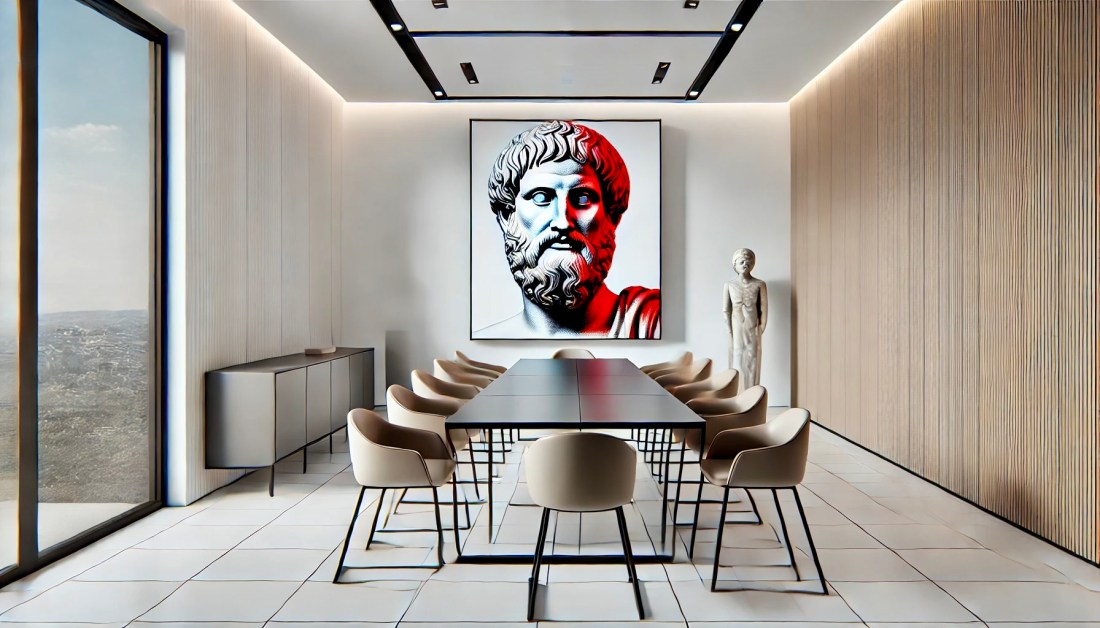
Aristotle’s ethics of virtue, which has inspired philosophers, theologians and leaders for over two thousand years, remains a foundation of ethical reflection and practical application. In a rapidly changing world, the question may arise as to whether such ancient principles are still relevant. However, Aristotle’s focus on character development, virtue and the pursuit of the “good life” proves to be a timeless guide for responsible leaders seeking guidance both today and in the future.

Continue reading “The timeless relevance of Aristotelian virtue ethics in modern leadership” →

The psychological principles and effects of timeblocking for managers

What it’s all about

Managers face the daily challenge of managing a multitude of tasks and commitments. In order to work effectively and efficiently in this demanding environment, the self-management principle of time blocking is a valuable strategy. Time blocking, also known as time blocking, means dividing the working day into specific blocks of time, each dedicated to a specific task or activity. This method is based on several psychological principles and creates effects that can have a positive influence on leadership behaviour.

Continue reading “The psychological principles and effects of timeblocking for managers” →

The art of dialogue: Basic techniques for managers

What it’s all about

Effective communication plays a crucial role in the role of a manager. The way in which managers talk to their employees not only influences the working atmosphere, but also the motivation and productivity of the team. Regardless of the content of the conversation, there are basic techniques that managers should use to ensure open, respectful and productive communication.

Continue reading “The art of dialogue: Basic techniques for managers” →

Key Performance Indikatoren (KPI): Die intelligenten Partner für zukunftsorientierte Praxisführung – Beispiel: Der Planning Scope KPI

➡️ Der Begriff “Planung” beschreibt die zukunftsgerichtete, systematische Ausrichtung der Praxisführung im Bereich der strategische Planung und Zielsetzung, der Organisationsentwicklung und Effizienz, der Mitarbeiterentwicklung und des Ressourcen-Managements.

Continue reading “Key Performance Indikatoren (KPI): Die intelligenten Partner für zukunftsorientierte Praxisführung – Beispiel: Der Planning Scope KPI” →

Futurized Skills in leadership

What it’s all about

The demands on leaders have expanded significantly over time and, taking current developments into account, require a new set of skills known as “futurized skills”. These future-oriented skills are crucial to operating successfully in a dynamic, digital and globalised working environment. This article looks at what is meant by futurised skills and why they are essential for the leaders of tomorrow.

Continue reading “Futurized Skills in leadership” →

Systemische Fragen: Ein Schlüssel zur effektiven Mitarbeiter-Kommunikation in Haus- und Facharztpraxen

Worum es geht

In Arztpraxen spielt die interne Kommunikation zwischen Praxis-Leitung und den Mitarbeitenden eine zentrale Rolle. Systemische Fragen bieten in diesem Kontext eine besonders wirkungsvolle Methode, um das tiefere Verständnis von Zusammenhängen zu fördern, neue Perspektiven zu ermöglichen und die Selbstverantwortung der Mitarbeitenden zu stärken. Aber was genau sind systemische Fragen, welche Arten von Fragen gibt es und wie lassen sie sich im Praxisalltag sinnvoll einsetzen?

Continue reading “Systemische Fragen: Ein Schlüssel zur effektiven Mitarbeiter-Kommunikation in Haus- und Facharztpraxen” →

Charisma in leadership: Must-have or nice-to-have?

What it’s all about

Charisma is a term that is often quoted but not always clearly defined, especially in the context of leadership and management. Charismatic leaders seem to have a special charisma and an ability to inspire and motivate those around them. This article highlights the specific characteristics that characterise a charismatic leader.

Continue reading “Charisma in leadership: Must-have or nice-to-have?” →

The vicious circle of externalisation in German outpatient care

What it’s all about

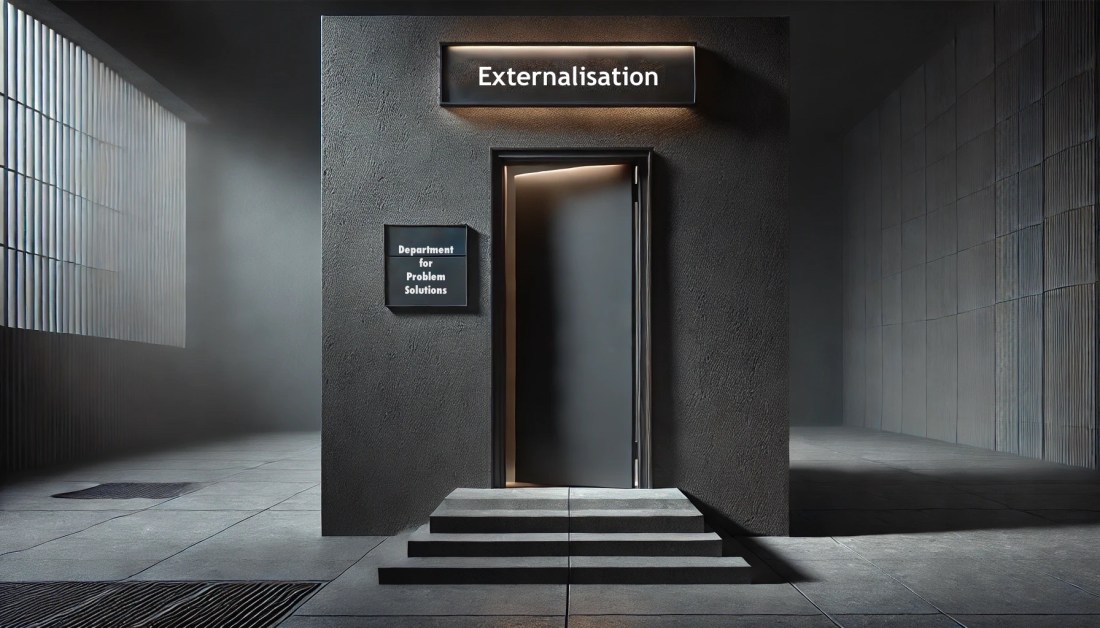
In outpatient care in Germany, the trend has manifested itself of attributing problems that affect general practitioners and specialists in private practice monocausally to external factors such as bureaucratisation, digitalisation or a shortage of specialists. This externalisation of problem solutions, often accompanied by a monocausal argument, has numerous negative effects on the development of progress in outpatient patient care.

Continue reading “The vicious circle of externalisation in German outpatient care” →