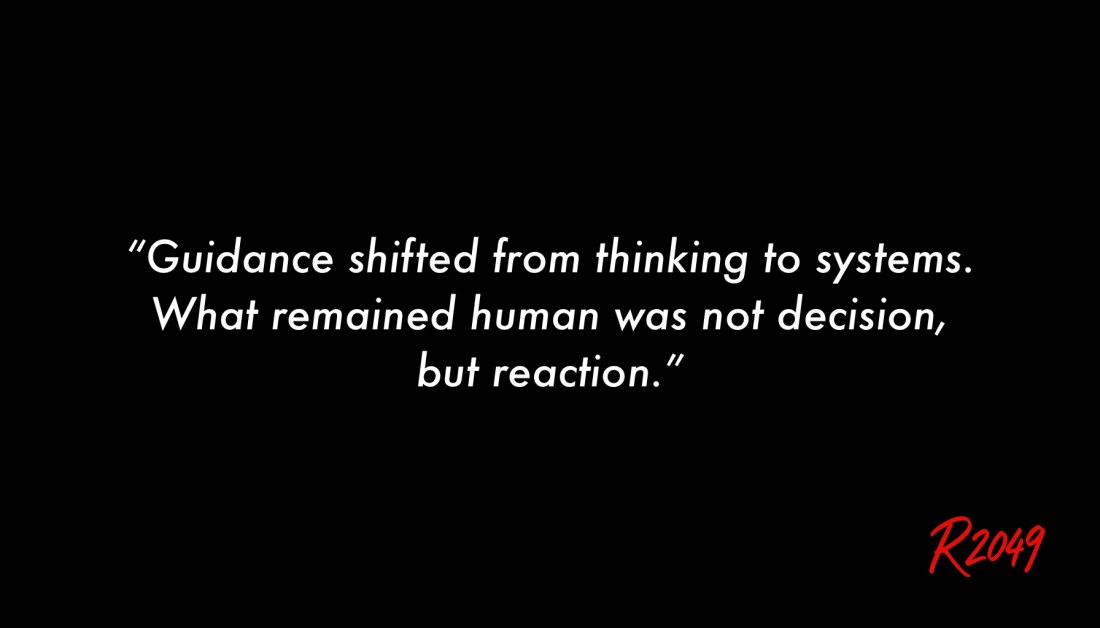
Structiography Manifest: Training Structural Perception

Summary

Structiography is not a photographic genre.

It is a discipline for developing structural perception.

Using photographs as observational training environments, Structiography helps people recognise the conditions, dependencies, sequences, relationships and invisible architectures that shape human systems. Its purpose is not to create images, but to cultivate Structural Literacy — the ability to perceive the structures that produce observable reality.

Continue reading “Structiography Manifest: Training Structural Perception” →
Inner Calm Was an Infrastructure Problem · R2049 · Aurelius Reconstructions · Entry 2

Intro

This reconstruction from the R2049 archives examines why Stoic calm emerged not primarily as philosophy, but as a compensatory response to unstable coordination systems inside the Roman Empire. Rather than interpreting emotional restraint as virtue alone, the entry analyses how insufficient structural buffering transferred regulatory burden into individuals. Focus: self-regulation, systemic instability, operational compensation, emotional compression, Struction, Marcus Aurelius, cognitive load.

Continue reading “Inner Calm Was an Infrastructure Problem · R2049 · Aurelius Reconstructions · Entry 2” →

The Emperor Never Logged Off · R2049 · Aurelius Reconstructions

Intro

This reconstruction examines how continuous decision exposure shaped the cognitive architecture surrounding Marcus Aurelius and late imperial coordination systems. Rather than interpreting Stoicism as philosophy or personal virtue, the entry reconstructs it as a structural stabilisation mechanism under conditions of sustained operational pressure. Focus: decision density, imperial coordination, structural load, self-regulation, cognitive compression, Struction.

Continue reading “The Emperor Never Logged Off · R2049 · Aurelius Reconstructions” →

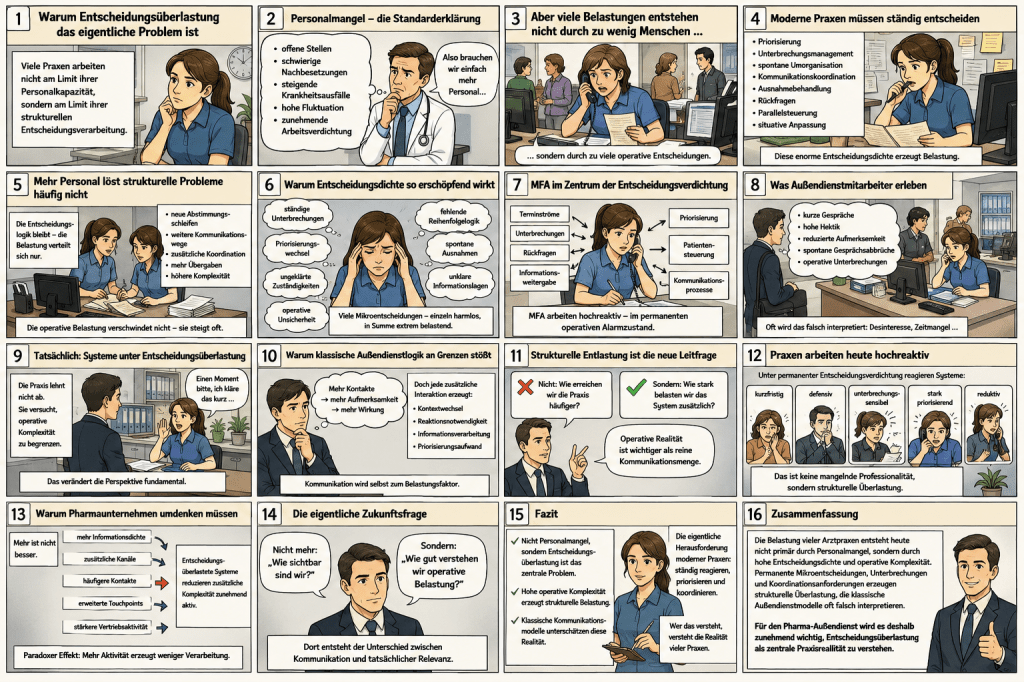
Strukturwissen für den Pharma-Außendienst: Warum Gesprächsqualität wichtiger wird als Besuchsfrequenz

Intro

Dieser Fachbeitrag analysiert, warum die klassische Logik hoher Besuchsfrequenzen im Pharma-Außendienst zunehmend an Wirkung verliert. Im Fokus stehen die Zusammenhänge zwischen Praxisbelastung, Informationsdichte, Gesprächsqualität, struktureller Aufnahmefähigkeit und operativer Relevanz.

Der Beitrag zeigt, weshalb viele Arztpraxen unter hoher Entscheidungsdichte nicht primär mehr Kontakte benötigen, sondern relevantere Interaktionen — und warum sich die strategische Bedeutung des Außendienstes dadurch grundlegend verändert.

Continue reading “Strukturwissen für den Pharma-Außendienst: Warum Gesprächsqualität wichtiger wird als Besuchsfrequenz” →