Mastering the medical mindshift: The anti-Eris strategy

Data, facts and instruments on the German health system

What it’s about

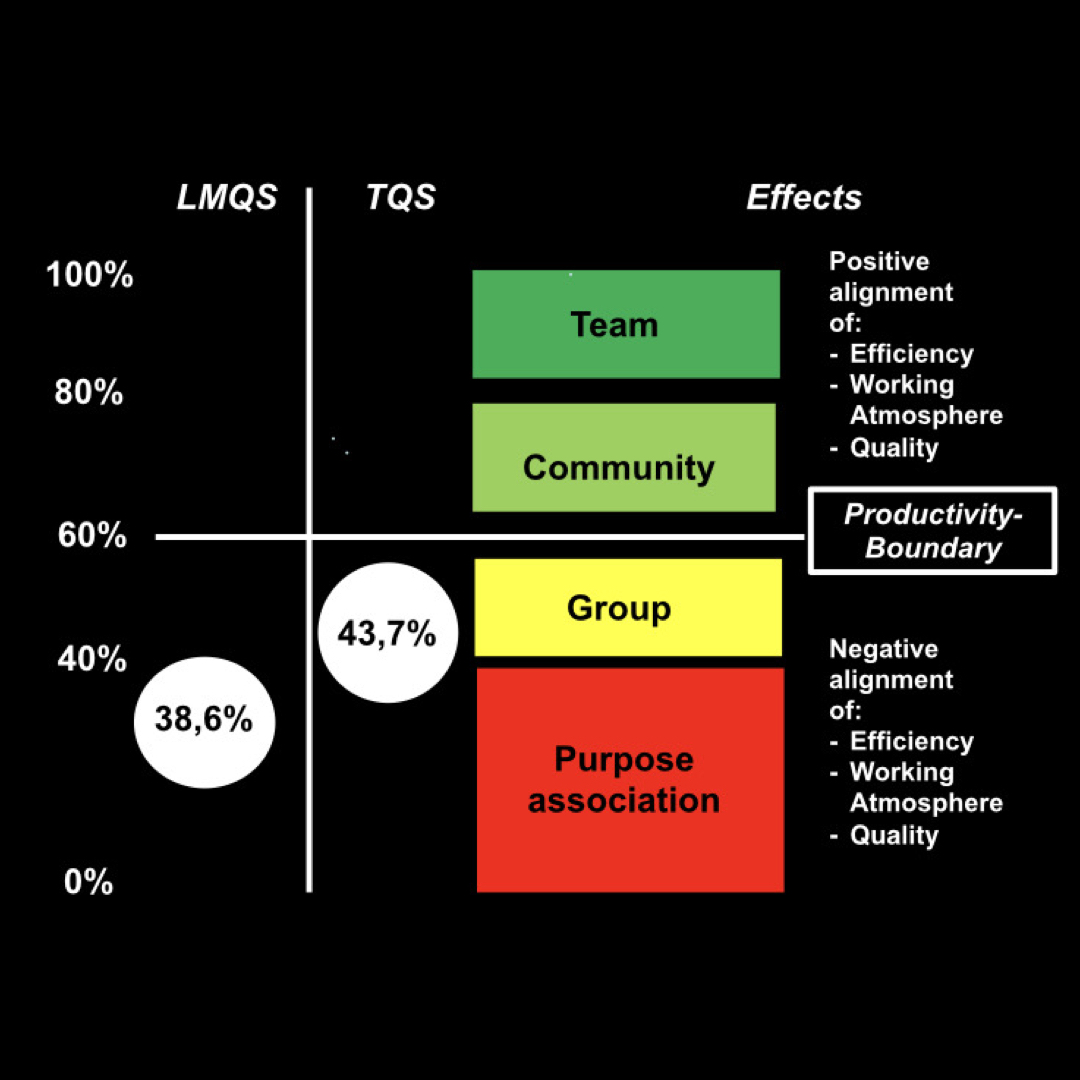
Conflicts between medical professionals have fundamentally destructive effects on the quality of care and work of GP and specialist practices and are detrimental to the overall success of the practice, especially if they remain unresolved for a longer period of time. The entrepreneurial owners of high-performance practices (HPPs) therefore see conflict prevention and curation as their personal task and take care of the issue professionally, both preventively and curatively. With them, Eris, the goddess of conflict in Greek mythology, has little chance of success.

Continue reading “Mastering the medical mindshift: The anti-Eris strategy” →

Mastering the medical mindshift: Das Etikett „schwieriger Patient“ entsteht vor allem durch mangelnde Kommunikations-Fähigkeiten

Worum es geht

Jeder Arzt und jede Medizinische Fachangestellte kennt die kleinen Negativ-Ereignisse, die in größerem oder kleinerem Umfang den Praxisalltag durchziehen. Oft hängen sie mit Patienten zusammen, die dann als „schwierig“ bezeichnet werden und mit denen dieser Makel für immer verbunden ist. Doch die Bewertung erfolgt häufig vorschnell und das eigentliche Problem liegt auf einer ganz anderen Ebene. Sich dessen bewußt zu sein und gegenzusteuern kann die Arbeitsqualität entscheidend verbessern.

Continue reading “Mastering the medical mindshift: Das Etikett „schwieriger Patient“ entsteht vor allem durch mangelnde Kommunikations-Fähigkeiten” →

Mastering the medical mindshift: Why leadership is so important

Data, facts and instruments on the German health system

What it’s all about

Many established practice owners are convinced that, due to their size, they do not need any special leadership measures, since the interaction of the staff results natively from the tasks to be done and the staff already know how to help themselves when problems and questions arise. A serious mistake.

Continue reading “Mastering the medical mindshift: Why leadership is so important” →

Mastering the medical mindshift: deficits in practice organisation are primarily a problem of personnel management

Data, facts and instruments on the German health system

What it’s all about

Excessive waiting times, uncoordinated procedures, poor telephone accessibility, hectic consultations with doctors – deficits in practice organisation are the number one point of criticism when patients are asked about their satisfaction with medical practices. are asked. Doctors and staff are also negatively affected. About 2/3 of the problems identified in practice analyses come from the area of organisational design. Doctors and their staff also suffer from this stress, anger and demotivation are the consequences of unresolved organisational deficits.

Continue reading “Mastering the medical mindshift: deficits in practice organisation are primarily a problem of personnel management” →

Organisation in der Arztpraxis: 50 Sekunden sind nicht das Problem

Worum es geht

Im Vergleich benötigt die Erstellung einer elektronischen Arbeitsunfähigkeits-Bescheinigung (eAU) 50 Sekunden mehr Zeit als die Abwicklung über den „klassischen Weg“. Haus- und Fachärzte erachten diesen organisatorischen Mehraufwand als deutliches Hemmnis für ihre Produktivität. Doch das eigentliche Problem liegt in einem anderen Bereich.

Continue reading “Organisation in der Arztpraxis: 50 Sekunden sind nicht das Problem” →

Mastering the medical mindshift: Professional practice management is always business-based

Data, facts and instruments on the German health system

What it’s all about

Physicians in private practice have a distant to negative relationship to the term “business management”. Ignorance and prejudice are mainly responsible for this. But this attitude means that important tools that can acutely improve patient care, ensure the flexibility needed for transformation in the medium term and secure the success of the practice in the long term are not used.

Continue reading “Mastering the medical mindshift: Professional practice management is always business-based” →