Worum es geht
Undiplomatisch, ungeschickt, abweisend, toxisch: Die Formulierung “Ja, aber…” ist wohl die am häufigsten in Arzt-Patienten-Gesprächen eingesetzte „Killer-Phrase“.
Strukturion of Future Thinking
Undiplomatisch, ungeschickt, abweisend, toxisch: Die Formulierung “Ja, aber…” ist wohl die am häufigsten in Arzt-Patienten-Gesprächen eingesetzte „Killer-Phrase“.
Data, facts and instruments on the German health system
“Oh no, there’s Mr S. That’s a really difficult person.” These and similar thoughts run through the minds of many medical assistants in their everyday work. The label is given when practice visitors do not abide by rules, cross boundaries or break procedures, when they are annoying and provocative, aggressive and unsympathetic or when they complain.
Continue reading “Toxic Mindsets in Outpatient Medicine: “This is a difficult patient.””
Data, facts and instruments on the German health system
A recent study by the Bitkom umbrella organization shows that many patients are specifically looking for explanatory and further information on the Internet after their visits to the doctor. In addition to a fundamentally increased interest in health, medical professionals are responsible for this with patient conversations in Twitter format.
Continue reading “GP and specialist consultations: Are doctors driving their patients online?”
Die Ergebnisse aus Patientenbefragungen in Haus- und Facharztpraxen führen häufig zu falschen Reaktionen aufseiten der Praxis-Teams. Zwei Gründe sind hierfür verantwortlich.
Eine aktuelle Studie des Bitkom Dachverbandes zeigt, dass viele Patienten nach ihren Arztbesuchen im Internet gezielt nach erklärenden und weiterführenden Informationen suchen. Neben einem grundsätzlich gewachsenen Gesundheits-Interesse sind die Mediziner mit Patienten-Gesprächen im Twitter-Format hierfür verantwortlich.
Data, facts and instruments on the German health system
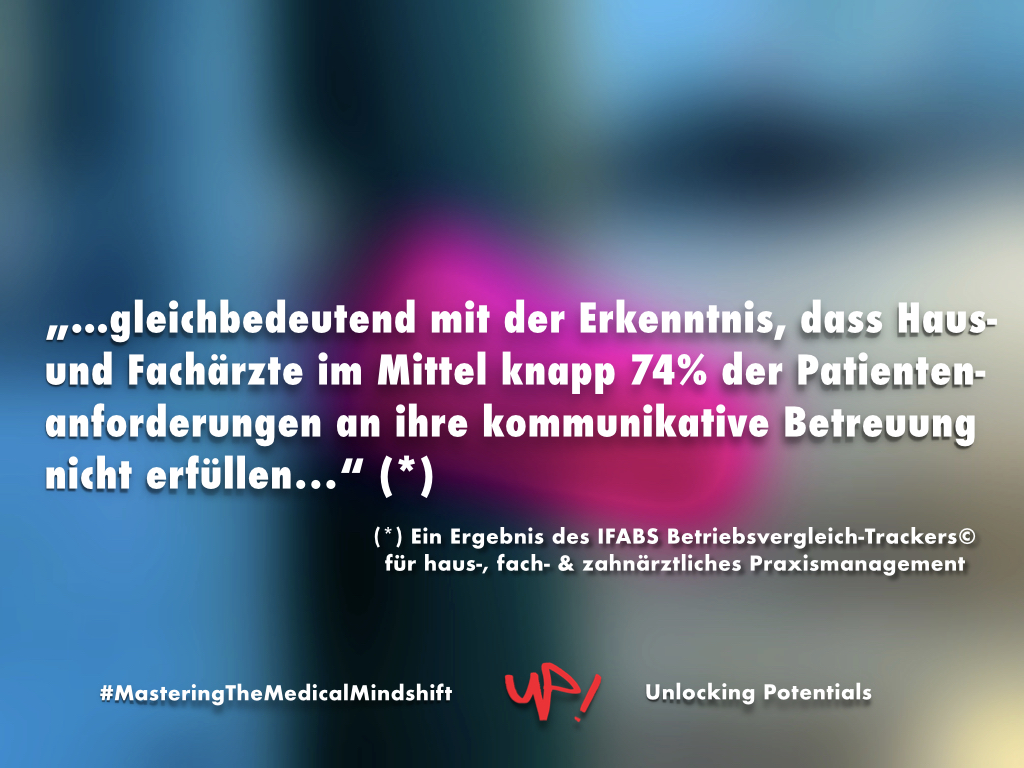
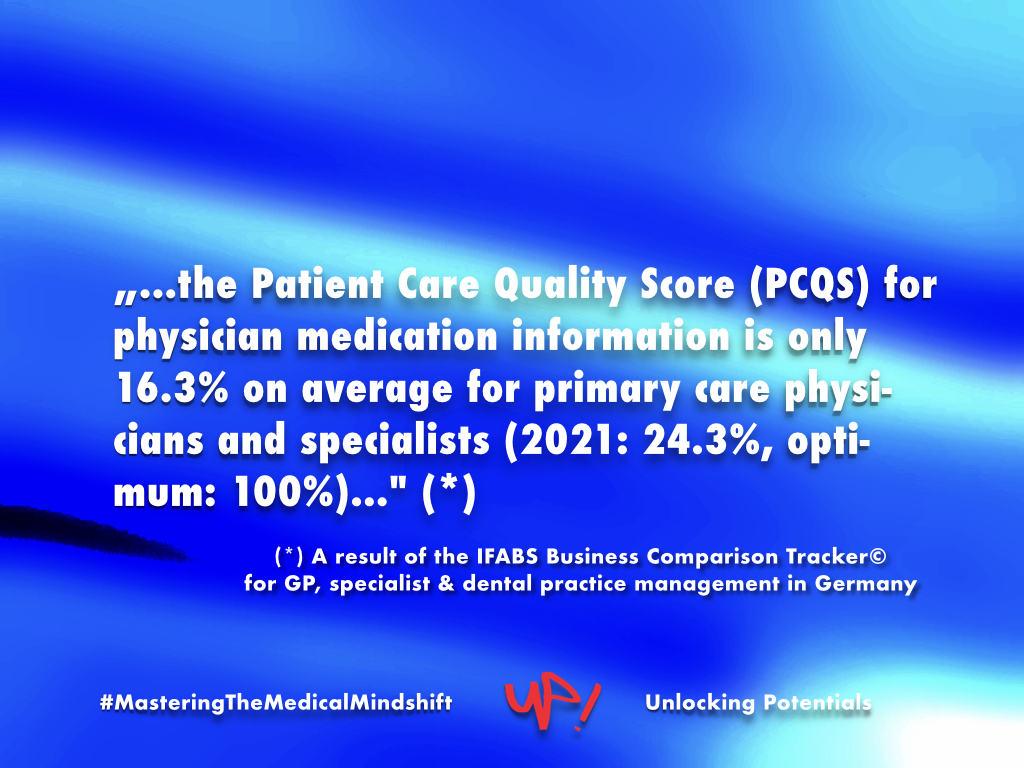
The IFABS Business Comparison Tracker© for general practitioner, specialist and dental practice management also records, among other things, the effects that practice owners achieve with their patient discussions on the impact side of practice management. For many physicians, the results determined here often lead to an almost shocking experience, as they have to recognize how inadequately their consultations are sometimes received by patients.
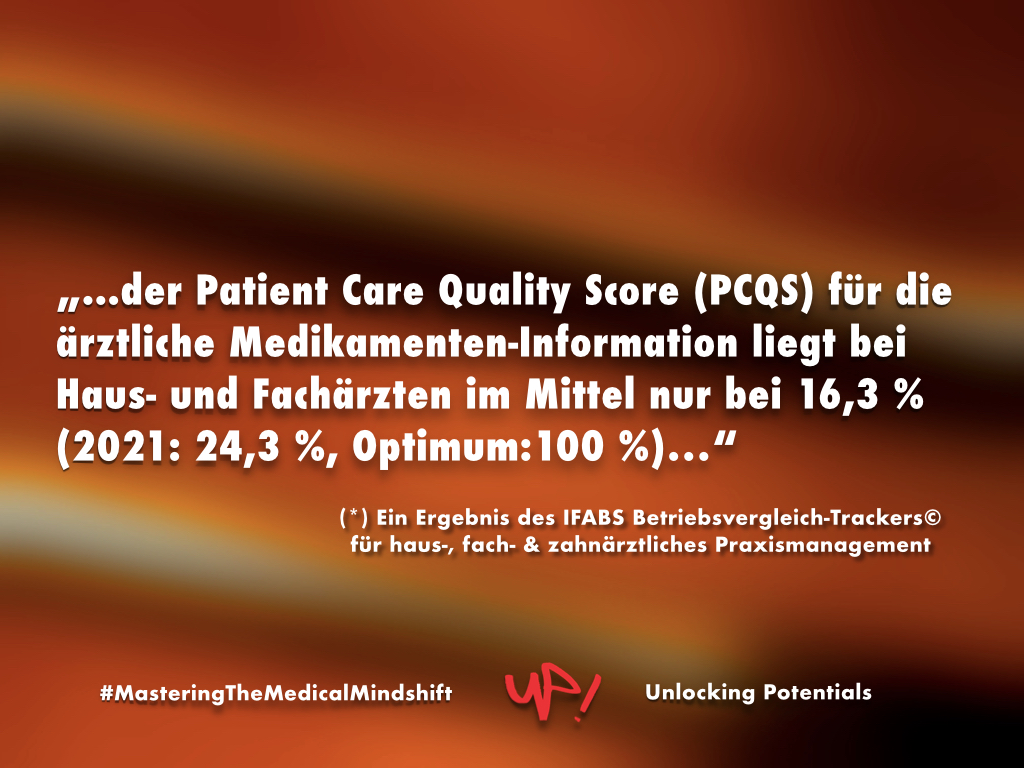
Der IFABS Betriebsvergleich-Tracker© für haus-, fach- und zahnärztliches Praxismanagement erfasst auf der Wirkungs-Seite der Praxisführung u. a. auch die Effekte, die Praxisinhaber mit ihren Patientengesprächen erzielen. Für viele Ärzte führen die hier ermittelten Resultate oft zu einer fast schockierenden Erfahrung, denn sie müssen erkennen, wie unzureichend ihre Beratungen teilweise bei den Patienten ankommen.
Data, facts and instruments on the German health system
Every doctor and every medical assistant knows the small negative events that, to a greater or lesser extent, pervade everyday practice. Often they are related to patients who are then labelled “difficult” and with whom this stigma is forever associated. But the assessment is often made hastily and the real problem lies at a completely different level. Being aware of this and taking countermeasures can decisively improve the quality of work.
Die Ergebnisse aus Patientenbefragungen in Haus- und Facharztpraxen führen häufig zu falschen Reaktionen aufseiten der Praxis-Teams, denn fehlerhafte Resultate führen zu falschen Schlüssen.
Bei der Messung der Patientenzufriedenheit liefert im Vergleich mit klassischen Verfahren wie der Schulnoten-Skalierung lediglich der Key Performance Indikator „Patient Care Quality Score (PCQS)“ ein realistisches Bild.
 R2049
R2049 